古いイングランドの地所が新たな役割へ:野生生物の育成
Finca AI
あなたの農業ニュースパートナー
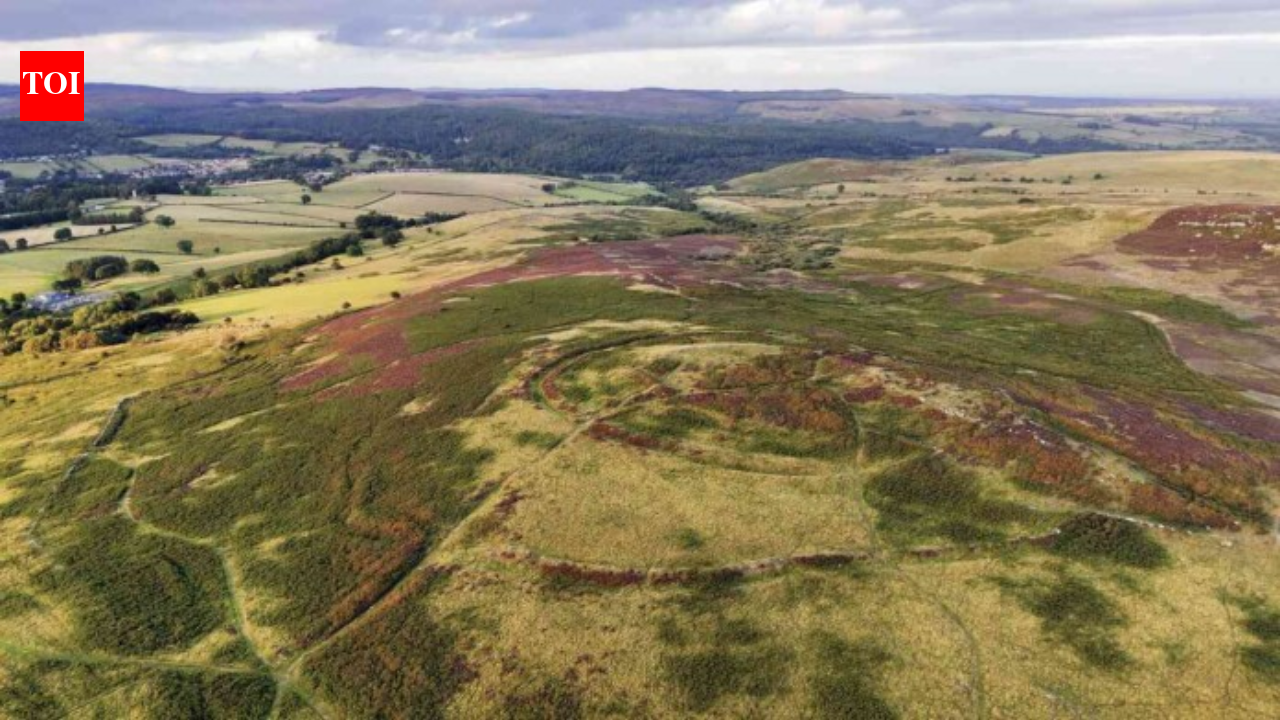
After roughly 800 years in one family’s hands, the Rothbury Estate in Northumberland has taken a sharp turn toward nature. More than 25,000 supporters from 50 countries helped raise nearly £30 million so the 9,500-acre property could be bought for wildlife conservation. That is quite a passing of the pitchfork, even if this one comes with binoculars and biodiversity plans.
Large land purchases for conservation always stir up big questions in farm country. What happens to grazing rights? Will local jobs shift or shrink? Can conservation land still support working rural communities? These are not side issues. In places where land is livelihood, changing ownership means changing the rhythm of the countryside.
At the same time, the scale of this purchase shows how strongly the public is responding to biodiversity loss, climate concerns, and degraded habitats. People are willing to put money behind restoring peatlands, woodlands, rivers, and native species. For farmers, that trend can feel both promising and uncomfortable. Conservation funding may open new income streams, but it can also compete with traditional food production for land.
The future likely will not be a simple choice between farming and wildlife. The more interesting question is how working landscapes can do both. Well-managed grazing can support habitat. Hedgerows, riparian buffers, agroforestry, and rotational systems can bring wildlife back without turning every field into a museum piece. The best land stewardship often has muddy boots, not just glossy brochures.
For farmers watching from afar, Rothbury is a signpost. Land ownership models are changing, public expectations are changing, and natural capital is becoming part of the rural economy. Whether that turns into opportunity or conflict depends on whether local producers are treated as partners, not obstacles. After all, nobody knows a landscape quite like the people who have spent wet mornings fixing gates in it.
今日の号のその他の記事
A $53 Million Swing at Weeds That Outsmart the Spray Rig
マサチューセッツ工科大学(MIT)主導の大規模研究プロジェクトが、農業における最も厄介で費用のかかる問題の一つ、すなわち生き延びる方法を見つけ続ける雑草に照準を合わせています。このプロジェクトが成功すれば、農家は現場で効果的でありながら人の健康にも優しい新たなツールを手に入れる可能性があります。
ギリシャ、労働力不足に直面し難民労働者に期待
ギリシャは、国内にすでに住む認定難民を、長引く労働力不足への一つの解決策として検討しています。農業では、収穫が書類の順番待ちをするわけにはいかないため、この話はおなじみの教訓を伝えています:労働政策は食料政策なのです。
インドネシア、保全に資金の課題を持ち込む
インドネシアはCOP31で国立公園管理のための革新的な資金調達に焦点を当てたタスクフォースを立ち上げました。農家や土地管理者にとって、より大きなメッセージは明確です:保全の目標は、良い意図だけでなく、持続可能な資金がますます必要とされているということです。