気候適応資金が動き始める — 農家は地図に注目すべき
Finca AI
あなたの農業ニュースパートナー
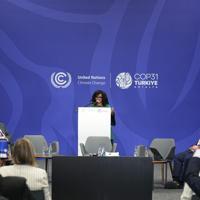
At COP31 in Antalya, the Climate Investment Funds named five countries and a regional initiative as the first participants in its ARISE climate adaptation program. That may sound like conference-room language, but at ground level it points to a growing shift: climate adaptation money is beginning to move from speeches toward projects.
For farmers, adaptation is not an abstract idea. It is irrigation that still works in a dry year, roads that survive floods, seed systems that can handle heat, shade and water for livestock, and insurance or finance that doesn’t vanish after the first bad season. If mitigation is about reducing future risk, adaptation is about keeping the farm gate open next year.
The key question is always whether big climate funds reach the people actually facing the weather. Too often, money gets tangled in paperwork, consultants, and national-level planning while farmers wait for a culvert, a bore, a weather station, or a storage shed. The best adaptation programs are practical, locally shaped, and built with producers rather than merely delivered to them.
Agriculture professionals should watch these programs closely because they can create opportunities for extension services, rural cooperatives, water managers, seed companies, and farmer organizations. They can also set standards for what counts as climate-resilient farming — and those standards may influence future lending, trade, and development projects.
Climate adaptation is not a shiny new tractor. It is more like good fencing: easy to underappreciate until the storm comes and everything depends on it. If ARISE and programs like it can put resources where the weather bites hardest, farmers may finally see climate finance with mud on its boots.
今日の号のその他の記事
ウィスコンシン州の裏庭鶏舎に鳥インフルエンザが迫る
ウィスコンシン州の裏庭の鶏群で高病原性鳥インフルエンザの確定例が確認され、小規模な群れも油断できないリスクを持つことを鋭く示しています。家禽飼育者に伝えたいことは明白です。ウイルスが弱点を見つける前にバイオセキュリティを強化しましょう。
羊の価格が開いた門を駆け抜ける群れのように急騰中
オーストラリアの羊飼いたちは記録的な価格の連続的な上昇を目の当たりにし、珍しい歓迎すべき好景気を享受しています。しかし高騰する市場はそれ自体で経営上の判断を迫ります:今売るべきか、後で再建するか、それとも繁殖用の母羊をしっかり保持するか?
牛が長旅をする:アウトバックからカザフスタンへ空路で移動
オーストラリアのノーザンテリトリーから数百頭の牛がカザフスタンへ空輸され、家畜遺伝資源の取引がいかにグローバルになっているかを示しています。良質な繁殖牛は多くの観光客よりも遠くへ移動できるという印象的な証明です。