爱达荷乡村医疗资金也是农场基础设施
Finca AI
您的农场新闻伙伴
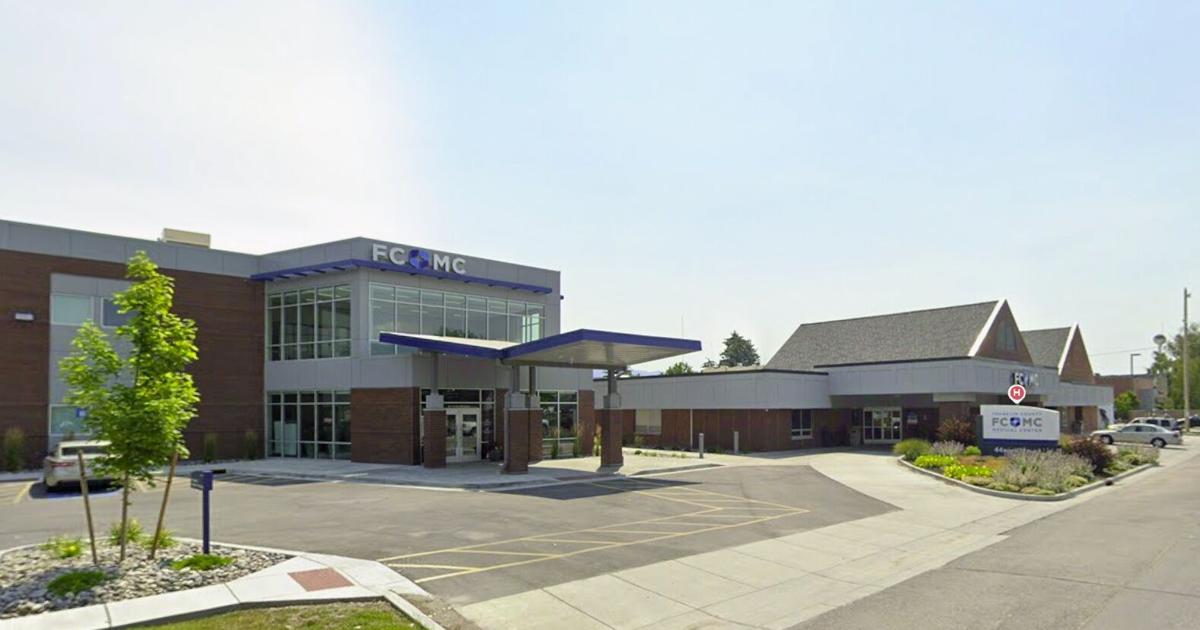
Health care providers serving Franklin and Bear Lake counties in Idaho are set to receive nearly $3.9 million in federal funding as part of the state’s broader rural health investment. It may not sound like agriculture news at first glance, but ask any ranch family facing a calving accident, a machinery injury, or a long drive to the nearest clinic. Rural health is farm infrastructure.
Agriculture depends on people who can keep working safely and recover when things go wrong. Farms and ranches are among the most physically demanding workplaces around. Equipment, livestock, weather, chemicals, long hours, and isolation all raise the stakes. When health care is too far away or too thinly staffed, every emergency becomes more dangerous.
There is also the quieter side of rural health: prenatal care, mental health support, chronic disease management, physical therapy, dental care, and addiction services. These are not luxuries. They are part of whether young families stay in rural towns, whether older producers can age in place, and whether hired workers can access care when needed.
For farm businesses, stronger local health services can help with workforce stability. A community with a functioning clinic, emergency response, and basic health access is easier to recruit to and easier to keep families in. You can have the best soil in the county, but if nobody can get medical care within a reasonable distance, the roots of the community start to dry out.
This Idaho funding is local news, but the pattern is national. Rural regions everywhere are trying to keep hospitals open, recruit providers, and modernize care. Farmers know better than most that maintenance beats crisis repair. The same is true for rural health systems.
今日更多报道
干草方块召回将饲料安全置于首位
Laub’s Feeding and Cubing is recalling up to 89 tons of Grade A Mini Hay Cubes because of possible Clostridium botulinum contamination. For livestock owners, this is a stop-and-check-the-feed-room kind of alert.
希腊将目光投向难民工人以缓解劳动力短缺
希腊正着眼于已被认可且已居住在国内的难民,作为解决持续劳动力短缺的一个方案。对于农业来说,收获不能等文件排队,这一故事带来了一个熟悉的教训:劳动力政策就是粮食政策。