Ein altes englisches Anwesen übernimmt eine neue Aufgabe: Lebensraum für Wildtiere schaffen
Finca AI
Dein Begleiter für Hofnachrichten
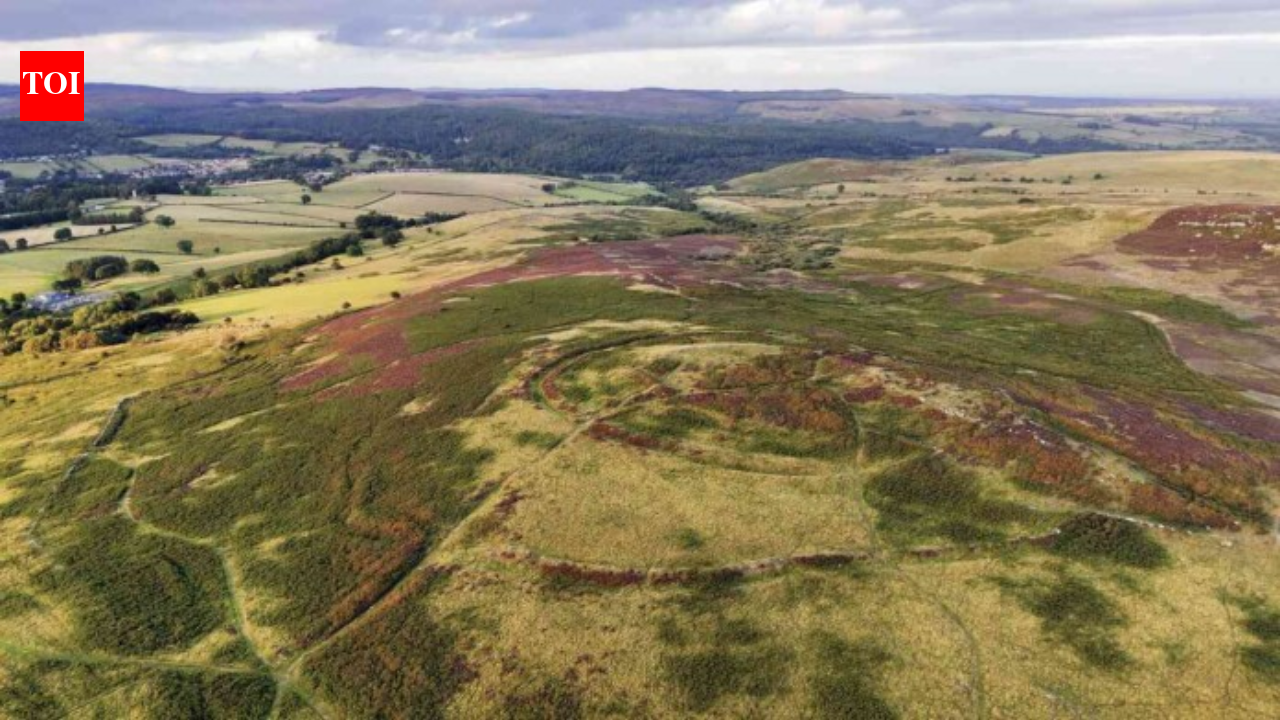
After roughly 800 years in one family’s hands, the Rothbury Estate in Northumberland has taken a sharp turn toward nature. More than 25,000 supporters from 50 countries helped raise nearly £30 million so the 9,500-acre property could be bought for wildlife conservation. That is quite a passing of the pitchfork, even if this one comes with binoculars and biodiversity plans.
Large land purchases for conservation always stir up big questions in farm country. What happens to grazing rights? Will local jobs shift or shrink? Can conservation land still support working rural communities? These are not side issues. In places where land is livelihood, changing ownership means changing the rhythm of the countryside.
At the same time, the scale of this purchase shows how strongly the public is responding to biodiversity loss, climate concerns, and degraded habitats. People are willing to put money behind restoring peatlands, woodlands, rivers, and native species. For farmers, that trend can feel both promising and uncomfortable. Conservation funding may open new income streams, but it can also compete with traditional food production for land.
The future likely will not be a simple choice between farming and wildlife. The more interesting question is how working landscapes can do both. Well-managed grazing can support habitat. Hedgerows, riparian buffers, agroforestry, and rotational systems can bring wildlife back without turning every field into a museum piece. The best land stewardship often has muddy boots, not just glossy brochures.
For farmers watching from afar, Rothbury is a signpost. Land ownership models are changing, public expectations are changing, and natural capital is becoming part of the rural economy. Whether that turns into opportunity or conflict depends on whether local producers are treated as partners, not obstacles. After all, nobody knows a landscape quite like the people who have spent wet mornings fixing gates in it.
Originalquelle
The Times of India - Originalartikel lesenMehr aus der heutigen Ausgabe
Eine 53-Millionen-Dollar-Offensive gegen Unkräuter, die dem Sprühgerät immer einen Schritt voraus sind
Ein großes Forschungsprojekt unter Leitung des MIT zielt auf eines der hartnäckigsten und kostenintensivsten Probleme in der Landwirtschaft ab: Unkräuter, die immer wieder Wege finden, zu überleben. Gelingt das Projekt, könnten Landwirte neue Werkzeuge erhalten, die sowohl im Feld wirksam als auch schonender für die menschliche Gesundheit sind.
Der Rückruf von Heuwürfeln rückt Futtersicherheit in den Mittelpunkt
Laub’s Feeding and Cubing ruft bis zu 89 Tonnen Mini-Heuwürfel der Qualitätsstufe A wegen möglicher Clostridium botulinum-Kontamination zurück. Für Tierhalter ist das ein Alarm zum Anhalten und das Futterlager gründlich zu prüfen.
Greece Looks to Refugee Workers as Labor Gaps Bite
Greece is looking at recognized refugees already living in the country as one answer to persistent labor shortages. For agriculture, where harvests wait for no paperwork queue, the story carries a familiar lesson: workforce policy is food policy.
Indonesien stellt die Finanzierungsfrage beim Naturschutz
Indonesien hat auf der COP31 eine Taskforce für innovative Finanzierung des Managements von Nationalparks ins Leben gerufen. Für Landwirte und Flächenverwalter ist die größere Botschaft klar: Naturschutzziele brauchen zunehmend dauerhafte Finanzierung, nicht nur gute Absichten.