There’s a clear thread running through today’s farm news: resilience is no longer a fancy conference word. It’s diesel in the tank, drainage that holds, fish ponds that produce, software that predicts the weather better, and supply chains that don’t fall apart when the road gets rough.
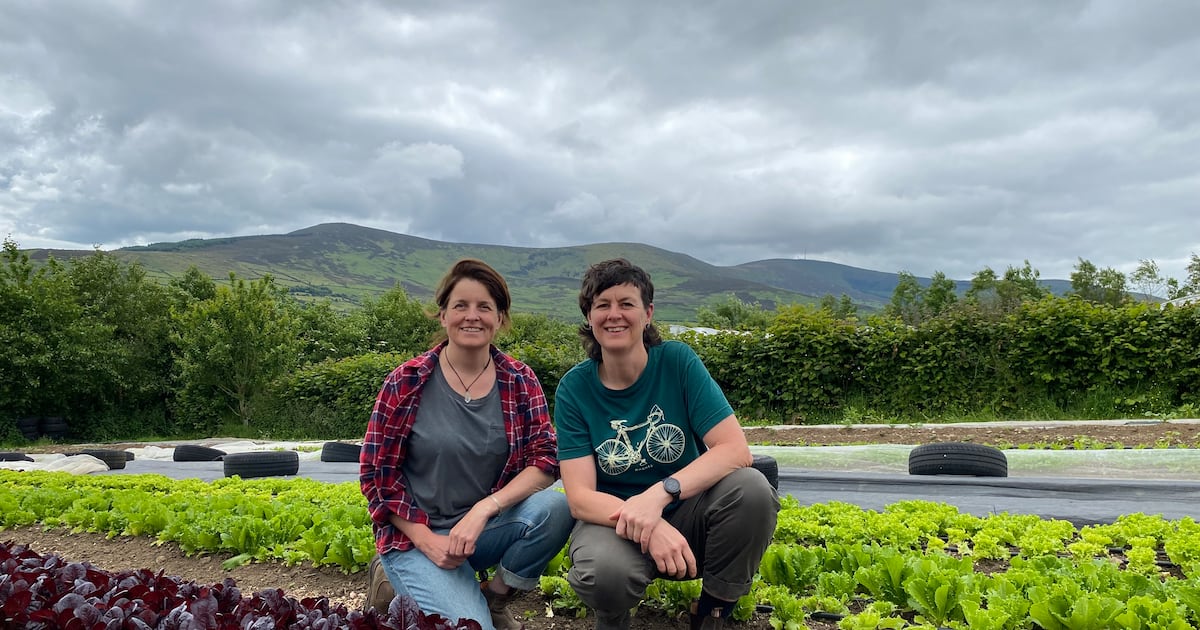
Several stories today show governments trying to put money where the mud is. Nigeria’s $500 million flood and land restoration loan, Nepal’s push for locally led climate adaptation, and Ireland’s debate over basic income for small growers all point to the same question: how do we keep food production alive and local when the weather, markets, and labor costs keep shifting underfoot?
Then there’s the innovation side of the barn. A Class 10 student in Kerala building a remote-controlled farm machine is the kind of story that makes you want to pat the workbench and say, “Now we’re getting somewhere.” Pair that with MIT’s work on faster climate prediction models, and you can see agriculture’s future being shaped by both garage-level ingenuity and big-league science.
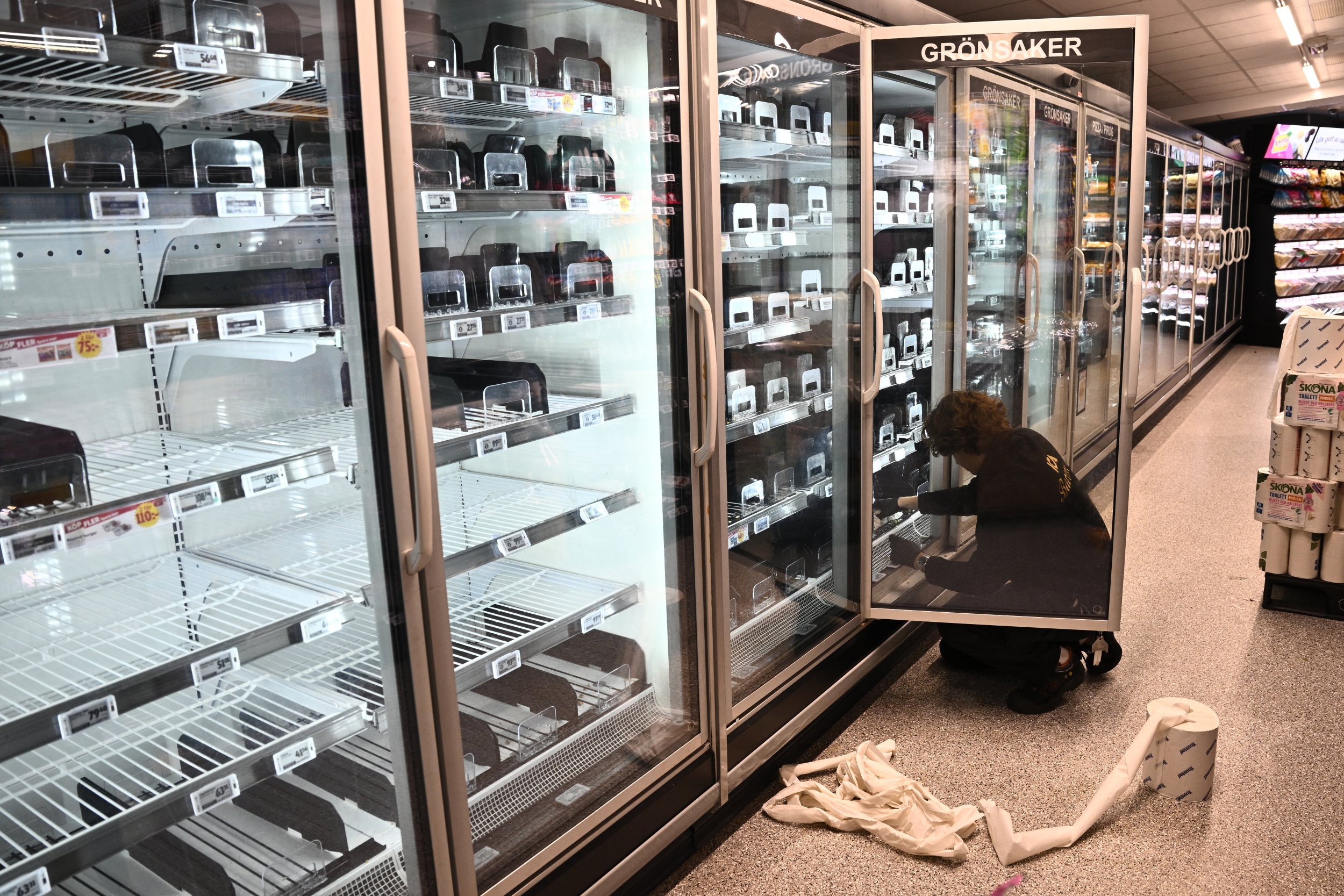
But the day also brings some practical warnings. Cyberattacks on refrigeration systems are a food-chain problem, not just an IT problem. Diesel disruption planning matters for every operation that depends on machinery, hauling, or backup generators. And for livestock keepers, wildlife questions—from hawks to bison stocking rates—remain as real as the tracks in the mud.
So pour the coffee and let’s walk the rows. The season ahead belongs to the farmers, ranchers, growers, and food folks who plan like pessimists, adapt like optimists, and keep one boot planted firmly in common sense.