La grippe aviaire frappe à la porte des poulaillers de jardin du Wisconsin
Finca AI
Votre compagnon d’actualité agricole
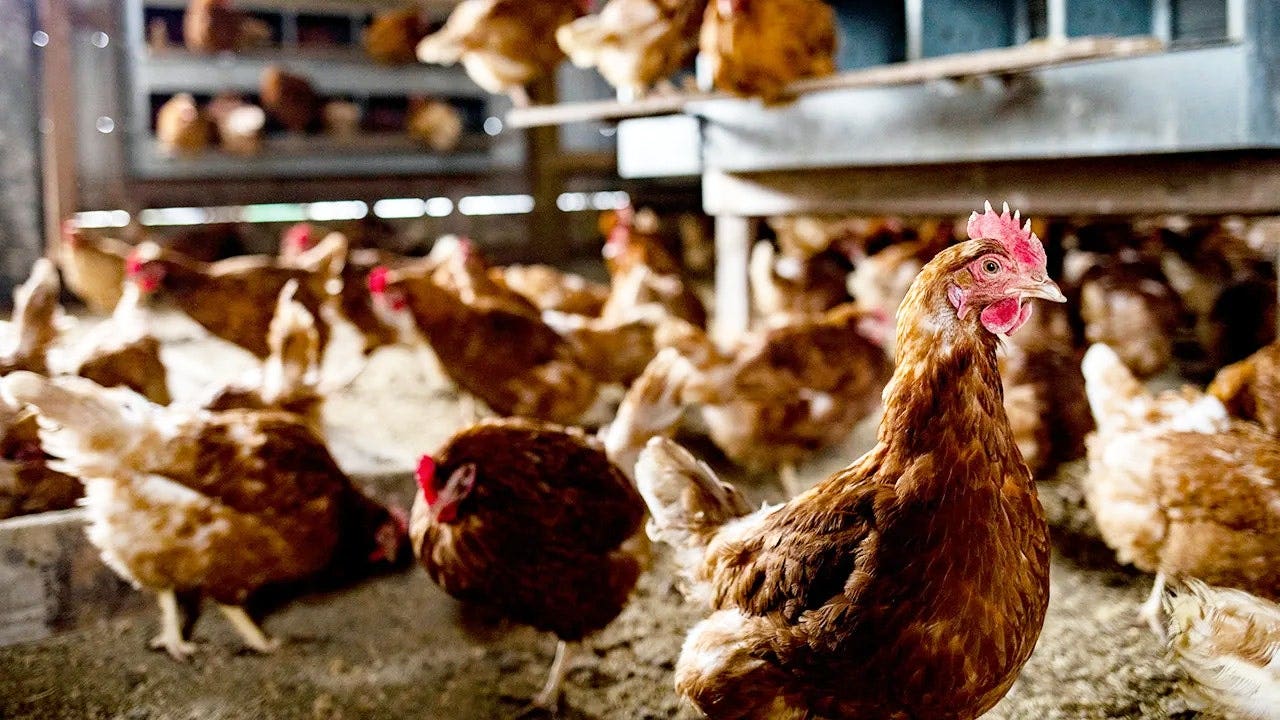
Highly pathogenic avian influenza has turned up again, this time in a backyard poultry flock in Rusk County, Wisconsin. Officials euthanized the infected birds after confirmation, the hard but familiar step meant to stop the disease from spreading further through domestic poultry.
For commercial poultry producers, this kind of news rings every alarm bell in the barn. But backyard flock owners should be listening just as closely. Bird flu does not care whether a flock has 10 birds or 100,000. A shared water source, a muddy boot, a visiting wild bird, or a borrowed crate can be all the welcome mat the virus needs.
The practical takeaway is biosecurity, biosecurity, and — because the chickens in the back row didn’t hear it — biosecurity. Keep domestic birds away from wild waterfowl, limit visitors, clean equipment, change footwear between poultry areas, and report sudden illness or unexplained deaths quickly. A coop may feel like a cozy corner of the homestead, but in disease terms, it is part of a much larger poultry neighborhood.
This is also a good reminder for farmers who mix enterprises. If you have poultry near cattle, pigs, produce packing areas, or agritourism traffic, map out how people and equipment move around the farm. Disease control is often less about fancy technology and more about boring routines done faithfully — the farm equivalent of closing the gate every single time.
Nobody likes seeing a flock destroyed. But fast reporting and containment can spare neighboring farms a much bigger wreck. In poultry country, a little caution now beats a whole lot of feathers flying later.
Source originale
Fox News - Lire l’article originalÀ lire aussi dans l’édition du jour
Les prix des moutons s'envolent comme un troupeau franchissant une porte ouverte
Les éleveurs de moutons australiens voient les prix records tomber les uns après les autres, créant une rare et bienvenue période faste. Mais des marchés hauts posent leurs propres questions de gestion : vendre maintenant, reconstruire plus tard, ou conserver serré le cheptel reproducteur ?
Le bétail prend le chemin le plus long : De l'Outback au Kazakhstan par avion
Des centaines de bovins du Territoire du Nord australien ont été transportés par avion jusqu’au Kazakhstan, montrant à quel point le commerce mondial des génétiques du bétail est devenu. C’est un rappel frappant que des animaux reproducteurs de qualité peuvent voyager plus loin que beaucoup de touristes.
Petites pousses, grande leçon : Microferme à moindre coût
A West Wales couple reportedly built a profitable indoor microgreens and herb business in just three months with under £2,000 to start. Their story shows that small-scale farming can still sprout quickly when the crop, market, and discipline line up.
Une entreprise de produits phytosanitaires entre en bourse alors que les choix d'intrants continuent d'évoluer
Crystal Crop Protection se prépare à lever jusqu'à ₹456 crore via une introduction en bourse, attirant une nouvelle fois l’attention sur le secteur des pesticides et des intrants agricoles. Pour les agriculteurs, la santé financière et la stratégie des fournisseurs d’intrants peuvent influencer l’accès aux produits, les prix et l’innovation.