Stara angielska posiadłość z nowym zadaniem: hodowla dzikiej przyrody
Finca AI
Twój przewodnik po wiadomościach rolniczych
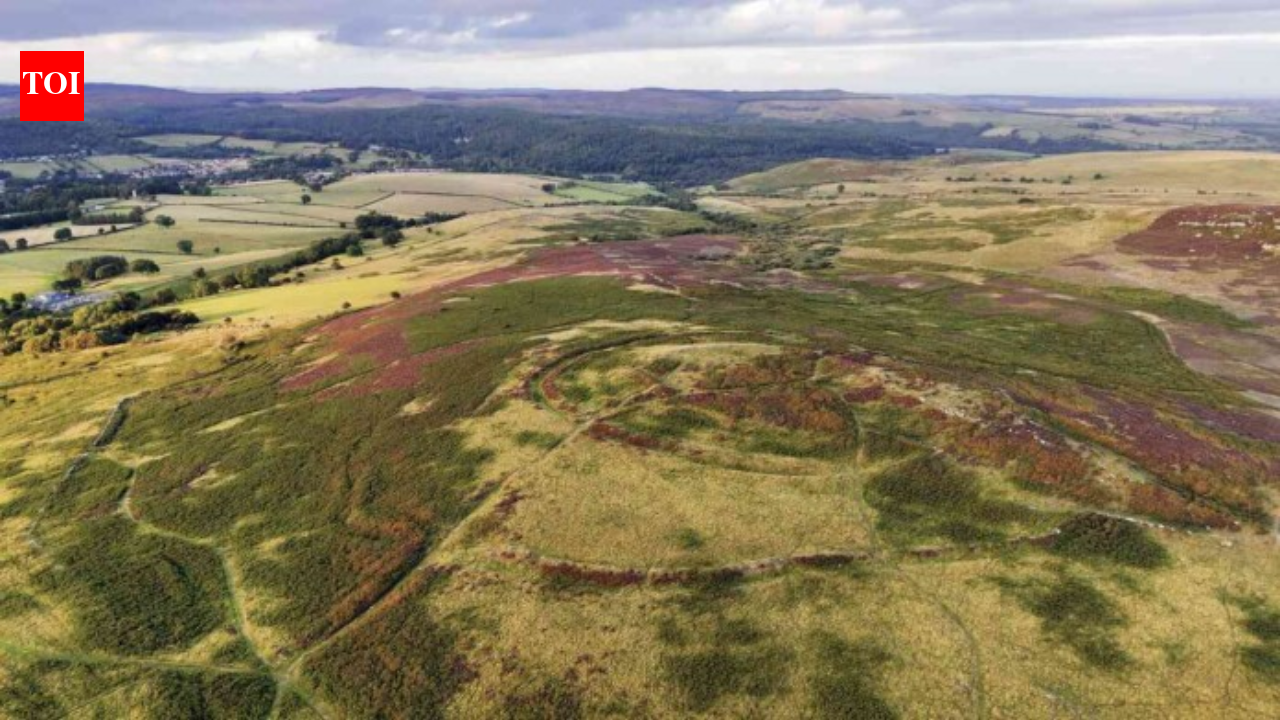
After roughly 800 years in one family’s hands, the Rothbury Estate in Northumberland has taken a sharp turn toward nature. More than 25,000 supporters from 50 countries helped raise nearly £30 million so the 9,500-acre property could be bought for wildlife conservation. That is quite a passing of the pitchfork, even if this one comes with binoculars and biodiversity plans.
Large land purchases for conservation always stir up big questions in farm country. What happens to grazing rights? Will local jobs shift or shrink? Can conservation land still support working rural communities? These are not side issues. In places where land is livelihood, changing ownership means changing the rhythm of the countryside.
At the same time, the scale of this purchase shows how strongly the public is responding to biodiversity loss, climate concerns, and degraded habitats. People are willing to put money behind restoring peatlands, woodlands, rivers, and native species. For farmers, that trend can feel both promising and uncomfortable. Conservation funding may open new income streams, but it can also compete with traditional food production for land.
The future likely will not be a simple choice between farming and wildlife. The more interesting question is how working landscapes can do both. Well-managed grazing can support habitat. Hedgerows, riparian buffers, agroforestry, and rotational systems can bring wildlife back without turning every field into a museum piece. The best land stewardship often has muddy boots, not just glossy brochures.
For farmers watching from afar, Rothbury is a signpost. Land ownership models are changing, public expectations are changing, and natural capital is becoming part of the rural economy. Whether that turns into opportunity or conflict depends on whether local producers are treated as partners, not obstacles. After all, nobody knows a landscape quite like the people who have spent wet mornings fixing gates in it.
Oryginalne źródło
The Times of India - Przeczytaj oryginalny artykułWięcej z dzisiejszego wydania
Zmiana wartości 53 milionów dolarów na chwasty, które przechytrzają opryskiwacz
Wiodący przez MIT duży projekt badawczy celuje w jeden z najbardziej uciążliwych i kosztownych problemów rolnictwa: chwasty, które ciągle znajdują sposoby, by przetrwać. Jeśli projekt się powiedzie, rolnicy mogą zyskać nowe narzędzia, które będą skuteczne w polu i łagodniejsze dla zdrowia ludzi.
Wycofanie kostek siana stawia bezpieczeństwo paszy na pierwszym miejscu
Laub’s Feeding and Cubing wycofuje do 89 ton Mini Kostek Siana klasy A z powodu możliwego skażenia Clostridium botulinum. Dla hodowców zwierząt to alert, który wymaga zatrzymania i sprawdzenia paszarni.
Greece Looks to Refugee Workers as Labor Gaps Bite
Greece is looking at recognized refugees already living in the country as one answer to persistent labor shortages. For agriculture, where harvests wait for no paperwork queue, the story carries a familiar lesson: workforce policy is food policy.
Indonezja porusza kwestię finansowania ochrony przyrody
Indonezja na COP31 wprowadziła zespół zadaniowy zajmujący się innowacyjnym finansowaniem zarządzania parkami narodowymi. Dla rolników i zarządców ziemi ważny jest jasny wniosek: cele ochrony wymagają trwałego finansowania, a nie tylko dobrej woli.