Griekenland kijkt naar vluchtelingenarbeiders nu arbeidskrapte toeslaat
Finca AI
Je metgezel voor landbouwnieuws
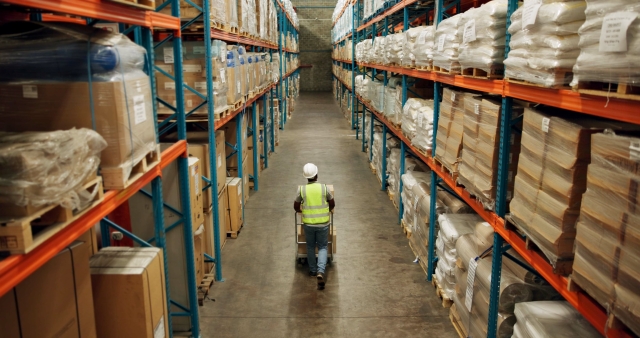
Greece is wrestling with a labor shortage that could be costing the country billions, and businesses are increasingly turning to recognized refugees who are already living there. According to the report, filling labor gaps could boost Greek GDP by up to €5.5 billion, while employers face delays in work permits and new procedures for matching workers to vacancies.
That may sound like a national economic story, but farmers should hear the tractor engine rumbling underneath it. Agriculture across much of Europe depends heavily on seasonal and migrant labor, especially in fruit, vegetables, olives, vineyards, and livestock processing. When workers are available but paperwork crawls along like a stuck wagon, crops do not politely wait on the vine.
The Greek case reflects a much bigger global pattern. Farm labor is tight in the United States, Canada, the United Kingdom, Australia, and across the European Union. Rural populations are aging, young people are moving toward cities, and the work itself remains physically demanding and seasonal. Mechanization helps in some sectors, but not every peach, strawberry, olive, or lambing pen can be handled by a robot just yet.
For producers, the practical implications are plain. Labor planning has become as important as seed ordering or feed budgeting. Farms need clearer hiring pipelines, better housing standards, stronger training, and predictable legal processes. Employers who treat workers well and build reliable crews will have an edge when the season gets tight.
There is also a human story here. Refugees are not just an emergency labor pool; they are people trying to rebuild lives, support families, and contribute to their new communities. When done fairly, matching willing workers with real vacancies can help farms, workers, and rural economies all at once. That is the kind of row worth hoeing carefully.
Oorspronkelijke bron
Protothema - Lees het oorspronkelijke artikelMeer uit de editie van vandaag
Een investering van $53 miljoen in onkruid dat de spuitmachine te slim af is
Een groot MIT-gestuurd onderzoeksproject richt zich op een van de vervelendste en duurste problemen in de landbouw: onkruid dat steeds weer manieren vindt om te overleven. Als het project slaagt, kunnen boeren nieuwe hulpmiddelen krijgen die zowel effectief zijn in het veld als vriendelijker voor de menselijke gezondheid.
Terugroeping van hooi-kubussen zet voederveiligheid in de schijnwerpers
Laub’s Feeding and Cubing roept tot 89 ton Grade A Mini Hooi-kubussen terug vanwege mogelijke besmetting met Clostridium botulinum. Voor veehouders is dit een duidelijke waarschuwing om de voederruimte te controleren.
Een oud Engels landgoed krijgt een nieuwe taak: natuurbeheer
Een 9,500-acre landgoed in Northumberland, al eeuwenlang in handen van één familie, is gekocht voor natuurbescherming met hulp van meer dan 25,000 donateurs. Het is een opvallend voorbeeld van hoe grondwaarden, beschermingsdoelen en landelijke identiteit worden heronderhandeld.
Indonesië Brengt de Geldvraag naar Natuurbehoud
Indonesië heeft op COP31 een werkgroep geïntroduceerd die zich richt op innovatieve financiering voor het beheer van nationale parken. Voor boeren en grondeigenaren is de grotere boodschap duidelijk: natuurbehoudsdoelen hebben steeds meer duurzame financiering nodig, niet alleen goede bedoelingen.