Fox News畜牧
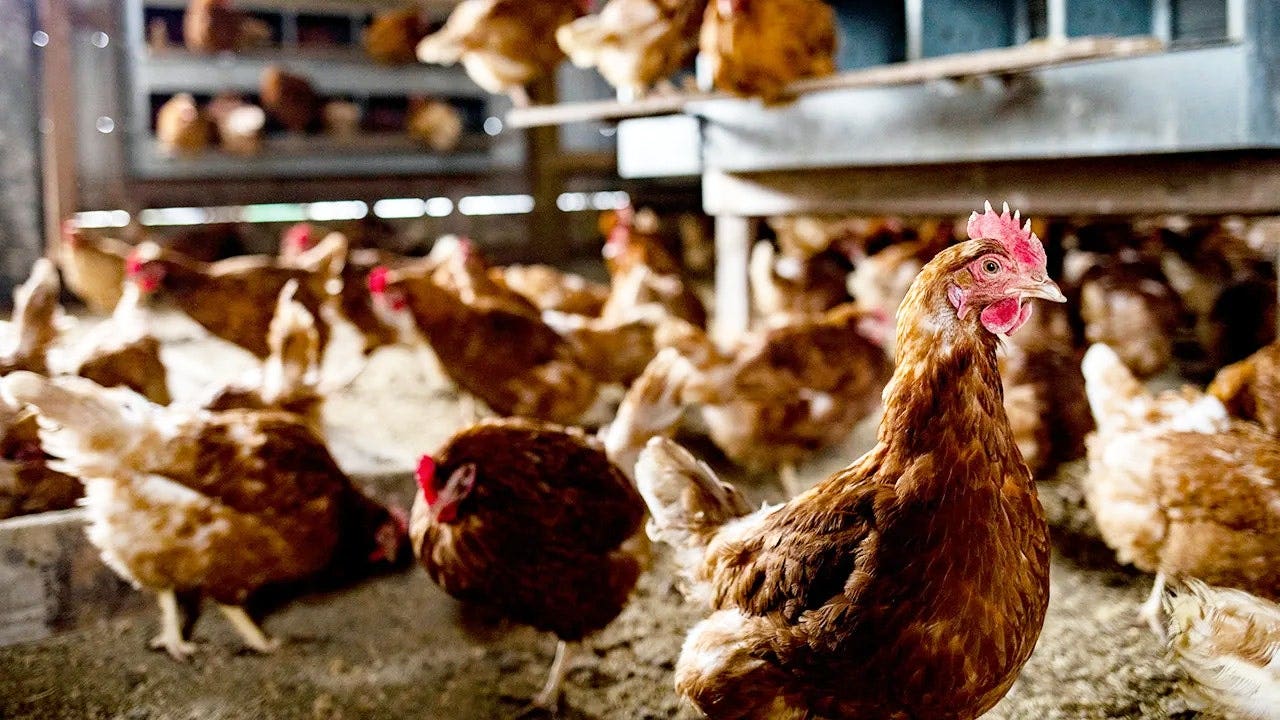
禽流感敲响威斯康星后院鸡舍的门
威斯康星一处后院鸡群确诊高致病性禽流感,鲜明提醒大家:小鸡群也绝非小风险。对于养禽者来说,信息很明确:在病毒找到薄弱环节之前,务必加强生物安全防护。
#avian-flu #poultry #biosecurity
阅读全文 每日收获
Good morning, growers, grazers, and greenhouse tinkerers. Today’s harvest of news has a bit of everything: animal disease warnings, high-flying cattle, hot livestock markets, food-system investment, and a reminder that climate resilience is becoming as practical as a fence post.
There’s a strong theme running through today’s agriculture news: resilience is no longer a side project. Whether it’s climate adaptation funding reaching vulnerable countries, mangroves making a global comeback, or young land-restoration startups being offered serious seed money, the farm world is being asked to do what it has always done best — adapt, improvise, and keep growing when the weather, markets, and politics get squirrelly.
Animal agriculture is especially lively today. Wisconsin’s backyard bird flu case is a reminder that biosecurity starts at the coop door, not the corporate boardroom. Meanwhile, Australian sheep producers are watching records tumble at saleyards, and Northern Territory cattle have quite literally taken flight to Kazakhstan — proof that genetics, logistics, and global demand can move livestock farther than a crow with a tailwind.
Food systems are also stretching in new directions. A Welsh couple turning less than £2,000 into a profitable indoor microgreens business shows how small-scale farming can still find nimble, high-value niches. Lagos is looking beyond the field and into the whole food value chain, while farmer loan programs point to the same truth: growing food is only half the job; financing, processing, storage, skills, and market access are the rest of the wagon.
And then there are the tougher knots: antibiotics in salmon farming affecting wild fishers, Delhi’s pollution crisis tangled up with urban emissions and stubble burning, and farm labor policy in Australia still searching for the right balance. None of these are simple rows to hoe. But they all point to one big reality — agriculture sits at the crossroads of health, climate, trade, labor, and community. Pull one thread, and half the barn quilt moves.
威斯康星一处后院鸡群确诊高致病性禽流感,鲜明提醒大家:小鸡群也绝非小风险。对于养禽者来说,信息很明确:在病毒找到薄弱环节之前,务必加强生物安全防护。
澳大利亚羊肉生产者正目睹连连打破纪录的价格,迎来罕见而受欢迎的黄金行情。高价市场也带来了管理难题:现在卖出、以后重建,还是紧抓繁殖羊群?
来自澳大利亚北领地的数百头牛被空运到哈萨克斯坦,显示了牲畜遗传资源贸易的全球化程度。这生动地提醒我们,高品质的种畜能走得比许多游客还远。
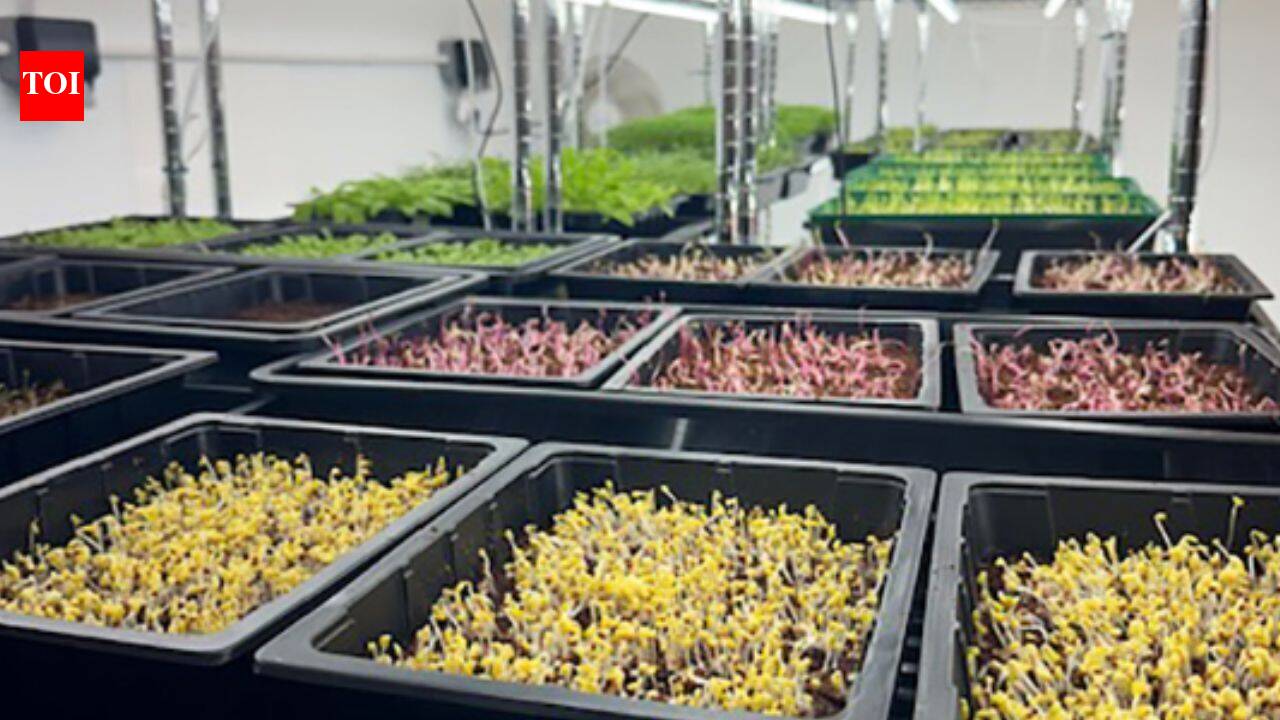
据报道,威尔士西部的一对夫妇只用了不到2,000英镑和三个月时间,就建立了一个盈利的室内微绿植物和香草生意。他们的故事显示,当作物、市场和纪律匹配时,小规模种植依然可以迅速发芽。

Crystal Crop Protection is preparing to raise up to ₹456 crore through an IPO, putting another spotlight on the business behind pesticides and farm inputs. For growers, the financial health and strategy of input suppliers can shape product access, pricing, and innovation.
小型小龙虾渔民对三文鱼养殖中使用抗生素的影响表示反对,称他们承担了不公平的成本。这场争议凸显了一个日益突出的食品体系挑战:如何平衡集约水产养殖与野生渔业及海岸生计。
气候投资基金已确定新适应项目的首批参与者,标志着韧性融资正变得更具实质意义。对农业而言,当气候资金触及水利系统、土壤、基础设施和农民自身时,其意义尤为重大。
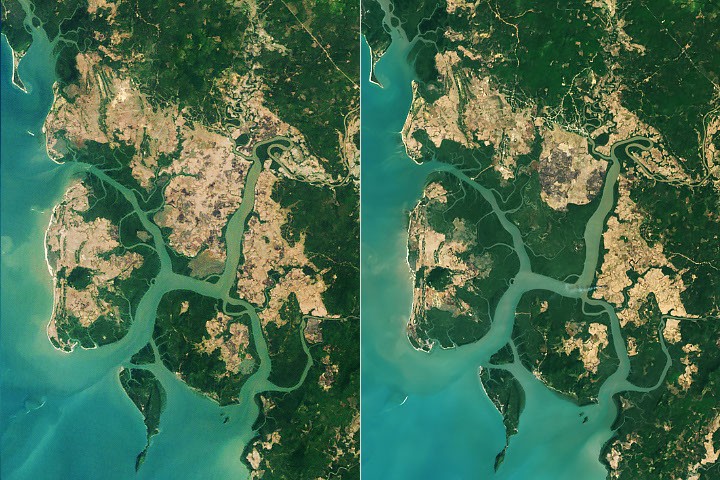
NASA报告称,红树林在全球范围内经历数十年衰退后正逐渐恢复。这不仅对野生动植物重要:这些沿海森林保护海岸线,支持渔业,储存碳,还能缓解风暴对农场和社区的破坏。

A UN-backed youth ecopreneur program is offering up to $100,000 in funding for startups working on land restoration and green business solutions. For agriculture, this is another sign that soil, biodiversity, and degraded land are becoming investment priorities.

进入节日污染季节时,德里PM2.5浓度已接近去年排灯节前基线的两倍。秸秆焚烧确实是争论的一环,但更重要的教训是,不能让农民成为更广泛排放问题中唯一的“烟囱”。
澳大利亚政府正在重新审议拟议中的背包客签证收紧措施,同时仍在寻找管理英国工作度假者激增的方法。对于园艺和季节性农业来说,签证政策决定着果实是被采摘还是任其挂满枝头。

拉各斯州已开始为联邦项目 FarmerMoni 注册农民,该计划提供无息、无抵押贷款。及时获得小额资金可能意味着按时种植或错过整个季节的区别。

拉各斯州表示,其食品战略正在从单纯种植扩展到涵盖更广泛的价值链和劳动力技能转型。这个转变至关重要,因为食品安全不仅取决于生产,还取决于加工、物流、储存、零售以及受过培训的人才。