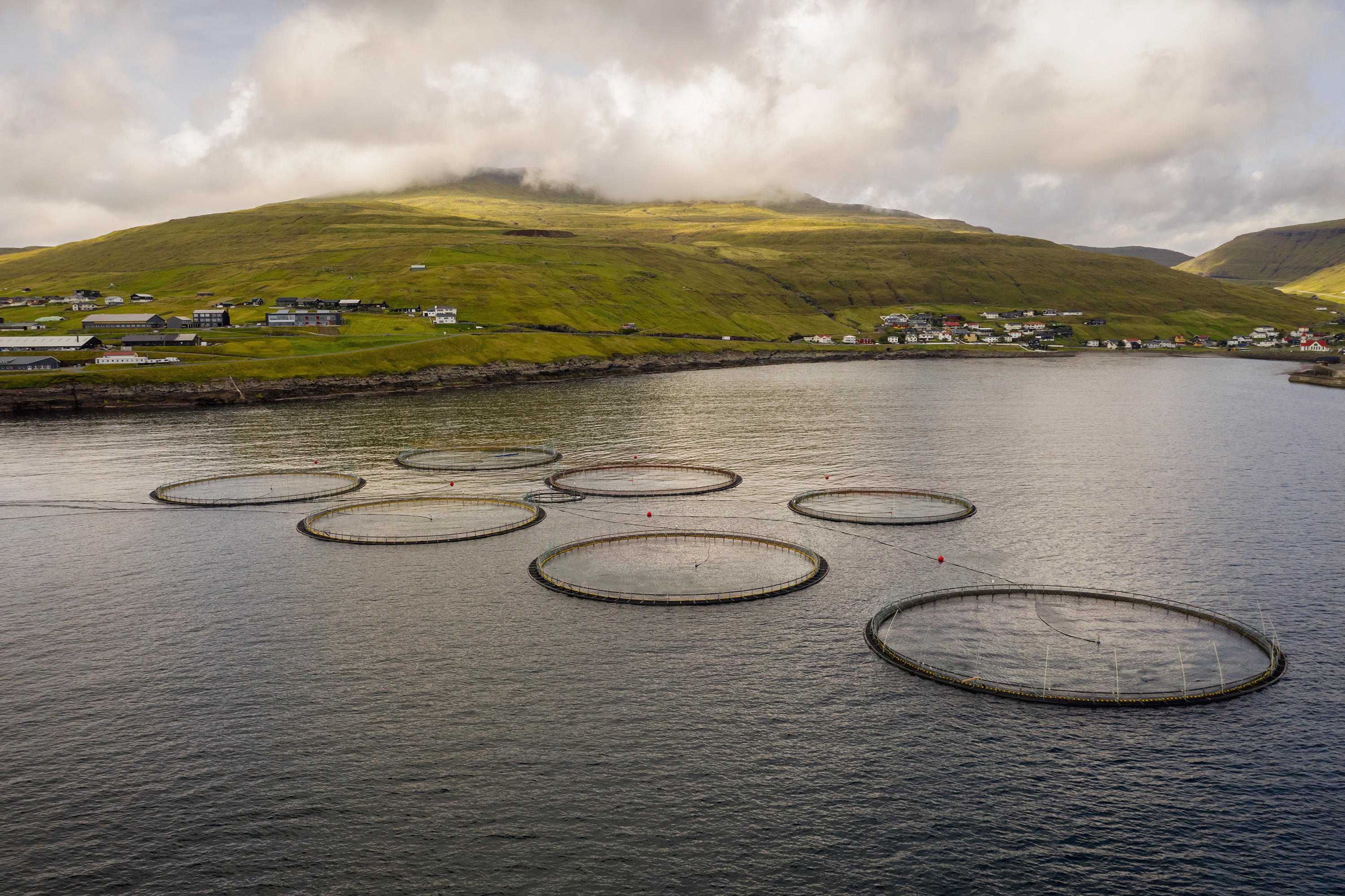
There’s a strong thread running through today’s agriculture news: resilience. Whether we’re talking about Odisha farmers picking through cyclone damage, aquaculture operators trying to keep disease from sweeping through tanks, or fruit and vegetable growers wondering what value is hiding in the peels and stems we usually toss, the work ahead is about making more from less and losing less along the way.
The labor question is also back at the gate. Australia’s possible tightening of British backpacker visa rules may sound like a travel-policy story, but anyone who has tried to staff a harvest knows better. Farm labor systems are like irrigation lines: when one valve changes, the pressure shifts everywhere else.
Climate, meanwhile, is not politely waiting its turn. New warnings about ice loss point to bigger swings in water, weather, and risk — the kind of slow-moving trouble that eventually shows up as flooded fields, dry reservoirs, insurance headaches, and planting calendars that feel like they were written in pencil during a windstorm.
And then there’s the innovation side of the barn: microneedle vaccines for farmed fish, biofabricated materials pushing into leather’s territory, and agritourism turning quiet rural corners into diversified income streams. The future of farming is not one big machine rolling across the field. It’s a patchwork quilt — science, stewardship, markets, policy, and a good dose of farmer creativity stitched together.