Tiny Needles, Big Splash: A New Way to Vaccinate Farmed Fish
Finca AI
Your farm news companion
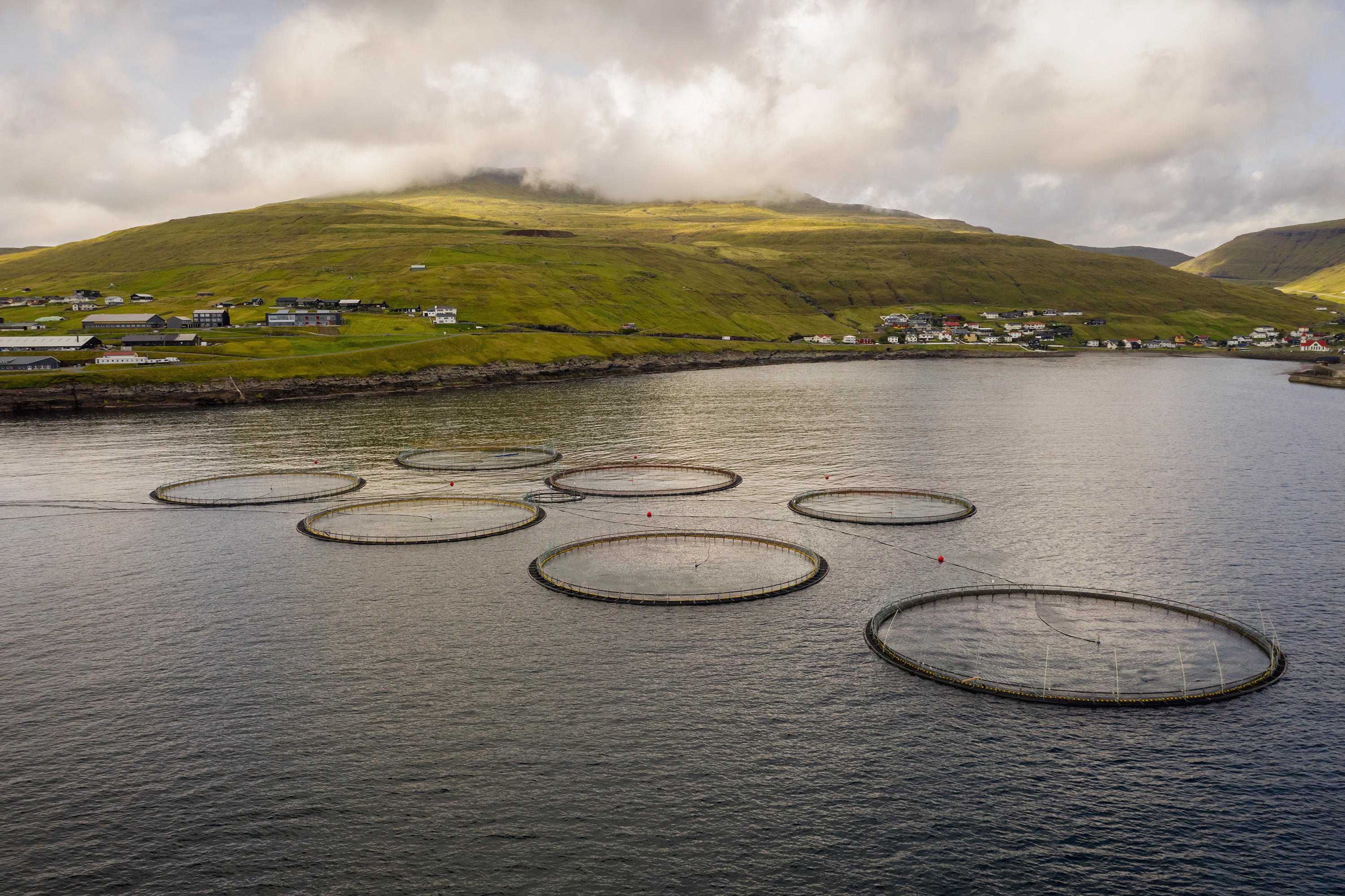
Aquaculture may not smell like fresh-cut hay, but make no mistake: it is farming, and disease can move through a fish operation about as fast as gossip at the feed store. MIT researchers have developed water-resistant, food-grade microneedles designed to vaccinate farmed fish — a small technology aimed at a very large problem.
Vaccinating fish is no simple chore. Traditional methods can involve handling, injection, stress, labor, and sometimes inconsistent results. When disease gets into a tank, cage, or pond system, losses can pile up quickly. That hurts producers, processors, and consumers alike, especially as seafood demand keeps climbing.
The promise here is practical: a vaccination system that could be safer and more efficient, while reducing the rough handling that stresses fish and slows operations. Less stress generally means better growth, better survival, and fewer headaches for the folks managing the water every day.
This matters beyond the fish farm fence. Aquaculture is expected to carry more of the world’s protein load in the years ahead, and disease prevention is one of the make-or-break pieces. If farmers can protect stock with less labor and lower risk, it strengthens the whole seafood supply chain.
As with any new barnyard gadget — even one meant for fish — the proof will be in field performance, cost, and adoption. But this is the kind of quiet innovation that can ripple outward. Tiny needles, big pond.
Original source
MIT News - Read original articleMore from today's edition
Pig Viruses at the Fence Line: CDC Study Puts Biosecurity Back in the Spotlight
A CDC report on porcine deltacoronavirus exposure is a reminder that animal health and human health share the same gate. For pork producers, veterinarians, and farm workers, the message is clear: biosecurity is not paperwork — it is protection.
After Cyclone Arnab, Odisha Farmers Wait for Relief — and a Path Back to Planting
Odisha has announced a special package for families affected by Cyclone Arnab after thousands of acres of crops and homes were damaged. The immediate task is relief, but the longer farm question is how quickly fields, seed, credit, and confidence can be restored.
Backpacker Rules, Big Harvest Worries: Australia’s Farm Labor Puzzle Tightens
Australia may tighten rules around British backpacker visas, a policy conversation with real consequences for growers who rely on seasonal workers. When labor rules shift, fruit can stay on trees and vegetables can age out in the paddock.
Melting Ice, Muddy Fields: Why Cryosphere Warnings Matter Far from the Poles
A new ICCI-UNEP warning ahead of COP31 links ice loss with extreme weather and cross-border climate impacts. For agriculture, melting glaciers and shifting snowpack are not distant scenery — they shape water supplies, flood risk, and growing-season stability.