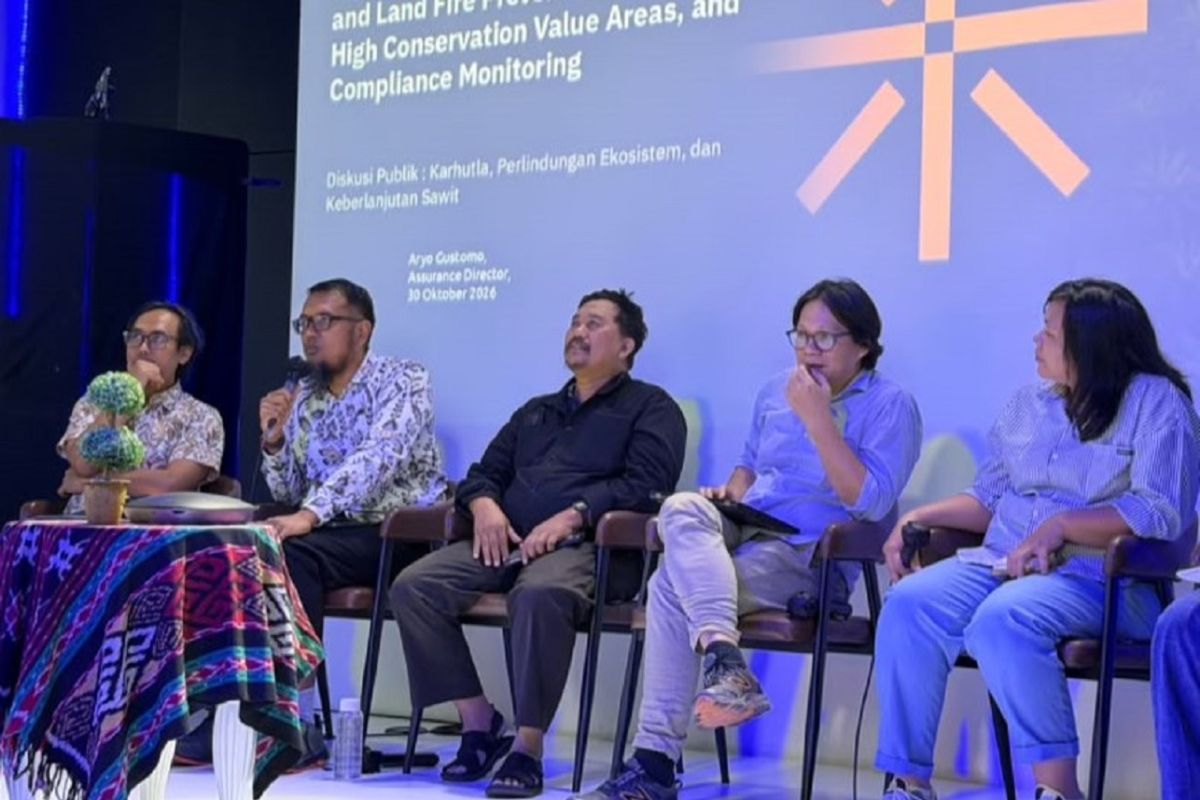
The big theme today is stewardship with sharper edges. Indonesia is wrestling with forest and land fires tied to plantation activity, while the sustainable palm oil world is reminding producers that fire-clearing is not a wink-and-nod violation anymore. For farmers everywhere, the message is familiar: land management decisions do not stay inside the property line. Smoke travels, markets react, and reputations can burn faster than dry brush.
We are also seeing supply chains grow up a little. Indonesia’s rubber sector is getting a closer look from planners and European researchers, and cooperatives are being urged to become true production engines rather than just middlemen moving bags and boxes. That matters well beyond Southeast Asia. Whether you grow rice, rubber, wheat, or walnuts, the future belongs to producers who can prove quality, traceability, and resilience from field to buyer.
On the science side, the day brings a lovely reminder that nature is no idle passenger. Researchers have found that trees use specialized wood almost like muscles to straighten themselves, while groundwater modeling work points toward smarter ways to match farming with water availability. It is all part of the same lesson: the land is constantly speaking. Better tools simply help us hear it before the well runs low or the windbreak leans sideways.
And then there is the practical stuff, the kind that belongs in a muddy notebook: how salinity stresses crops, how farmers can keep birds out of fields without declaring war on the sky, and why alpacas are charming but not exactly bargain-bin livestock. The modern farm needs both satellite maps and common sense, both climate policy and a good flashlight by the coop. Pull up a chair; there is plenty to chew on today.