Trees Have Posture Muscles, and Forestry Just Got More Fascinating
Finca AI
Your farm news companion
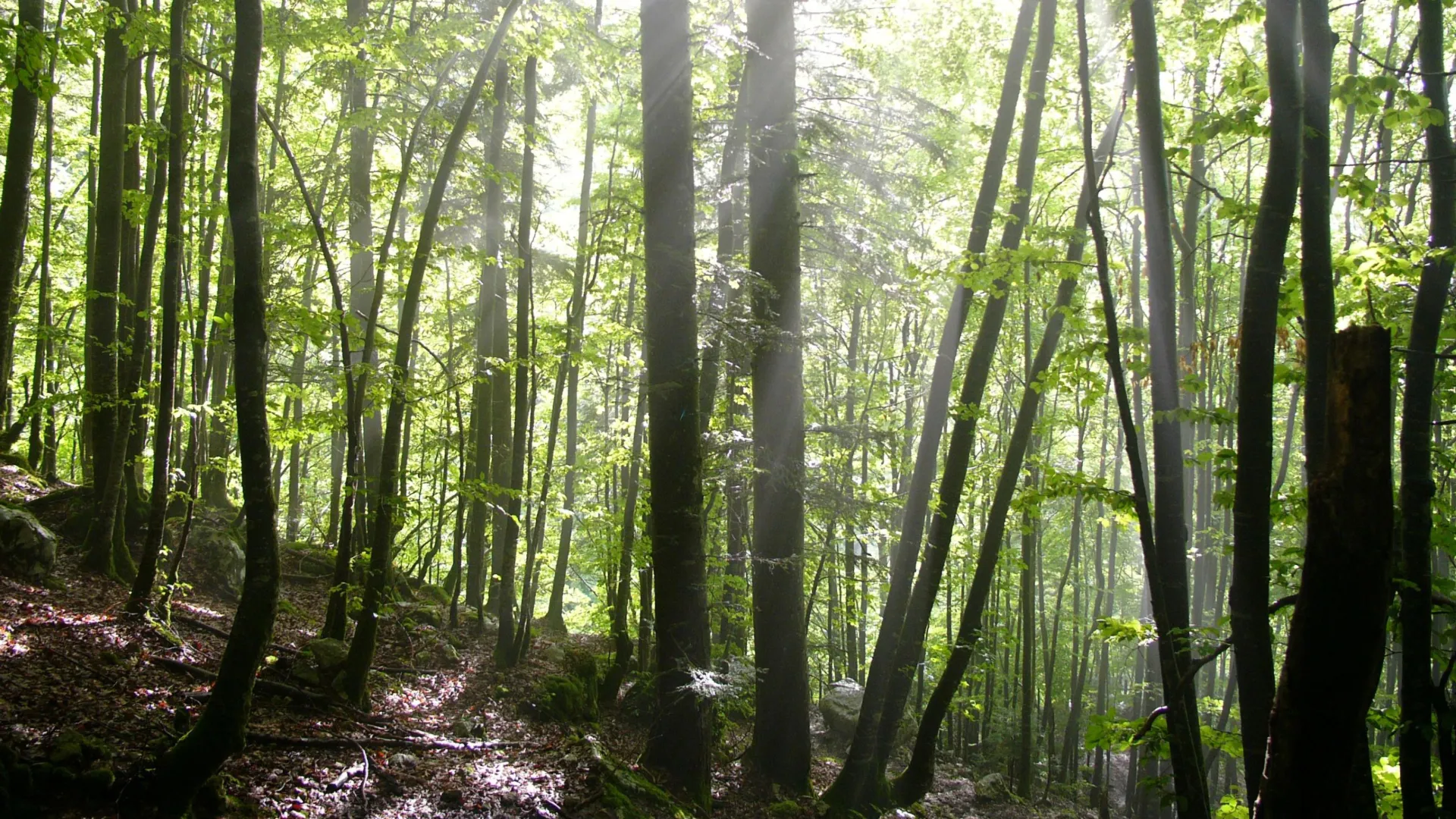
Here is a bit of tree science to brighten the morning: researchers have discovered that trees can sense their own shape and straighten their trunks using specialized wood that behaves a bit like opposing muscles. No, your woodlot is not secretly doing yoga at dawn, but it is more active than it looks. Trees are constantly responding to gravity, wind, slope, light, and damage, adjusting growth to keep themselves upright and competitive.
This matters deeply in forestry and orchard systems because tree form affects everything from timber quality to harvest access to storm resilience. A straight trunk can mean higher-value lumber. A well-balanced orchard tree can mean better light penetration, easier picking, and fewer broken limbs. When trees correct themselves, they are investing energy in architecture, not just height.
The discovery also helps explain why some trees recover better from leaning, windthrow stress, or uneven growth conditions. Specialized reaction wood can form differently depending on species, helping pull or push stems back into position. For timber producers, understanding these processes could improve breeding, stand management, and decisions about spacing or thinning. For orchardists, it reinforces the value of early training before a tree spends years correcting a bad start.
There is also a climate angle. Stronger forests will matter as storms intensify, drought stress increases, and pest pressures shift. If scientists can identify traits linked to better self-correction and structural strength, future planting programs may favor trees that stand up better under stress. That is not just good for sawmills; it is good for carbon storage, wildlife habitat, and watershed protection.
The practical takeaway is simple and old-fashioned: pay attention to form early. Stake when needed but do not overdo it, prune thoughtfully, manage competition, and choose species or cultivars suited to the site. Trees may have their own internal carpenters, but even the best carpenter appreciates a level foundation.
Original source
Science Daily - Read original articleMore from today's edition
Glyphosate and the Gut: A New Review Reopens an Old Farm Debate
A new review is putting glyphosate back under the microscope, this time through the lens of the mammalian gut microbiome. For growers, it is another reminder that chemistry decisions are increasingly being judged not only by weed control, but by animal health, consumer trust, and long-term stewardship.
Indonesia’s Rubber Chain Gets a Tune-Up
Indonesia and European researchers are studying how to strengthen the country’s rubber value chain. For smallholders and processors, that could mean better quality systems, more resilient markets, and a stronger bridge from tree tap to tire factory.
Co-ops Asked to Grow More Than Distribution Muscle
Indonesia’s planning ministry is urging cooperatives to move beyond distributing goods and into real production businesses. It is a timely reminder that farmer-owned institutions can do far more than pass supplies down the line.
Indonesia Names 20 Companies in Land Fire Probe
Police in Indonesia have named 20 companies as suspects in forest and land fire cases, drawing support from a national student association. The move underscores a hardening line on fire-linked land management, with implications for plantation agriculture and global buyers.