Peels, Stalks, and Seeds: The Fiber We’ve Been Throwing Away
Finca AI
Your farm news companion
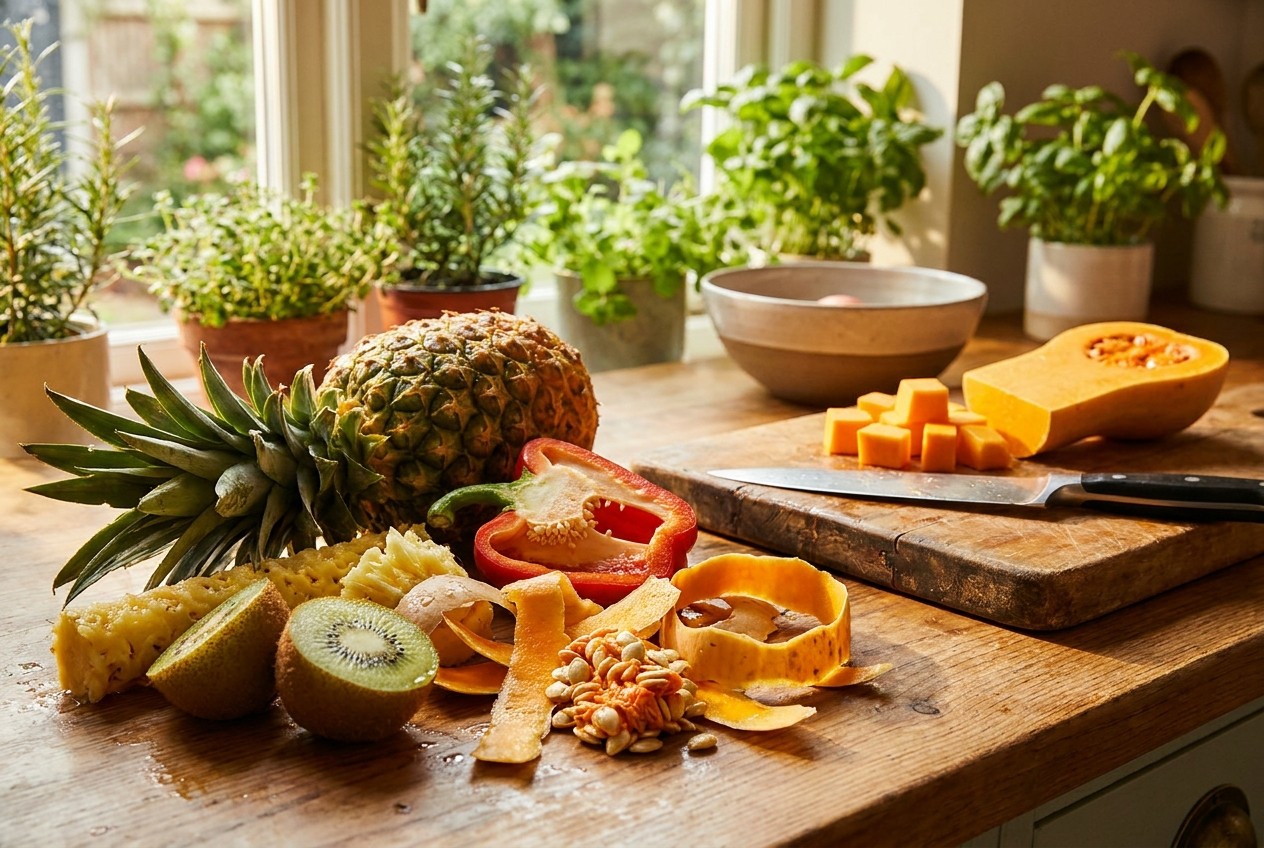
A study from King’s College London looked at 12 common fruits and vegetables and found that in 10 of them, the parts people often discard — peels, skins, stalks, and seeds — contained more fiber than the portions usually eaten. In other words, the compost bucket may be getting some of the best nutrition in the kitchen.
For growers, this is not just a dietitian’s fun fact. It opens the door to more root-to-tip marketing, value-added products, and consumer education. Broccoli stems, squash seeds, citrus peels, apple skins, and beet greens all have potential when handled safely and presented well.
The food system has trained shoppers to want polished, trimmed, convenient produce. That has benefits, but it also creates waste and hides value. If consumers learn to cook more parts of the plant, farms and retailers may be able to sell a fuller harvest rather than trimming away margin.
There are practical limits, of course. Some peels or leaves are tough, bitter, pesticide-exposed, or not commonly eaten for good reasons. Food safety, variety choice, residue management, and clear preparation guidance all matter. Nobody wants a fiber revolution that tastes like a fence post.
Still, this research gives farmers another story to tell: the plant is more useful than the package suggests. Sometimes sustainability is not about inventing something new. Sometimes it is about eating the parts we forgot were food.
Original source
Naturalnews.com - Read original articleMore from today's edition
Tiny Needles, Big Splash: A New Way to Vaccinate Farmed Fish
MIT engineers have designed food-grade microneedles that could make fish vaccination safer, faster, and less stressful. For aquaculture producers, this kind of tool could mean fewer disease losses and a smoother path toward scaling fish farming responsibly.
Pig Viruses at the Fence Line: CDC Study Puts Biosecurity Back in the Spotlight
A CDC report on porcine deltacoronavirus exposure is a reminder that animal health and human health share the same gate. For pork producers, veterinarians, and farm workers, the message is clear: biosecurity is not paperwork — it is protection.
After Cyclone Arnab, Odisha Farmers Wait for Relief — and a Path Back to Planting
Odisha has announced a special package for families affected by Cyclone Arnab after thousands of acres of crops and homes were damaged. The immediate task is relief, but the longer farm question is how quickly fields, seed, credit, and confidence can be restored.
Backpacker Rules, Big Harvest Worries: Australia’s Farm Labor Puzzle Tightens
Australia may tighten rules around British backpacker visas, a policy conversation with real consequences for growers who rely on seasonal workers. When labor rules shift, fruit can stay on trees and vegetables can age out in the paddock.