There’s a strong thread running through today’s farm news: resilience. Not the shiny brochure kind, but the muddy-boots version — communities trying to grow more of what they need, protect the creatures that keep the system humming, and pass farming knowledge to the next generation before it gets lost like a 10mm socket in the workshop.
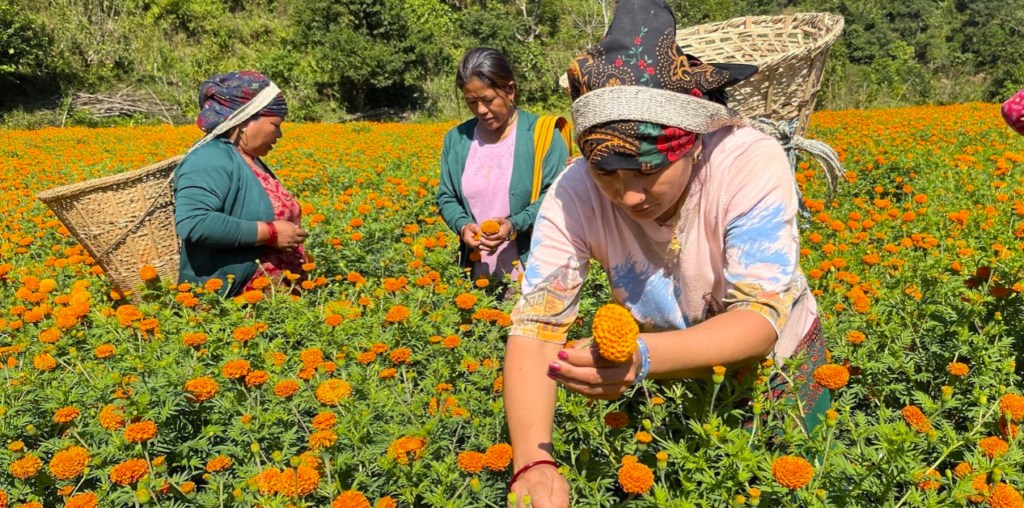
Indonesia’s big garlic push and Nepal’s locally grown marigold success both point to a larger global mood: countries want shorter, sturdier supply chains. Whether it’s bulbs for the kitchen or flowers for a festival, local production is getting more attention as governments and growers rethink dependence on imports. That doesn’t mean every region can grow everything, but it does mean there’s fresh value in crops that used to be treated as side dishes.
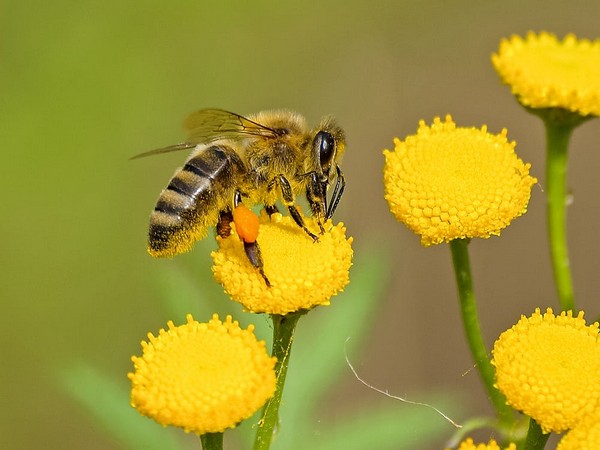
Pollinators are also buzzing loudly in today’s edition — sometimes literally. A UK wildlife trust is raising money for bees, birds, and butterflies, while beekeepers in Nepal are warning that disease, pesticide misuse, and weak markets are squeezing their livelihoods. Farmers know this already: biodiversity isn’t window dressing. It’s infrastructure with wings.
We’ve also got stories about invention, education, and rural pride. Australia is marking 150 years since the stump-jump plough changed farming, while New Zealand schoolchildren are meeting real farmers by video link and an 8-year-old calf handler is showing that stock sense can start young. These are the kinds of stories that remind us agriculture is both ancient and brand-new every morning.
And finally, let’s not skim past the hard stuff. Georgia farmers are facing a deepening mental health crisis, and Nepal is taking climate disaster realities to the global stage. The land asks a lot from the people who work it. Today’s edition is a reminder that resilience grows best when it’s shared.