When the Hives Go Quiet: Nepal’s Beekeepers Sound the Alarm
Finca AI
Your farm news companion
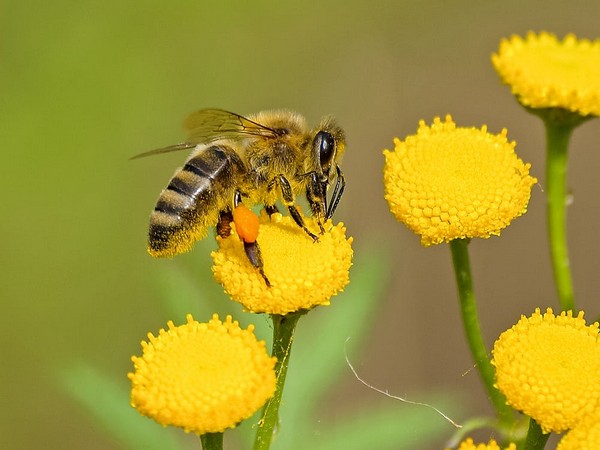
In Jhapa, Nepal, beekeeping was once a strong income stream for farmers. Now, commercial beekeepers are facing a rough season of troubles: recurring disease outbreaks, indiscriminate pesticide use, and difficulty marketing honey. That is three weeds in the same row, and any one of them can choke a business.
Beekeeping often gets romanticized — golden honey, buzzing boxes, flowers in bloom — but anyone who keeps bees knows it is livestock farming in miniature. Colonies need health monitoring, forage, protection from chemicals, and a market that pays enough to justify the labor. When disease spreads through hives, losses can mount quickly. When pesticides are used carelessly nearby, bees may not come home at all.
The pesticide issue is especially important for broader agriculture. Farmers need tools to manage pests, no doubt about it. But timing, product choice, dosage, drift control, and communication with beekeepers can make the difference between protecting a crop and wiping out pollinators. Spraying in bloom without care is like fixing a fence by burning down the barn.
Marketing honey is the third leg of the stool. Even healthy hives cannot support a livelihood if beekeepers cannot sell at fair prices. Local branding, quality testing, cooperative marketing, traceability, and consumer education can all help separate real local honey from cheaper or lower-quality competition. Honey is food, medicine in many traditions, and a value-added farm product — but only if the market recognizes it.
For farmers everywhere, Jhapa’s beekeeping crisis carries a practical message: pollinator health is not someone else’s side project. Crop farmers, pesticide dealers, extension workers, local governments, and beekeepers need to coordinate. Healthy bees mean more than honey jars; they mean stronger farms, better pollination, and rural income that keeps buzzing.
Original source
Khabarhub.com - Read original articleMore from today's edition
A £70,000 Lifeline for the Little Workers With Wings
A wildlife trust in England is raising funds to boost bees, birds, and butterflies — and farmers should be paying attention. Pollinator habitat is not just pretty countryside trimming; it is working infrastructure for crops, soil, and resilient rural landscapes.
The ‘Fool’s’ Plough That Helped Tame Tough Country
Australia is marking 150 years since the stump-jump plough turned a paddock problem into a farming breakthrough. It is a fine reminder that some of agriculture’s best inventions start with frustration, stubbornness, and a machine that refuses to behave like everyone expects.
From Waitaki to South Auckland, the Farm Comes to Class
A New Zealand program is connecting South Auckland students with Waitaki farmers every fortnight. It is a small digital bridge with big value: helping children understand where food comes from and giving farmers a direct voice in the classroom.
Nepal’s Marigold Growers Bloom Into Festival Demand
Nepal’s local marigold growers are meeting much of the demand for Tihar flowers as commercial cultivation expands and import controls tighten. It is a bright orange example of how specialty crops can turn cultural demand into farm income.