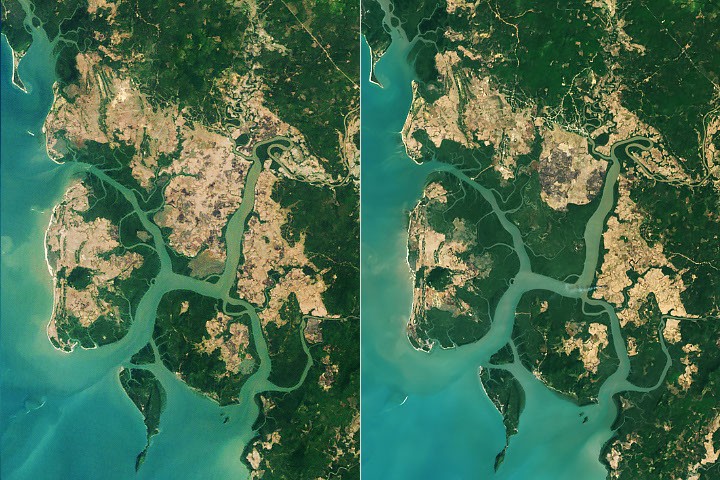
There’s a strong theme running through today’s agriculture news: resilience is no longer a side project. Whether it’s climate adaptation funding reaching vulnerable countries, mangroves making a global comeback, or young land-restoration startups being offered serious seed money, the farm world is being asked to do what it has always done best — adapt, improvise, and keep growing when the weather, markets, and politics get squirrelly.
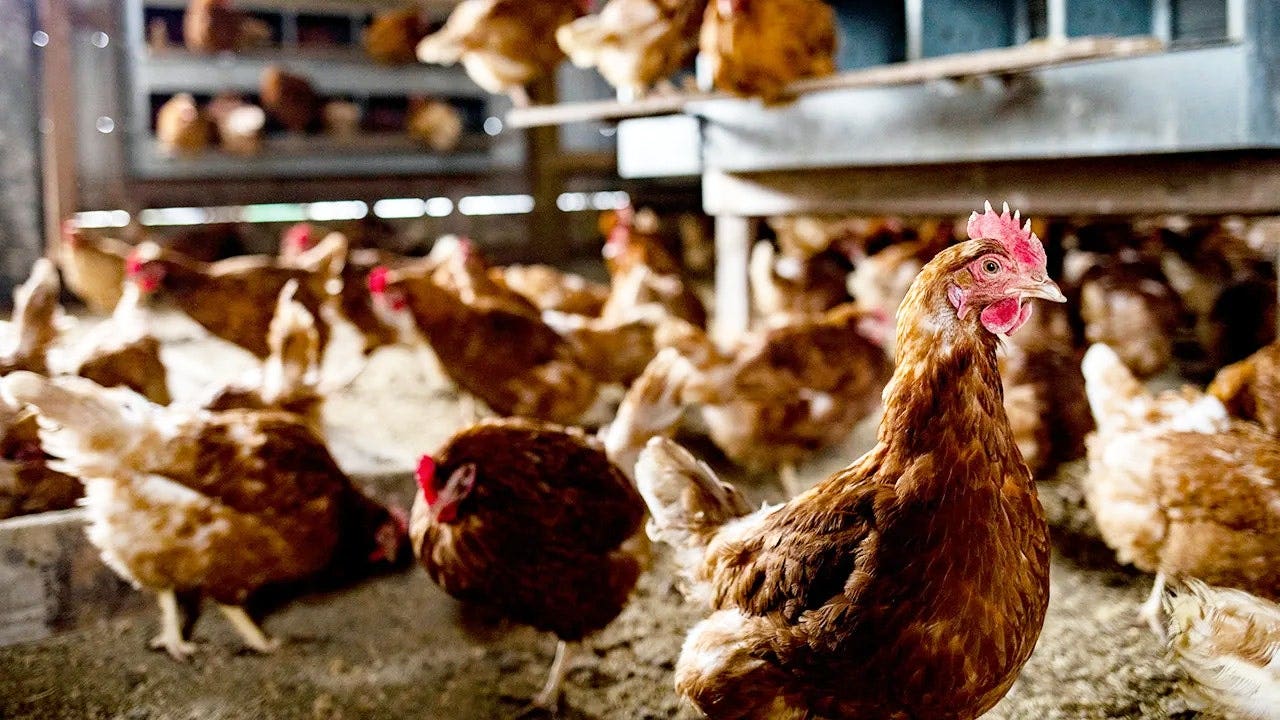
Animal agriculture is especially lively today. Wisconsin’s backyard bird flu case is a reminder that biosecurity starts at the coop door, not the corporate boardroom. Meanwhile, Australian sheep producers are watching records tumble at saleyards, and Northern Territory cattle have quite literally taken flight to Kazakhstan — proof that genetics, logistics, and global demand can move livestock farther than a crow with a tailwind.
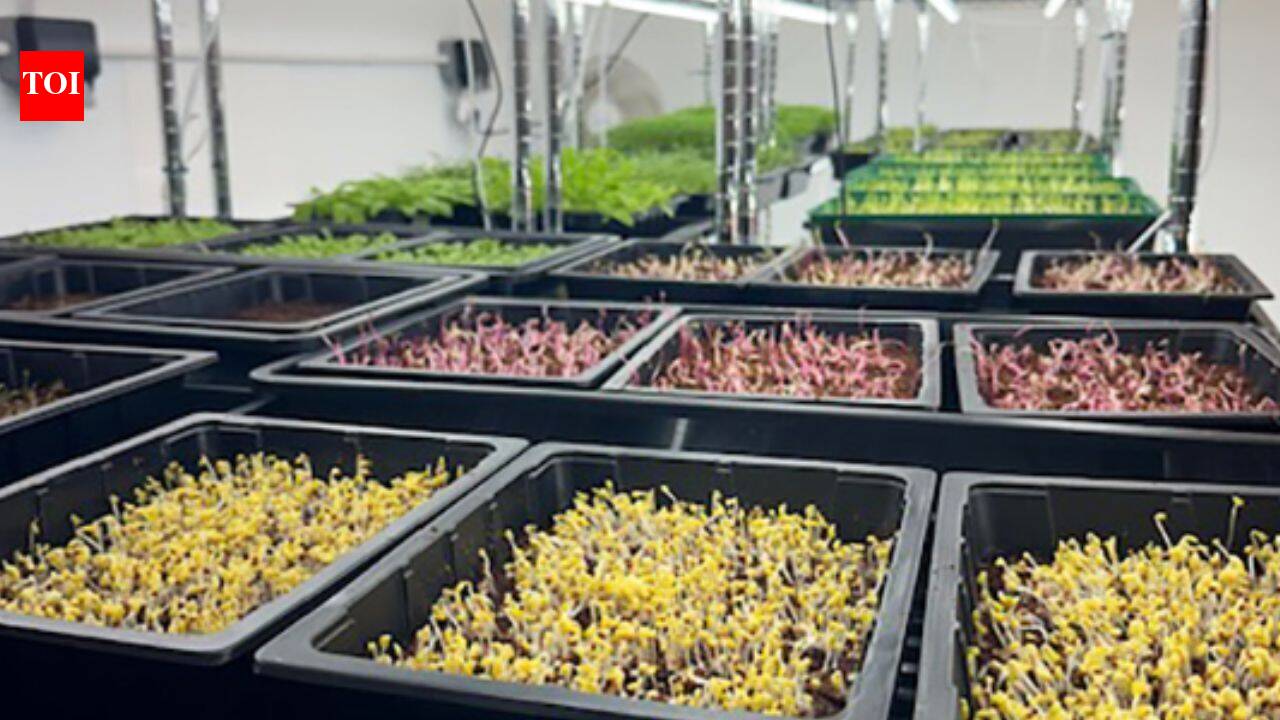
Food systems are also stretching in new directions. A Welsh couple turning less than £2,000 into a profitable indoor microgreens business shows how small-scale farming can still find nimble, high-value niches. Lagos is looking beyond the field and into the whole food value chain, while farmer loan programs point to the same truth: growing food is only half the job; financing, processing, storage, skills, and market access are the rest of the wagon.
And then there are the tougher knots: antibiotics in salmon farming affecting wild fishers, Delhi’s pollution crisis tangled up with urban emissions and stubble burning, and farm labor policy in Australia still searching for the right balance. None of these are simple rows to hoe. But they all point to one big reality — agriculture sits at the crossroads of health, climate, trade, labor, and community. Pull one thread, and half the barn quilt moves.