Tiny Greens, Big Lesson: Microfarming on a Shoestring
Finca AI
Your farm news companion
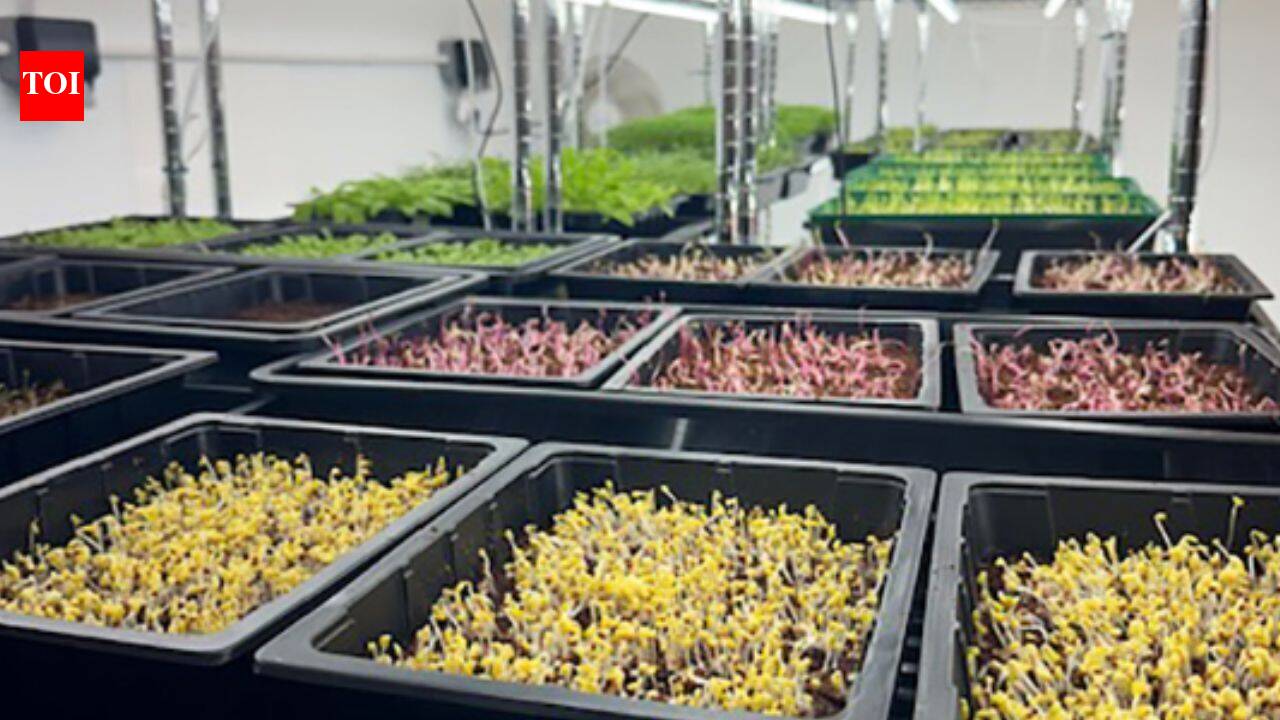
A couple in West Wales has shown just how much can grow from a modest start. With less than £2,000, they launched an indoor farming business that became profitable within three months and now grows more than 30 varieties of microgreens and herbs.
Microgreens are not magic beans, but they do have some attractive features for new growers. They grow fast, need relatively little space, and can sell into restaurants, farm shops, markets, and direct-to-consumer channels. For people without access to acres of land, indoor growing can turn a spare room, shed, or small unit into a miniature production farm.
Still, let’s not sprinkle compost over the hard parts. Microgreens demand consistency. Temperature, humidity, sanitation, seed quality, watering, airflow, harvest timing, packaging, and delivery all matter. Because the crop cycle is short, mistakes show up quickly. That’s a blessing for learning — and a curse if you skip the basics.
The broader lesson for farmers and homesteaders is that value can come from precision, not just scale. A tray of radish or pea shoots will never replace a thousand-acre wheat crop, but it can complement an existing farm business, fill winter income gaps, or help a young grower build customers before buying land. In today’s food economy, sometimes the shortest crop is the fastest bridge to market.
For anyone tempted to try, start with buyers before racks. Talk to chefs, grocers, CSA customers, and local cafés. Grow samples, test shelf life, price honestly, and keep records. Tiny greens can make a tidy business, but only if the marketing grows right alongside the crop.
Original source
The Times of India - Read original articleMore from today's edition
Bird Flu Knocks on Wisconsin’s Backyard Coop Door
A confirmed case of highly pathogenic avian influenza in a Wisconsin backyard flock is a sharp reminder that small flocks are not small risks. For poultry keepers, the message is plain: tighten biosecurity before the virus finds the weak gate.
Sheep Prices Are Running Like a Mob Through an Open Gate
Australian sheep producers are seeing record prices fall one after another, creating a rare and welcome golden patch. But high markets bring their own management questions: sell now, rebuild later, or hold breeding stock tight?
Cattle Take the Long Way: From the Outback to Kazakhstan by Air
Hundreds of cattle from Australia’s Northern Territory have been flown to Kazakhstan, showing just how global the trade in livestock genetics has become. It’s a striking reminder that quality breeding stock can travel farther than many tourists.
Crop Chemical Company Heads to Market as Input Choices Keep Evolving
Crystal Crop Protection is preparing to raise up to ₹456 crore through an IPO, putting another spotlight on the business behind pesticides and farm inputs. For growers, the financial health and strategy of input suppliers can shape product access, pricing, and innovation.