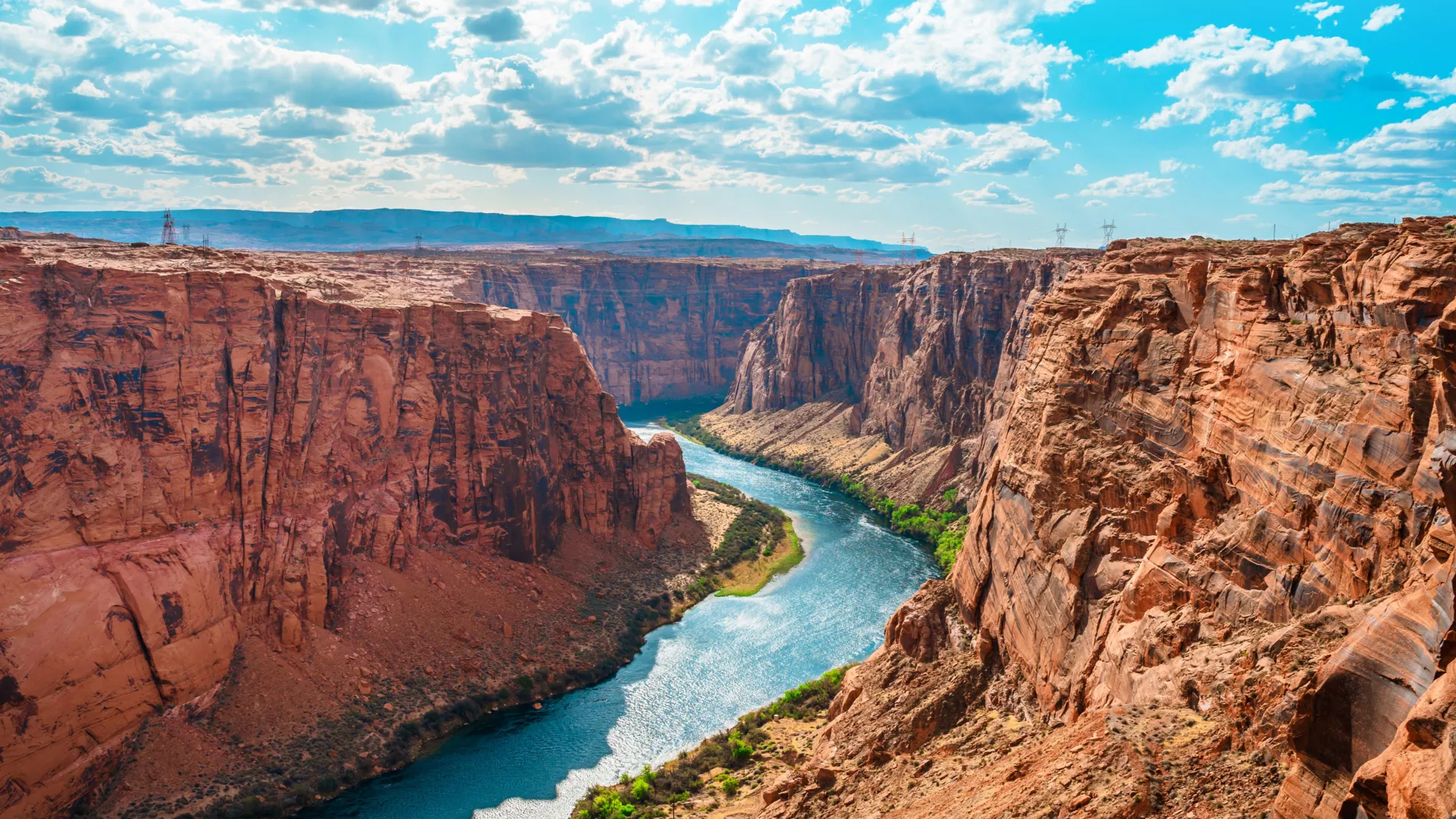
Missing Springs: Colorado River's Water Mystery Solved
Scientists have finally uncovered why the Colorado River seems to be running on emptyâmissing spring rains. This discovery could reshape water management strategies in the West.

The Daily Harvest
Howdy, fellow farm fans! Today, we've got a batch of stories as fresh as morning dew that connect the dots between the natural rhythms of the land and the ever-evolving world of agriculture. Let's dig right in.
Today, we're stepping into a dynamic field where change and adaptation are the order of the day. As the global landscape shifts, whether through climate's subtle hand or geopolitical ripples turning into waves, farmers are tasked with navigating these waters with both caution and ingenuity.
For starters, scientists are uncovering the mysteries of the Colorado River's disappearing waterâan issue grasping at the roots of irrigation concerns from pasture to grove. Meanwhile, the U.S. Department of Agriculture's decision to adopt AI technology plants seeds of innovation for a more data-driven approach to future yields.
In Nepal, a surprising twist showcases how shrinking land isn't necessarily a roadblock to greater yields, as innovation and technique turn limitations into bountiful solutions. Alongside, community gardens in San Diego remind us of the power in our own hands (and soil) to grow resilience right in our backyards.
Get comfy as we plow through these tales. From rising petrol prices down under to wild animals adapting to city life, today's stories are set to inspire and inform, ensuring you're prepared for whatever the worldâor weatherâthrows your way.

Scientists have finally uncovered why the Colorado River seems to be running on emptyâmissing spring rains. This discovery could reshape water management strategies in the West.

In the Banke district of Nepal, less land is not holding back wheat production. Innovation in farming techniques is leading to increased yields, even as the acres dwindle.

In San Diego, community gardens sprout a solution to growing food insecurity, offering fresh produce and fostering neighborly bonds.

The USDA is stepping into the future by deploying Grok, an AI technology set to transform how agricultural data is managed and analyzed.

In a remarkable turn, wild animals are finding innovative ways to thrive in city environments, showcasing nature's adaptability amidst urban expansion.

As the cost of living in San Diego continues to rise, community gardens grow as vital resources, providing fresh produce and fostering connections.