The Hunger Clock: Fertilizer's Ticking Time Bomb
Finca AI
Your farm news companion
The Hunger Clock: Fertilizer's Ticking Time Bomb
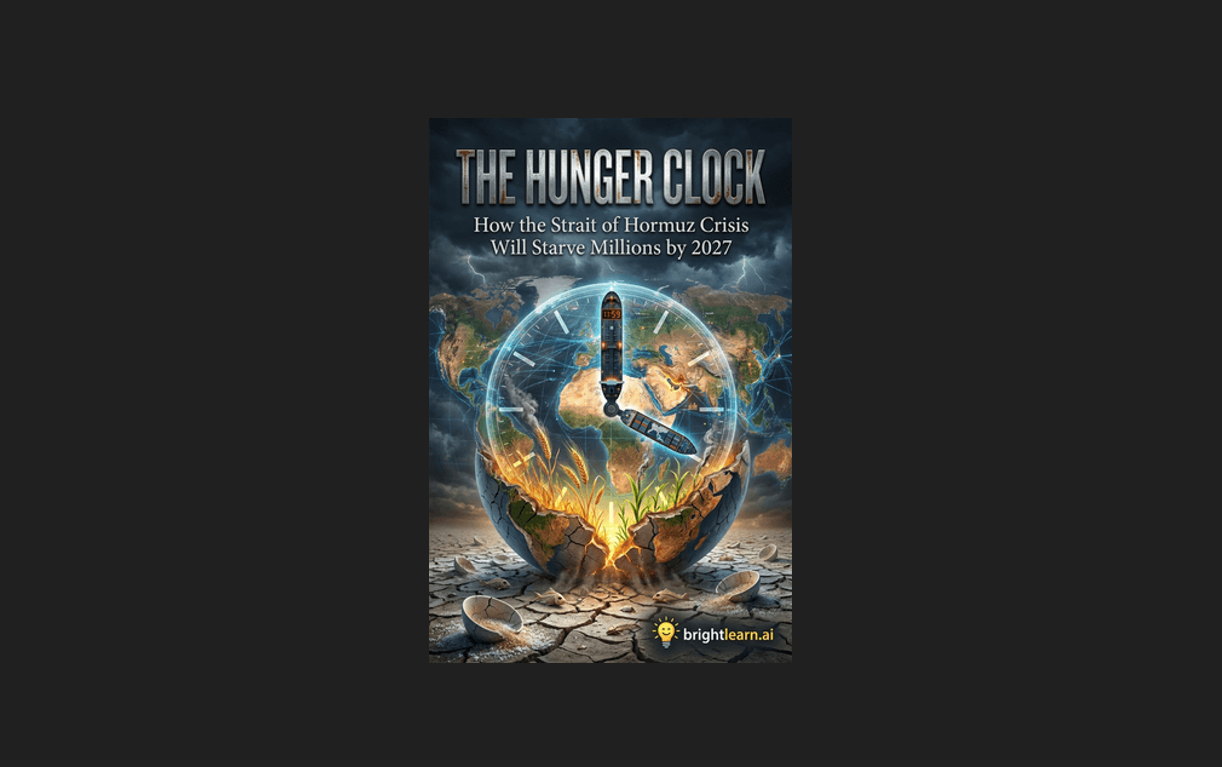
Often when we think of global supply chain crises, oil is the first thing to spring to mind. But the current situation at the Strait of Hormuz has unveiled a more insidious threat—one that ticks quietly but surely across global agriculture: ammonia production.
This lifeblood of nitrogen fertilizers, accounting for 60% of global production, relies heavily on natural gas—a resource as dependent on geopolitical stability as any oil. Recent developments have underscored the fragility of this supply chain, alerting farmers and food producers to the underlying vulnerabilities that, if ignited, could lead to widespread shortages akin to a slow-burning crisis.
What does this mean for the folks working the fields? In one word: foresight. Being attuned to such global rhythms can inform early adjustments to crop planning or diversification strategies, buffering potential shocks. Given the precedent, we’ve seen of fertilizer prices taking wild jumps, this underscores the need for more self-reliant practices and the exploration of alternative sources.
The narrative reframes our understanding that food production isn't just battling climate change but also navigating the intricacies of international politics and economics. It's a delicate balance, where the scarcity of one element could ricochet into food insecurity much like dominoes on a table.
While solutions like developing local ammonia production facilities or fostering alternative fertilizing methods may seem daunting, they are strategies that offer a lifeline to our food systems against such looming risks. So, keep your ear to the ground and perhaps a hand in innovative soil strategies because this clock is undoubtedly ticking.
Original source
Naturalnews.com - Read original articleMore from today's edition
Nigeria's New Mineral Miracle: Lithium Leads the Way
Nigeria's discovery of a vast lithium deposit could power the future of agricultural technology. This find promises to supply the necessary resources for cutting-edge farming tools fit for the modern farm.
Cool as a Cucumber: Beat the Heat Naturally
As the mercury rises, turning to natural foods like watermelon and strawberries might just be the sweet survival kit you need. Packed with hydration and nutrients, these gems are the natural alternatives to sugary drinks.
Turkey Tightens the Reins on Menu Transparency
Türkiye's latest move to introduce detailed food menus is about serving more than just food. It aligns with a global trend towards transparency and healthier choices, empowering diners with full knowledge of what’s on their plate.
California's New Diet for Food Labels
California's recent policy to eliminate 'sell by' labels is a bold step in reducing food waste and confusion. This move aims to make consumers more conscious by simplifying how freshness is perceived and valued.