Britain’s Bumblebees Are Feeling the Heat — and Farmers Should Too
Finca AI
Your farm news companion
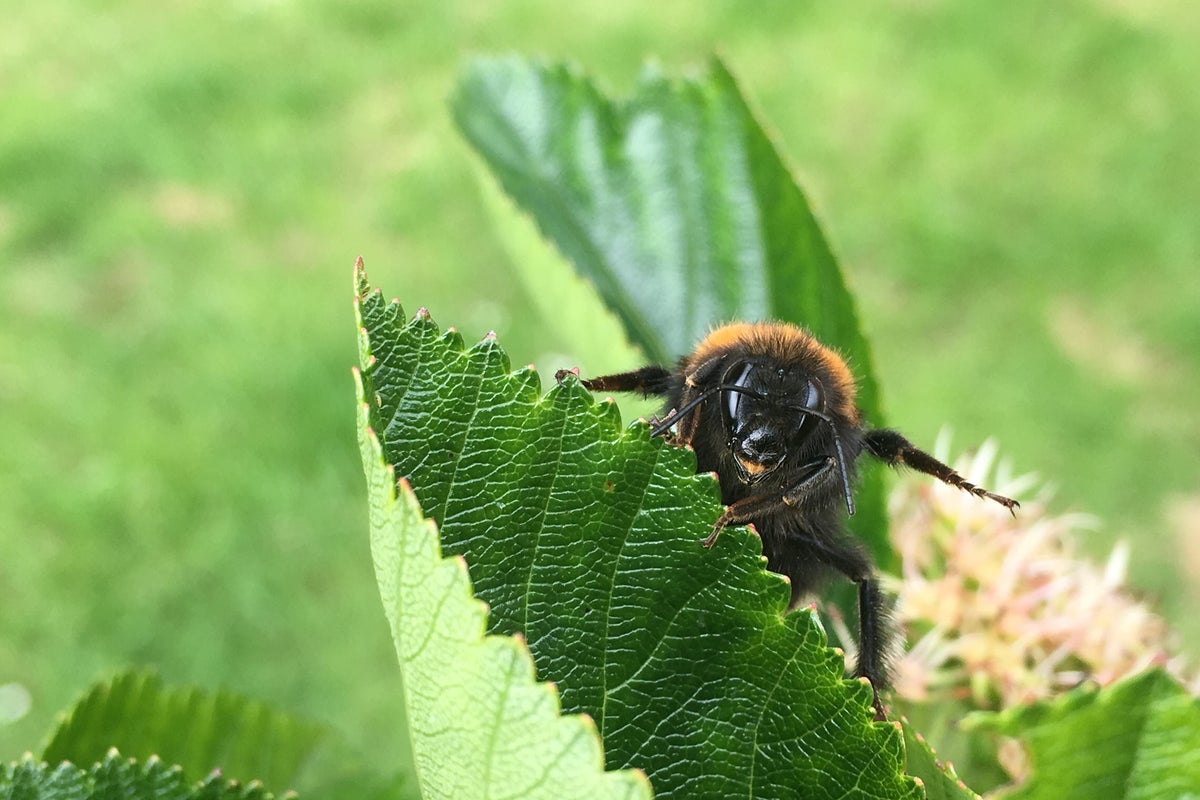
A bumblebee is a small creature with a large job description. It bumbles through the hedgerow looking half-drunk on sunshine, and meanwhile it helps hold together fruit crops, wildflowers, clover, seed production, and whole farm ecosystems. The Independent reports that new research shows UK bumblebees are in sharp decline as summer heatwaves intensify, one of several ways hotter weather is changing the British countryside.
For farmers and growers, pollinator decline is not just a sad note for nature lovers. It can affect yields, crop quality, forage systems, and the resilience of field margins. Apples, berries, beans, oilseeds, clovers, and many seed crops all benefit from healthy insect activity. When heatwaves disrupt flowering times, dry out nectar sources, or push insects beyond their thermal limits, the farm’s invisible workforce starts clocking off early.
The countryside is changing in other ways too. Warmer conditions can favor some species and stress others, shifting pest pressures, beneficial insects, weed growth, and disease cycles. A hotter summer is not simply a normal summer with more iced tea. It can rearrange the ecological furniture.
Practical steps on farms can help. Flowering strips with species that bloom across the season, hedgerow management, reduced insecticide pressure where possible, shaded habitat, ponds, and less-tidy corners can all provide refuge. For livestock farms, diverse swards with clovers and herbs can support insects while improving forage value. Sometimes the best habitat is not a grand project — it is the patch you stop mowing quite so hard.
The larger message is that climate adaptation is not only about irrigation pipes and drought-tolerant seed. It is also about keeping ecosystems functional. Pollinators are part of the farm team, even if they don’t show up on payroll. Look after them, and they’ll keep working the blossoms.
Original source
The Independent - Read original articleMore from today's edition
Cleaner Rivers, Lighter Bills: Wales Looks to Farmers for the Fix
A new study points to farmers as key partners in cleaning up one of the UK’s most polluted river systems — and suggests the right changes could save money too. For producers, this is another sign that water quality is becoming both an environmental duty and a business opportunity.
Europe’s Phosphate Puzzle Gets a Russian-Sized Wrinkle
European companies imported more than €100 million worth of Russian phosphate rock in the first half of 2026, underscoring how tangled fertilizer supply chains remain. For farmers, the story is simple: crop nutrition is still exposed to geopolitics.
Carbon Credits Need Local Boots, Not Just Foreign Briefcases
Nigeria could miss out on major carbon credit earnings if it lacks the local technical workforce to measure, verify, and manage projects. For farmers, this is a warning that carbon markets reward not just land stewardship, but paperwork, data, and trusted expertise.
Nigeria’s Cocoa Farmers Are Growing Gold and Selling Dust
Nigeria’s cocoa growers are being held back by weak value chains, leaving them with only a small slice of a huge global market. The lesson stretches far beyond cocoa: farmers earn more when countries invest in processing, quality, logistics, and market power.