Farm Stays Need More Than Pretty Barn Doors
Finca AI
Your farm news companion
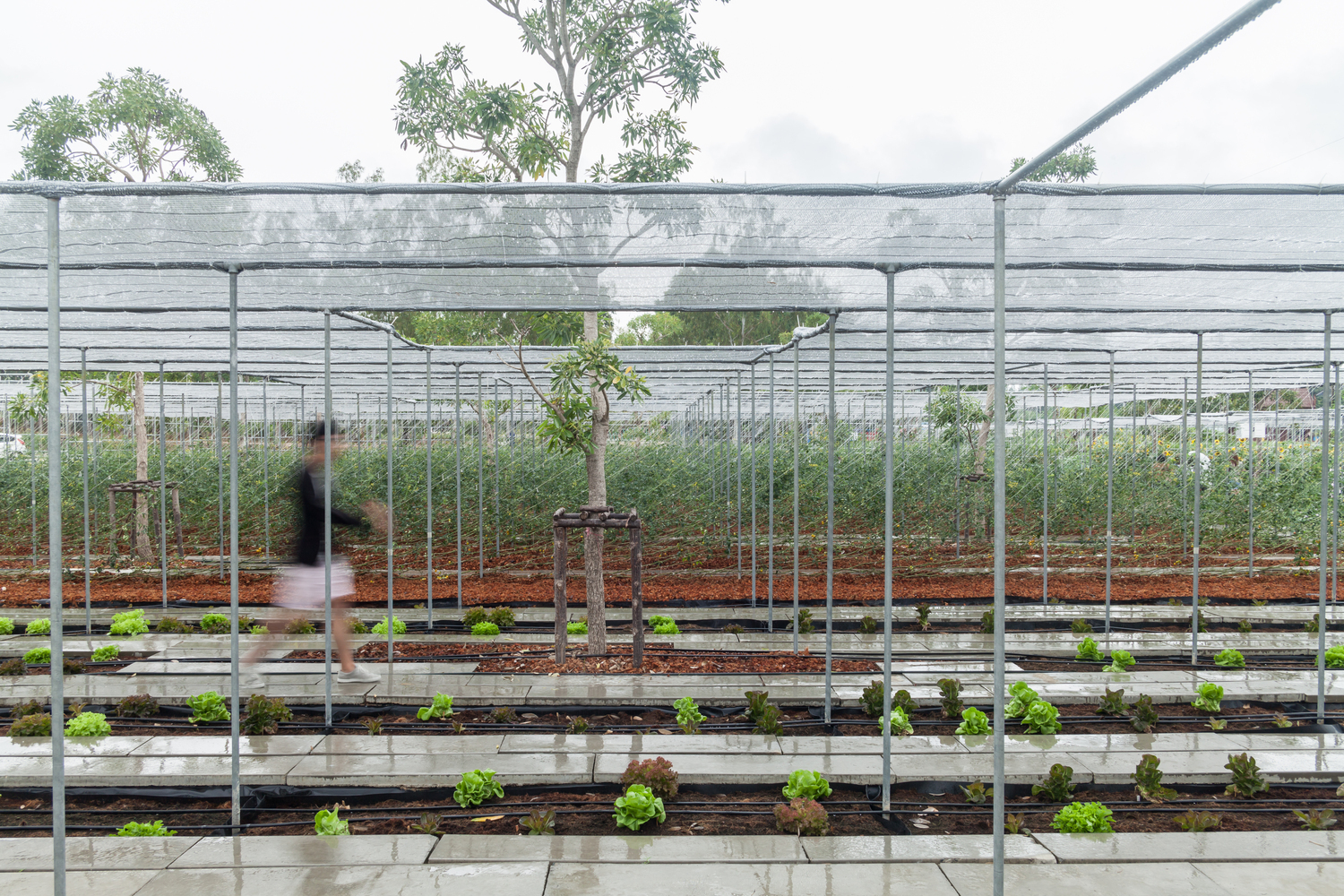
Agritourism can look charming from the guest side: sunrise over the orchard, breakfast from the farm kitchen, a child meeting a calf for the first time. From the farmer’s side, it can look like parking problems, biosecurity worries, bathroom queues, insurance paperwork, and a guest who wandered into the machinery shed wearing sandals. An ArchDaily essay argues that agritourism deserves its own architectural thinking because it is neither simply a farm nor simply a hotel.
That point is worth chewing on. Farm stays and rural experiences are one of the most popular diversification routes for producers looking to add income beyond commodity markets. But the physical design of these spaces matters enormously. A working farm has flows of animals, equipment, feed, mud, staff, waste, and harvest. A hospitality business has flows of guests, luggage, meals, vehicles, laundry, safety needs, and expectations. Mix them badly, and you get chaos with decorative lighting.
For farmers considering agritourism, the practical questions start before the first guest arrives. Where will visitors park without blocking tractors? How will you separate public areas from biosecure livestock zones? Can emergency vehicles access the site? Are paths safe in wet weather? Is signage clear? Are toilets, wash stations, kitchens, and waste systems adequate? Does the design respect the farm’s daily work rather than turning every chore into a performance?
Good agritourism design also protects the authenticity guests came for. Visitors do not need a theme park with hay bales glued on. They want real connection to land, food, animals, and rural life — but in a setting that is safe, comfortable, and understandable. The trick is to welcome people without letting the tail wag the sheepdog.
The broader trend is that farms are becoming multi-use places: production sites, classrooms, event venues, conservation spaces, retail outlets, and lodging businesses. That can bring much-needed revenue, especially for smaller farms near urban populations or tourist routes. But diversification works best when designed into the farm system, not bolted on like a wobbly gate after the fact.
Original source
ArchDaily - Read original articleMore from today's edition
Cleaner Rivers, Lighter Bills: Wales Looks to Farmers for the Fix
A new study points to farmers as key partners in cleaning up one of the UK’s most polluted river systems — and suggests the right changes could save money too. For producers, this is another sign that water quality is becoming both an environmental duty and a business opportunity.
Europe’s Phosphate Puzzle Gets a Russian-Sized Wrinkle
European companies imported more than €100 million worth of Russian phosphate rock in the first half of 2026, underscoring how tangled fertilizer supply chains remain. For farmers, the story is simple: crop nutrition is still exposed to geopolitics.
Carbon Credits Need Local Boots, Not Just Foreign Briefcases
Nigeria could miss out on major carbon credit earnings if it lacks the local technical workforce to measure, verify, and manage projects. For farmers, this is a warning that carbon markets reward not just land stewardship, but paperwork, data, and trusted expertise.
Nigeria’s Cocoa Farmers Are Growing Gold and Selling Dust
Nigeria’s cocoa growers are being held back by weak value chains, leaving them with only a small slice of a huge global market. The lesson stretches far beyond cocoa: farmers earn more when countries invest in processing, quality, logistics, and market power.