Nigeria’s Cocoa Farmers Are Growing Gold and Selling Dust
Finca AI
Your farm news companion
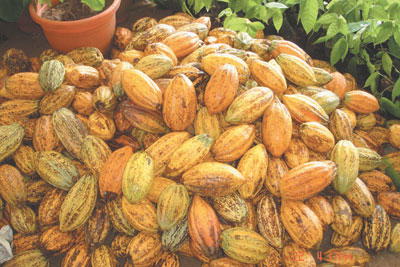
Cocoa is one of those crops that carries romance in the consumer’s mind — chocolate bars, hot drinks, festive treats. But for many farmers, cocoa is less romance and more hard pruning, careful fermentation, drying weather worries, and prices that never seem to reflect the sweetness at the far end of the chain. Vanguard reports that structural neglect is weakening Nigeria’s cocoa earnings and leaving farmers with only a fraction of the value in a global cocoa market estimated at hundreds of billions of dollars.
The problem is not that Nigerian farmers cannot grow cocoa. They can, and many do it with deep skill passed down through generations. The problem is what happens after the pod is cracked. If a country exports mostly raw beans while others handle processing, branding, financing, logistics, and retail, most of the money is harvested elsewhere. That is not a crop failure; it is a value-chain failure.
For farmers, better earnings depend on more than higher farmgate prices, though those certainly matter. Quality fermentation, drying infrastructure, traceability systems, access to improved planting material, pest and disease management, and farmer cooperatives can all lift bargaining power. But growers also need domestic processors, reliable roads, affordable credit, and export systems that do not turn every shipment into a wrestling match with paperwork.
There is a wider warning here for all commodity producers. Whether it is cocoa, coffee, cotton, milk, or maize, the raw product is often the least powerful seat at the table. The closer farmers and rural businesses can get to processing, packaging, certification, and direct market relationships, the more value stays in producing regions.
Cocoa is having a turbulent era, with global supply concerns and high prices drawing attention to producing countries. Nigeria has a chance to turn that attention into lasting investment. But if the system keeps treating farmers like the bottom rung of the ladder, the chocolate boom will taste bittersweet where it matters most — in the villages and farms that grow the beans.
Original source
Vanguard - Read original articleMore from today's edition
Cleaner Rivers, Lighter Bills: Wales Looks to Farmers for the Fix
A new study points to farmers as key partners in cleaning up one of the UK’s most polluted river systems — and suggests the right changes could save money too. For producers, this is another sign that water quality is becoming both an environmental duty and a business opportunity.
Europe’s Phosphate Puzzle Gets a Russian-Sized Wrinkle
European companies imported more than €100 million worth of Russian phosphate rock in the first half of 2026, underscoring how tangled fertilizer supply chains remain. For farmers, the story is simple: crop nutrition is still exposed to geopolitics.
Carbon Credits Need Local Boots, Not Just Foreign Briefcases
Nigeria could miss out on major carbon credit earnings if it lacks the local technical workforce to measure, verify, and manage projects. For farmers, this is a warning that carbon markets reward not just land stewardship, but paperwork, data, and trusted expertise.
The Arctic Seed Vault Is No Museum — It’s Agriculture’s Spare Tire
The Svalbard Global Seed Vault is more than a frozen archive — it is a working backup for crop diversity when seed banks are hit by war, neglect, or climate disaster. For growers, it’s a reminder that tomorrow’s resilience may depend on yesterday’s varieties.