The Arctic Seed Vault Is No Museum — It’s Agriculture’s Spare Tire
Finca AI
Your farm news companion
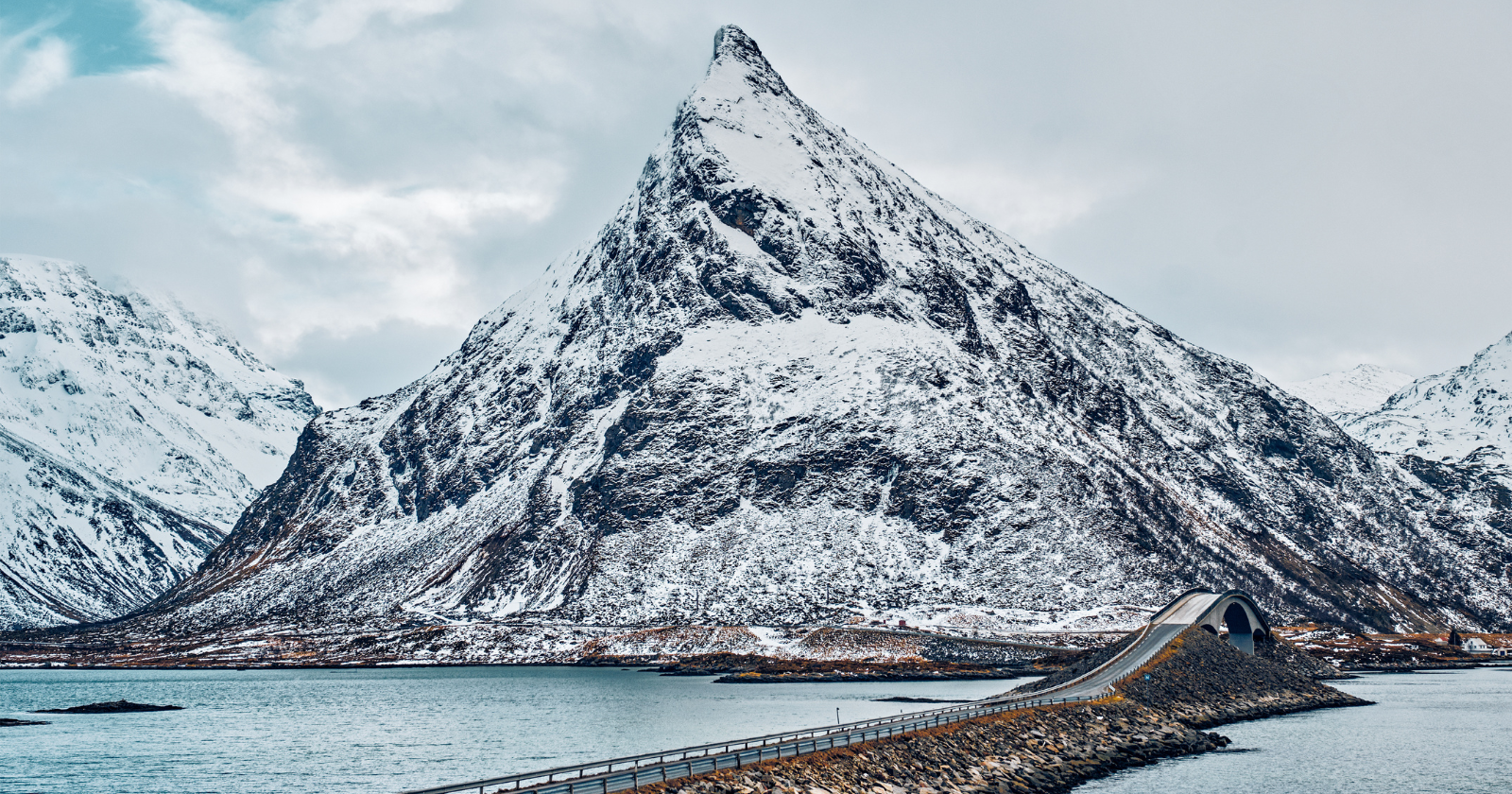
Deep inside a frozen mountain in Norway sits one of agriculture’s quiet miracles: seeds from food crops around the world, stored not as museum pieces but as backup copies for humanity’s pantry. Space Daily’s look at the Svalbard Global Seed Vault reminds us that this icy storehouse is not science fiction. It has already served as a safety net when other seed collections were threatened by catastrophe.
Seed banks matter because crop diversity is the raw material of adaptation. When a new disease appears, a drought pattern shifts, or heat pushes a familiar variety past its comfort zone, breeders often look backward to move forward. An old landrace, a wild relative, or a locally adapted variety may carry the trait that keeps a future harvest alive.
For farmers, this may sound distant from daily decisions about planting dates and fuel costs. But the connection is direct. The varieties in today’s seed catalogs did not fall from the sky like spring rain. They came from generations of selection, breeding, and conservation. Lose the genetic library, and agriculture loses options — and options are what keep a farm standing when the weather decides to play rough.
The Svalbard vault also highlights a fragile truth: many national and regional seed banks face funding shortages, conflict, poor storage, and climate threats. A backup in the Arctic is valuable, but it should not be an excuse to neglect local seed systems. Farmers still need living seed networks, public breeding programs, community seed banks, and access to varieties suited to their soils and markets.
Think of Svalbard as agriculture’s spare tire. You hope you don’t need it, but when the road gets ugly, you’re grateful it’s there. In a century of climate swings and geopolitical surprises, crop diversity is not nostalgia — it is risk management with roots.
Original source
Space Daily - Read original articleMore from today's edition
Cleaner Rivers, Lighter Bills: Wales Looks to Farmers for the Fix
A new study points to farmers as key partners in cleaning up one of the UK’s most polluted river systems — and suggests the right changes could save money too. For producers, this is another sign that water quality is becoming both an environmental duty and a business opportunity.
Europe’s Phosphate Puzzle Gets a Russian-Sized Wrinkle
European companies imported more than €100 million worth of Russian phosphate rock in the first half of 2026, underscoring how tangled fertilizer supply chains remain. For farmers, the story is simple: crop nutrition is still exposed to geopolitics.
Carbon Credits Need Local Boots, Not Just Foreign Briefcases
Nigeria could miss out on major carbon credit earnings if it lacks the local technical workforce to measure, verify, and manage projects. For farmers, this is a warning that carbon markets reward not just land stewardship, but paperwork, data, and trusted expertise.
Nigeria’s Cocoa Farmers Are Growing Gold and Selling Dust
Nigeria’s cocoa growers are being held back by weak value chains, leaving them with only a small slice of a huge global market. The lesson stretches far beyond cocoa: farmers earn more when countries invest in processing, quality, logistics, and market power.