A Butterfly Haven Blooms Where the City Forgot to Mow
Finca AI
Your farm news companion
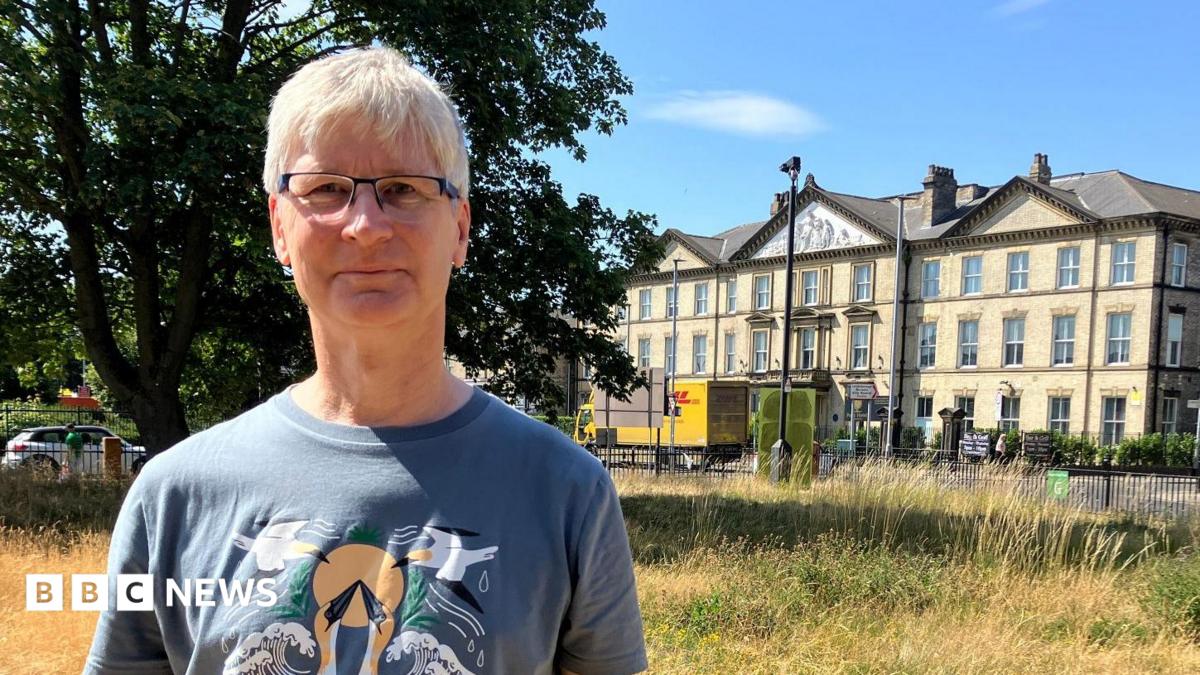
In Hull, a patch of city-center land has been allowed to grow wild, and butterflies have moved in like they found the county fair. The project is a reminder that habitat does not always need to be grand or expensive. Sometimes it starts with not mowing everything flat.
For farmers, the pollinator lesson is familiar but worth repeating. Insects need food across the season, shelter from disturbance, and connected places to move through the landscape. A blooming strip, rough corner, ditch bank, hedgerow, orchard floor, or field margin can do more good than its size suggests.
Urban habitat projects also help build public understanding. Many people are several generations removed from farming, but they can still understand butterflies on a vacant lot. That connection matters when agriculture asks for support on pollinator programs, pesticide stewardship, or conservation funding.
Of course, farms are not city parks. Producers have weeds to control, machinery to move, livestock to manage, and crops to protect. The trick is targeted wildness: putting habitat where it helps rather than hinders. Think field corners, riparian buffers, low-yield patches, lane edges, and awkward spots that already make the planter operator mutter.
The practical payoff can include pollination, beneficial insects, improved soil cover, water filtration, and a bit of beauty during long workdays. Not every acre needs to be polished like a kitchen table. Sometimes the scruffy patch is pulling its weight.
Original source
BBC News - Read original articleMore from today's edition
Grain Markets Catch Fire as Heat and War Rattle the Bin
Crop prices have climbed to their highest level in three years as heat waves and Black Sea conflict stir up fresh supply worries. For farmers, this is the kind of market weather that can bring opportunity, risk, and a few sleepless nights in equal measure.
Indonesia Says Its Pantry Is Filling From Its Own Fields
Indonesia says it has achieved self-sufficiency in eight strategic food commodities, a milestone with big implications for farmers, trade, and national food planning. In a world of jumpy markets and weather shocks, growing more of your own staples is becoming more than a slogan.
Europe Takes a New Look at Cow Burps, Kiwi-Style
The European Union’s livestock strategy is reportedly moving closer to New Zealand’s split-gas model, which treats methane differently from long-lived carbon dioxide. That may sound technical, but for cattle and sheep producers, the accounting method can change the whole policy pasture.
Old Hedges, New Lessons: Why Farm Boundaries Are Back in Fashion
Ireland’s hedgerows are getting a second look after decades of farm policies that encouraged removal in the name of efficiency. Today, those living fences are being recognized as shelterbelts, wildlife corridors, carbon stores, and quiet farm helpers.