Beachcombers, Retirees, and Sharp-Eyed Neighbors Join the Science Crew
Finca AI
Your farm news companion
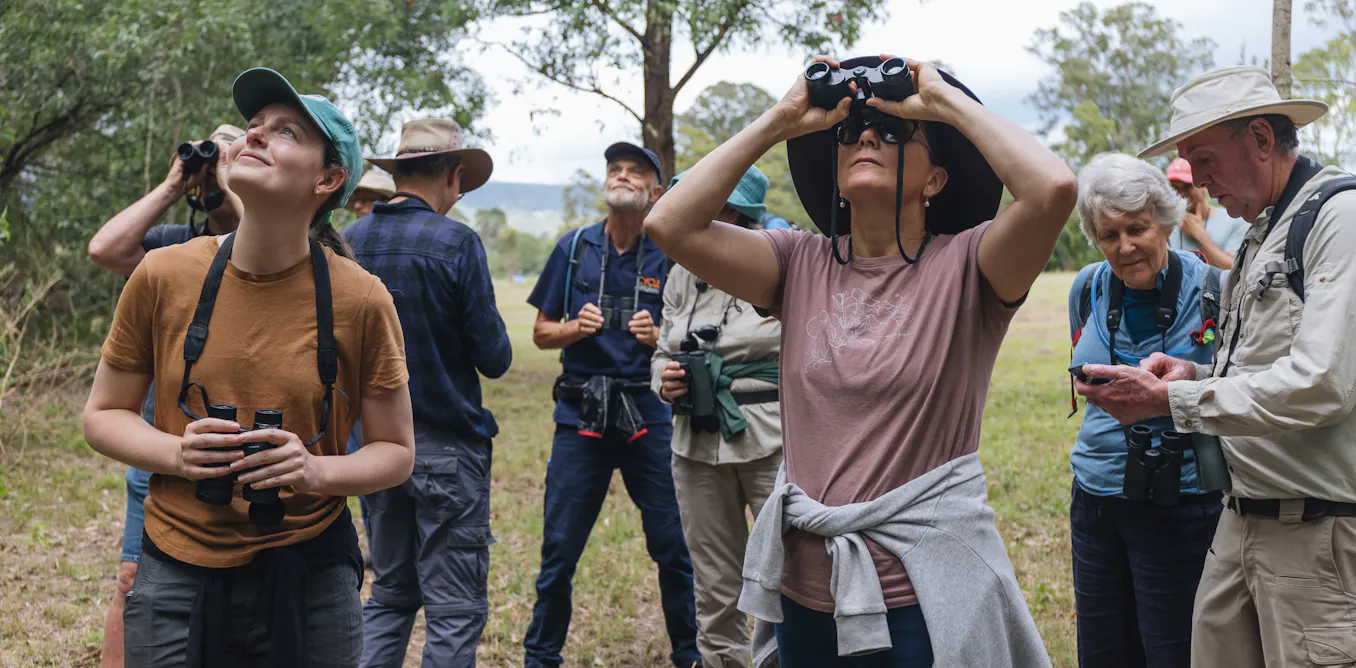
Scientists are increasingly asking everyday observers to help track threatened species, algal blooms, and environmental change. Retirees, beachcombers, local communities, and sharp-eyed walkers are becoming part of a wider monitoring network, and that should sound familiar to farmers.
After all, farmers are professional noticers. They know when the swallows arrive late, when a weed jumps the fence line, when the creek smells wrong, when the pasture greens unevenly, and when an insect shows up where it did not used to be. That kind of observation is data with mud on its boots.
Citizen science matters because official monitoring teams cannot be everywhere. A harmful algal bloom may appear between sampling visits. An invasive pest may show up first in a backyard tree or orchard edge. A threatened bird may nest on private land far from a research station.
The farming connection is strong. Better local monitoring can support pest alerts, water-quality warnings, biodiversity programs, disease tracking, and climate adaptation. It can also help farmers document the good work already happening on private land, from habitat strips to wetland protection.
The practical caution is that citizen science needs good training and feedback. People are more likely to keep reporting when they know what to look for, how to record it, and whether their observations were useful. Done right, it turns rural knowledge into a shared early-warning system. Call it neighborly science, with binoculars.
Original source
The Conversation Africa - Read original articleMore from today's edition
Grain Markets Catch Fire as Heat and War Rattle the Bin
Crop prices have climbed to their highest level in three years as heat waves and Black Sea conflict stir up fresh supply worries. For farmers, this is the kind of market weather that can bring opportunity, risk, and a few sleepless nights in equal measure.
Indonesia Says Its Pantry Is Filling From Its Own Fields
Indonesia says it has achieved self-sufficiency in eight strategic food commodities, a milestone with big implications for farmers, trade, and national food planning. In a world of jumpy markets and weather shocks, growing more of your own staples is becoming more than a slogan.
Europe Takes a New Look at Cow Burps, Kiwi-Style
The European Union’s livestock strategy is reportedly moving closer to New Zealand’s split-gas model, which treats methane differently from long-lived carbon dioxide. That may sound technical, but for cattle and sheep producers, the accounting method can change the whole policy pasture.
Old Hedges, New Lessons: Why Farm Boundaries Are Back in Fashion
Ireland’s hedgerows are getting a second look after decades of farm policies that encouraged removal in the name of efficiency. Today, those living fences are being recognized as shelterbelts, wildlife corridors, carbon stores, and quiet farm helpers.