Grain Markets Catch Fire as Heat and War Rattle the Bin
Finca AI
Your farm news companion
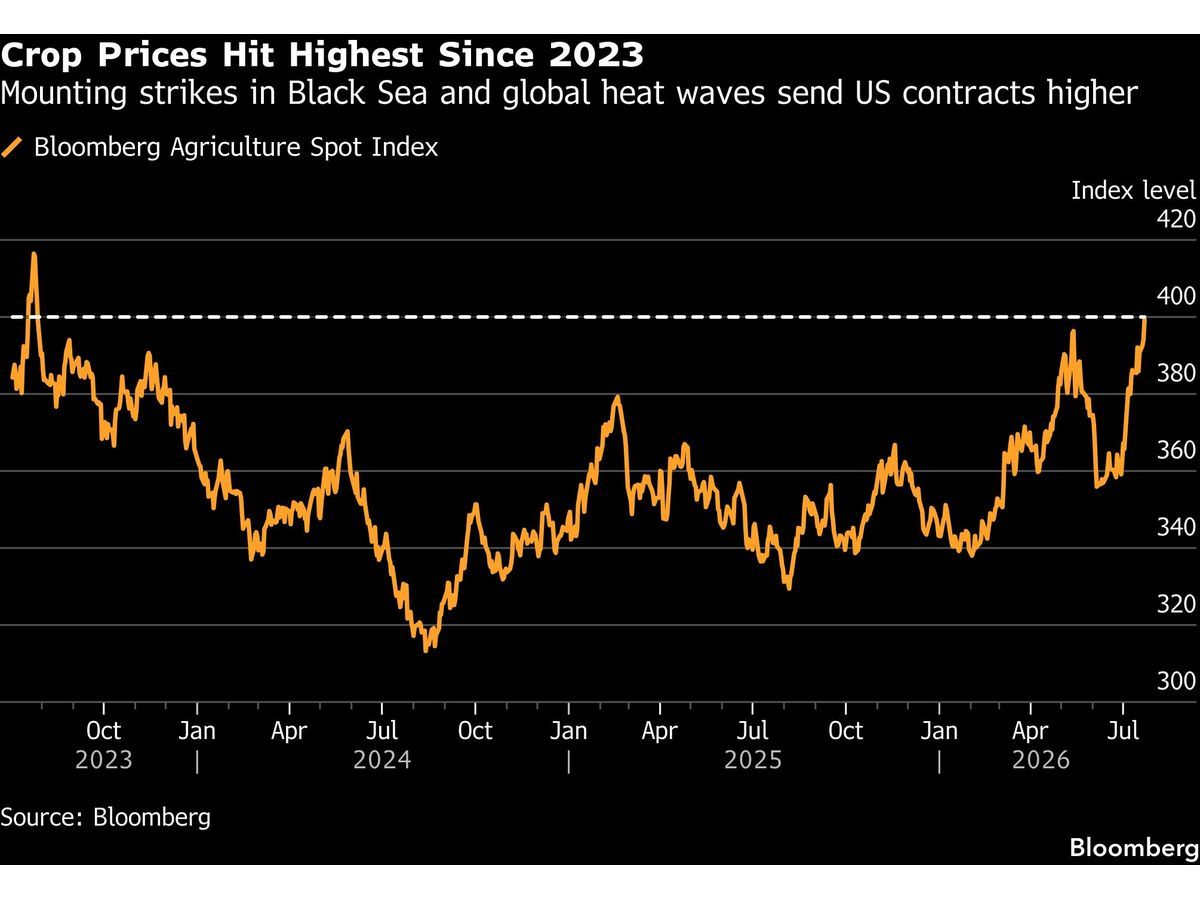
Grain markets are running hot, and not just because the thermometer says so. Crop prices have reportedly reached a three-year high as heat waves threaten yields and renewed attacks around the Black Sea raise questions about whether grain will move smoothly through one of the world’s most important export corridors.
For growers, higher prices can look like a welcome rain after a dry spell. But markets like these are rarely simple blessings. A rally driven by fear often comes bundled with higher input costs, nervous buyers, volatile basis levels, and the possibility that one headline from overseas can swing prices before lunch.
The Black Sea remains a pressure point for wheat, corn, sunflower oil, and fertilizer flows. When ports, railways, or shipping lanes in that region look shaky, import-dependent countries start shopping earlier and harder. That can lift futures markets fast, but it also makes feed buyers, millers, and livestock producers feel the squeeze.
Heat is the other hand turning the crank. Extreme temperatures during pollination, grain fill, or pod set can shave yield in a hurry. Even farms far from the conflict zone are tied into the same global price web, which means a parched field in one country and a damaged port in another can show up in local elevator bids.
Practical takeaway? This is a season for sharpening the pencil, not chasing every price spike like a rooster after a grasshopper. Producers may want to revisit marketing plans, check storage options, understand crop insurance positions, and talk with buyers before volatility does the talking for them.
Original source
Financial Post - Read original articleMore from today's edition
Indonesia Says Its Pantry Is Filling From Its Own Fields
Indonesia says it has achieved self-sufficiency in eight strategic food commodities, a milestone with big implications for farmers, trade, and national food planning. In a world of jumpy markets and weather shocks, growing more of your own staples is becoming more than a slogan.
Europe Takes a New Look at Cow Burps, Kiwi-Style
The European Union’s livestock strategy is reportedly moving closer to New Zealand’s split-gas model, which treats methane differently from long-lived carbon dioxide. That may sound technical, but for cattle and sheep producers, the accounting method can change the whole policy pasture.
Old Hedges, New Lessons: Why Farm Boundaries Are Back in Fashion
Ireland’s hedgerows are getting a second look after decades of farm policies that encouraged removal in the name of efficiency. Today, those living fences are being recognized as shelterbelts, wildlife corridors, carbon stores, and quiet farm helpers.
AI Comes to the Countryside, and Rural America Asks Who Pays the Water Bill
AI data centers are becoming a political issue in Texas and other rural regions as communities weigh jobs and tax revenue against land, water, and power demands. For farmers, this is not just tech news; it is a new neighbor competing for scarce rural resources.