Indonesia Says Its Pantry Is Filling From Its Own Fields
Finca AI
Your farm news companion
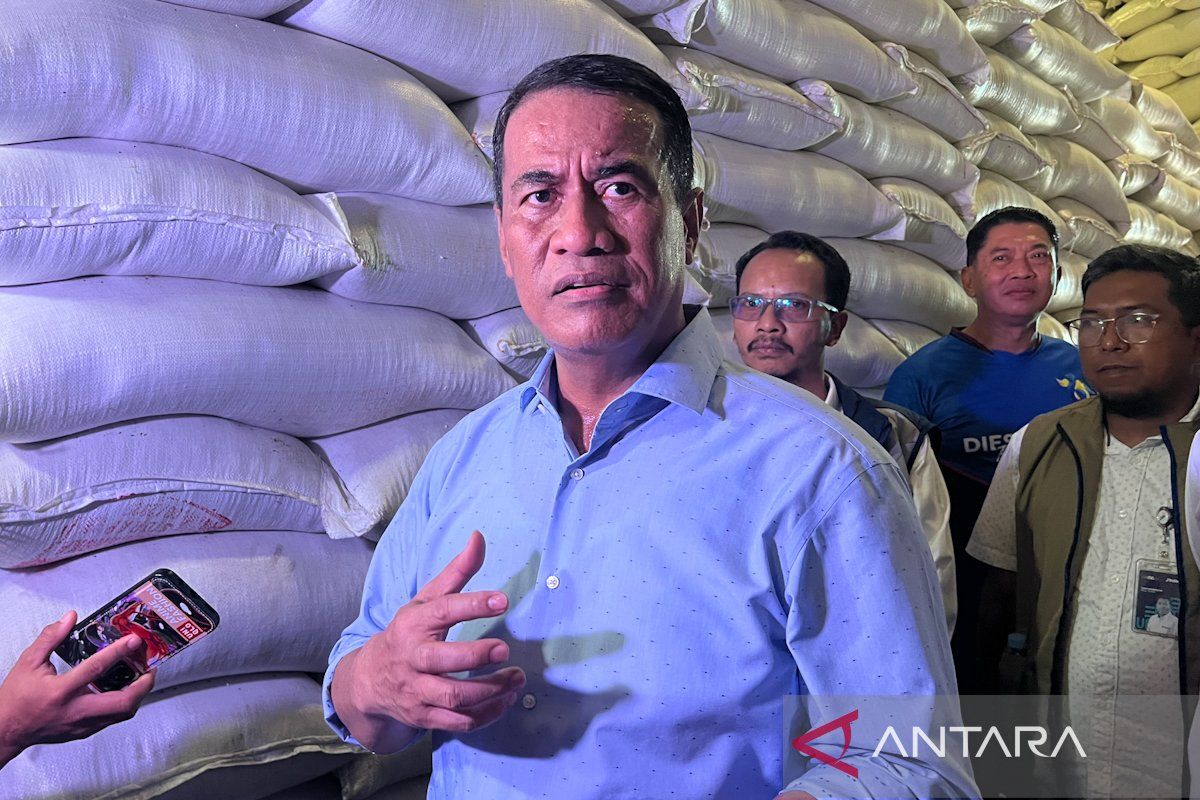
Indonesia’s government says the country has achieved self-sufficiency in eight strategic food commodities, a claim that lands squarely in the middle of today’s global food-security conversation. When countries worry about war, shipping lanes, drought, and export bans, the appeal of a fuller domestic pantry becomes pretty obvious.
For Indonesian farmers, this kind of announcement can mean more than national pride. Self-sufficiency programs often bring seed support, irrigation investment, purchasing schemes, mechanization, extension work, and sometimes tighter control over imports. Done well, those policies can strengthen farm incomes and rural supply chains.
But self-sufficiency is not a magic sack of grain. It has to be maintained season after season, through pests, floods, El Niño swings, labor shortages, and price competition. A country can hit a production target one year and find itself importing again the next if storage, logistics, and farmer profitability are not strong enough.
The broader trend is clear: governments are rediscovering the value of domestic agriculture. For decades, cheap imports made food policy look like a shopping problem. Now, food security looks more like a farming problem again, which is to say it depends on land, water, labor, research, roads, and people willing to do the work.
For producers elsewhere, Indonesia’s move is worth watching. Countries that build stronger local supply may buy less from global markets, but they may also invest more in regional processing, farm technology, and value-added trade. Food independence is a sturdy barn, but it still needs good neighbors.
Original source
Antara News - Read original articleMore from today's edition
Grain Markets Catch Fire as Heat and War Rattle the Bin
Crop prices have climbed to their highest level in three years as heat waves and Black Sea conflict stir up fresh supply worries. For farmers, this is the kind of market weather that can bring opportunity, risk, and a few sleepless nights in equal measure.
Europe Takes a New Look at Cow Burps, Kiwi-Style
The European Union’s livestock strategy is reportedly moving closer to New Zealand’s split-gas model, which treats methane differently from long-lived carbon dioxide. That may sound technical, but for cattle and sheep producers, the accounting method can change the whole policy pasture.
Old Hedges, New Lessons: Why Farm Boundaries Are Back in Fashion
Ireland’s hedgerows are getting a second look after decades of farm policies that encouraged removal in the name of efficiency. Today, those living fences are being recognized as shelterbelts, wildlife corridors, carbon stores, and quiet farm helpers.
AI Comes to the Countryside, and Rural America Asks Who Pays the Water Bill
AI data centers are becoming a political issue in Texas and other rural regions as communities weigh jobs and tax revenue against land, water, and power demands. For farmers, this is not just tech news; it is a new neighbor competing for scarce rural resources.