Indonesia Turns Trash Into Watts, With Lessons for Farm Country
Finca AI
Your farm news companion
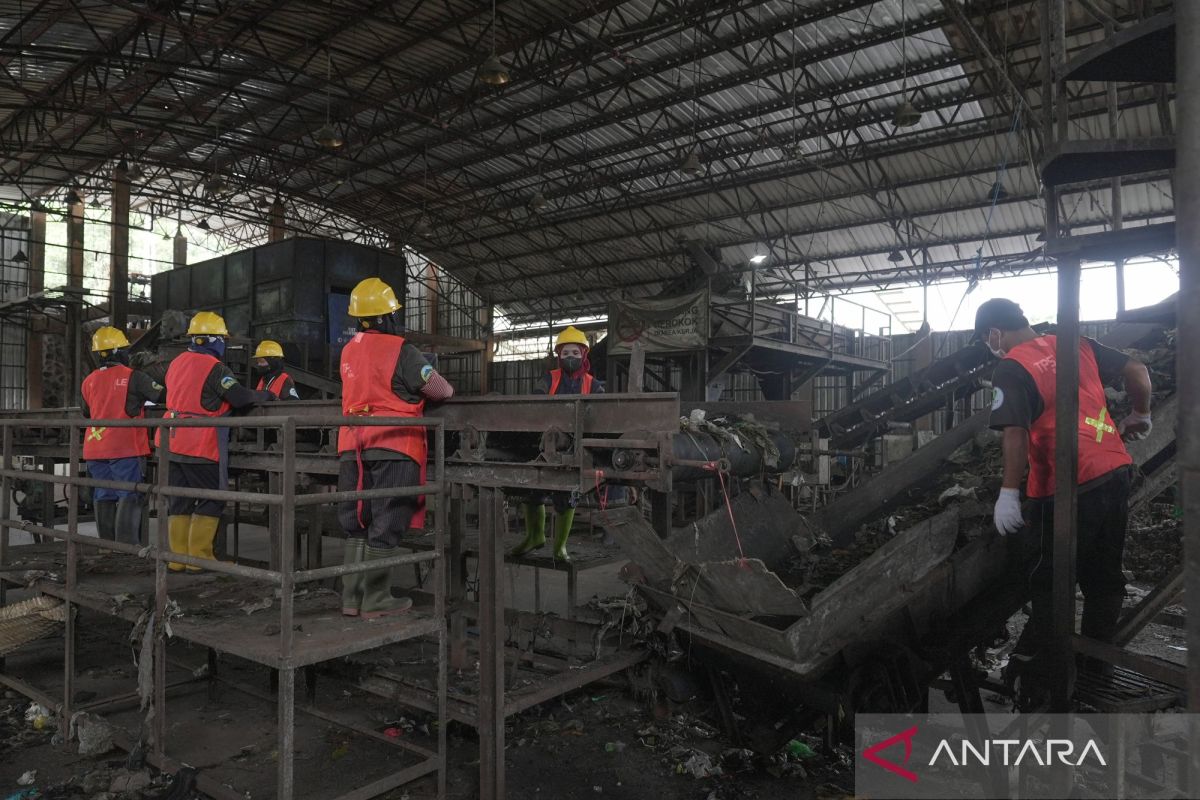
Indonesia is moving faster on waste-to-energy, using new regulation to turn garbage into power, value, and, ideally, cleaner cities. It is an urban story on the surface, but farm country should pay attention because waste streams do not stop at the city limits.
Food scraps, market waste, crop residues, manure, and processing byproducts are all part of the same circular-economy puzzle. Treated wisely, they can become compost, biogas, heat, electricity, animal feed ingredients, or soil amendments. Treated poorly, they become methane, odors, leachate, disease risks, and unhappy neighbors.
Waste-to-energy can be especially useful where landfills are overflowing and organic waste is producing emissions anyway. Anaerobic digestion, for example, can capture biogas while leaving behind digestate that may return nutrients to fields. But incineration-style systems can be more complicated for agriculture if valuable organic matter is burned rather than recycled.
That is the key farming question: are we extracting energy while keeping nutrients cycling, or are we mining fertility from one place and dumping ash in another? Soil does not run on electricity alone. It needs carbon, biology, minerals, and structure, the whole underground livestock herd.
For farmers and cooperatives, the opportunity may be in partnerships. Local governments need waste solutions; farms need energy options and nutrient sources. The best projects will be those that respect both sides of the ledger: clean power above ground and living soil below.
Original source
Antara News - Read original articleMore from today's edition
Grain Markets Catch Fire as Heat and War Rattle the Bin
Crop prices have climbed to their highest level in three years as heat waves and Black Sea conflict stir up fresh supply worries. For farmers, this is the kind of market weather that can bring opportunity, risk, and a few sleepless nights in equal measure.
Indonesia Says Its Pantry Is Filling From Its Own Fields
Indonesia says it has achieved self-sufficiency in eight strategic food commodities, a milestone with big implications for farmers, trade, and national food planning. In a world of jumpy markets and weather shocks, growing more of your own staples is becoming more than a slogan.
Europe Takes a New Look at Cow Burps, Kiwi-Style
The European Union’s livestock strategy is reportedly moving closer to New Zealand’s split-gas model, which treats methane differently from long-lived carbon dioxide. That may sound technical, but for cattle and sheep producers, the accounting method can change the whole policy pasture.
Old Hedges, New Lessons: Why Farm Boundaries Are Back in Fashion
Ireland’s hedgerows are getting a second look after decades of farm policies that encouraged removal in the name of efficiency. Today, those living fences are being recognized as shelterbelts, wildlife corridors, carbon stores, and quiet farm helpers.