The World’s Vegetable Basket Is Getting Too Small
Finca AI
Your farm news companion
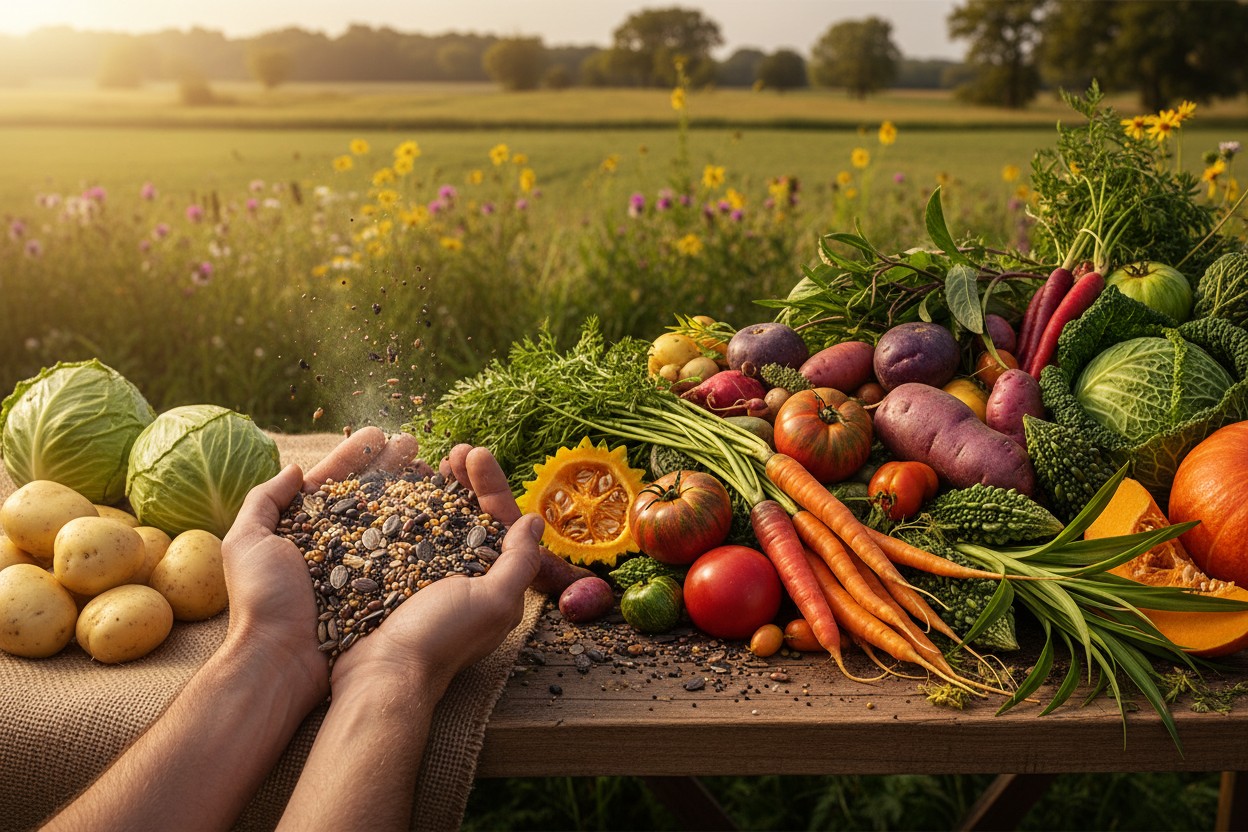
The global dinner plate is looking a little too beige. According to findings published in the Proceedings of the National Academy of Sciences and reported this week, vegetable consumption around the world remains below dietary recommendations, while the diversity of vegetables being eaten is also declining.
That matters deeply for agriculture because diversity is one of farming’s oldest insurance policies. A field, market, or regional food system built around only a narrow set of crops can be efficient in the short run, but it becomes more vulnerable to pests, disease, weather swings, and market shocks. Just ask any grower who has watched one crop carry the whole farm budget like a wobbly wheelbarrow.
For vegetable growers, this research points to both a challenge and an opportunity. The challenge is obvious: many consumers still do not eat enough greens, roots, gourds, legumes, and leafy odds-and-ends. But the opportunity is tastier. Farmers’ markets, CSAs, roadside stands, restaurants, and local food hubs can help reintroduce forgotten or underused crops — from amaranth greens to kohlrabi to regional peppers and indigenous vegetables.
Seed companies and plant breeders should also be paying attention. If public health experts want more vegetables on plates, agriculture needs varieties that fit local soils, shorter seasons, heat stress, low-input systems, and consumer habits. That means not just more broccoli, but better regional crop options and stronger seed sovereignty.
The takeaway for folks working the land is simple: crop diversity is not a quaint hobby. It is nutrition, resilience, market differentiation, and climate adaptation all growing in the same row. Sometimes the future of farming looks less like one big commodity bin and more like a colorful crate of vegetables at dawn.
Original source
Naturalnews.com - Read original articleMore from today's edition
Diddly Squat Meets Dry Reality After UK Heatwave
Jeremy Clarkson’s Diddly Squat Farm has reportedly been hit with another setback following the UK heatwave. Celebrity farm or not, the problem is painfully familiar: heat and drought are turning ordinary management decisions into high-stakes gambles.
FDA Turns Up the Heat on Food Additives
The FDA is moving to increase oversight of food additives under the administration’s health-focused food agenda. Farmers may not be the ones formulating processed foods, but changes downstream can ripple back into ingredient demand, labeling, processing contracts, and consumer expectations.
Lobsters, Labels, and the Free Speech Net
A federal appeals court is weighing whether a defamation lawsuit brought by lobster industry groups against a California aquarium can proceed. The case highlights a growing tension in food markets: when sustainability claims affect livelihoods, where does consumer guidance end and economic harm begin?
India’s Tractor Sales Find Fresh Traction
Tractor retail sales in India rose 25% from April to July, with July registrations hitting a record high. Better rainfall recovery, kharif sowing, and healthier farm cash flows appear to be giving rural buyers the confidence to invest in iron.