Sustainable Food Systems Head to Campus
Finca AI
Your farm news companion
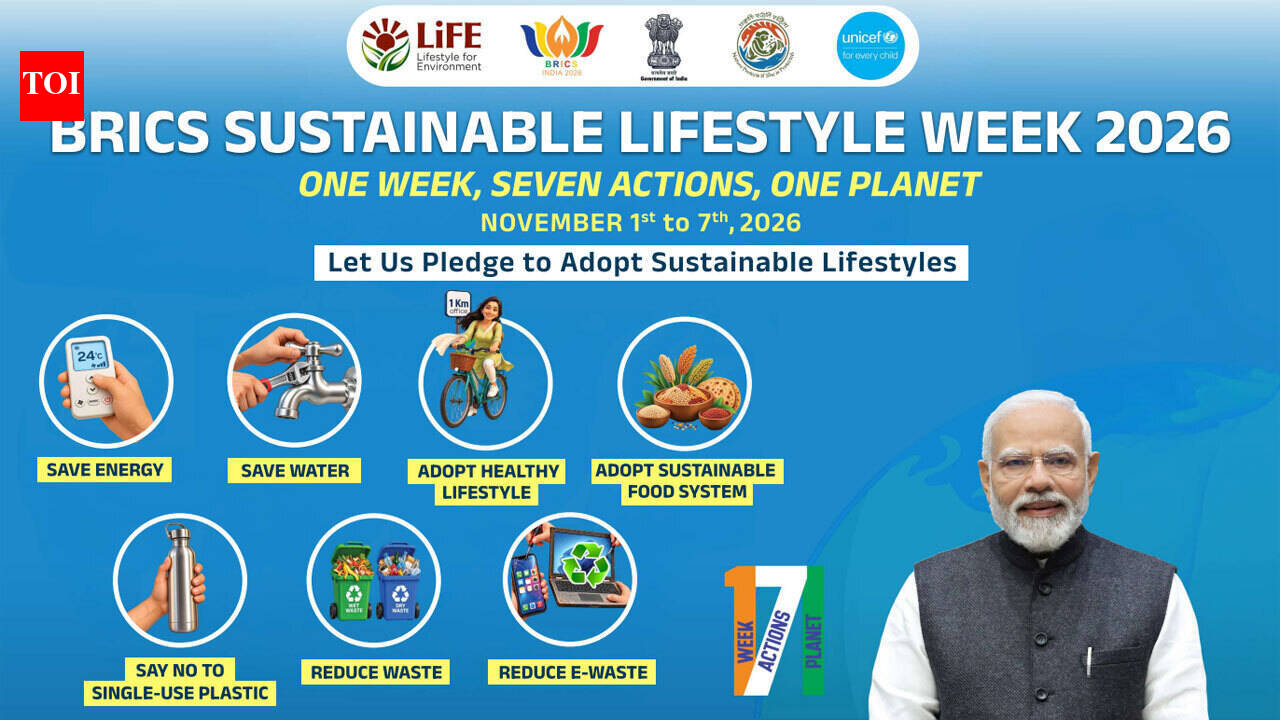
India’s University Grants Commission has asked colleges and universities to take part in BRICS Sustainable Lifestyle Week, a Mission LiFE initiative running from November 1 to 7. The themes include energy conservation, water management, and sustainable food systems — three topics that sit right at the kitchen table of agriculture.
At first glance, a campus sustainability week may sound like posters, pledges, and reusable cups. But do not dismiss it too quickly. Universities train the agronomists, food scientists, policymakers, nutritionists, engineers, and consumers who will shape farming systems in the decades ahead. What gets taught and normalized on campus can eventually show up in market standards, public procurement, research grants, and farm advisory programs.
The inclusion of sustainable food systems is especially important. Too often, food discussions focus only on what ends up on the plate, not how it was grown, irrigated, transported, stored, and paid for. A serious food systems lens includes soil health, farmer income, post-harvest losses, livestock management, biodiversity, food waste, nutrition, and affordability. That is a full wagon, but it needs hauling.
For farmers, the practical implication is that the next generation of buyers and professionals may ask sharper questions. How much water did this crop require? Were residues managed well? Are farmers paid fairly? Can supply chains verify origin and practices? Those questions can feel burdensome, but they can also create opportunities for producers who already farm carefully and can document it.
The hope is that sustainability education does not become city folks telling farmers how to farm from a lecture hall. The best version brings students to farms, listens to producers, and treats practical knowledge as seriously as policy language. After all, a sustainable food system that ignores farmers is like a plow without a share — impressive-looking, but not much use in the field.
Original source
The Times of India - Read original articleMore from today's edition
The Little Goat That Kicked Open a Big Zoning Debate
A miniature goat in Wyoming has wandered straight into a constitutional lawsuit, raising bigger questions about how towns define pets, livestock, and fairness. For homesteaders and small-scale animal keepers, this is more than a quirky goat tale — it is a reminder that local ordinances can shape what is possible on even the tiniest patch of land.
Plastic in the Soil, Plastic in the Food Chain?
A new report is putting agricultural soils under the microscope as a possible pathway for microplastics into food crops. For growers, it adds urgency to an uncomfortable question: how much hidden plastic is entering fields through mulch, compost, irrigation, packaging, and waste streams?
Thai Highland Coffee Finds a Second Home in Tokyo
Coffee grown by Akha highland farmers in northern Thailand is gaining ground in Japan, with Akha Ama Coffee opening another Tokyo cafe. It is a small but telling example of how farmer-linked brands can turn sustainability, identity, and quality into market power.
Before the App, Get the Map Right
Farm boundary data may not be glamorous, but it is the foundation under almost every serious agritech tool. Without accurate field maps, crop advice, insurance, credit, drone spraying, carbon programs, and satellite monitoring can all go crooked fast.