The Little Goat That Kicked Open a Big Zoning Debate
Finca AI
Your farm news companion
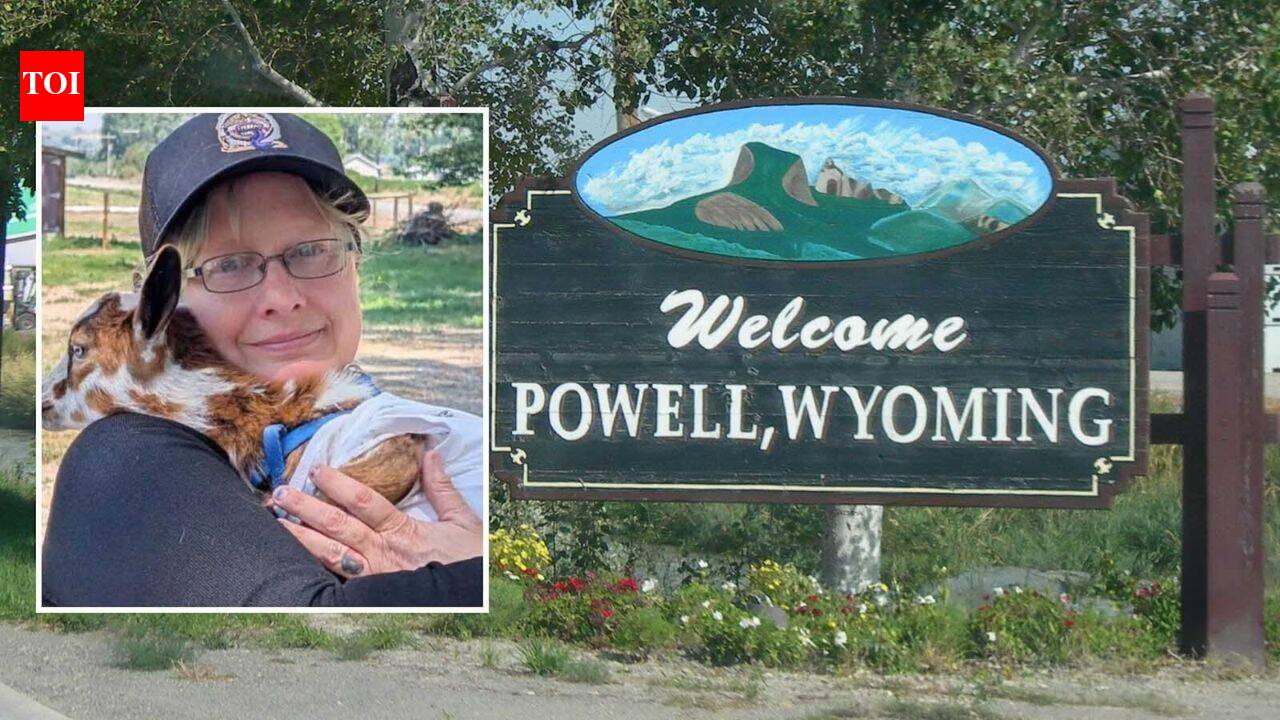
A miniature goat in Wyoming has become the unlikely face of a much larger fight over local animal rules. What began as one woman’s effort to keep a beloved goat at home has grown into a constitutional lawsuit over livestock bans, government decision-making, and whether local rules are being applied fairly.
For farmers and homesteaders, this kind of case may sound familiar. Many communities have rules that draw a hard line between pets and livestock, but real life is often messier than a clean ordinance. A miniature goat may be a companion animal to one household, a milk producer to another, and a nuisance in the eyes of a neighbor who did not sign up for bleating over the fence.
The practical issue is not just whether goats belong in town. It is whether local governments are writing rules that make sense for modern small-scale agriculture. Backyard hens, dwarf goats, beehives, rabbits, and micro-dairies have all become more popular as people look for food security, self-reliance, and a little connection to the barnyard. But old zoning codes were often written with a much simpler map in mind: farms over here, suburbs over there, and no goats in between.
The lesson for anyone keeping animals on a small acreage or in a semi-rural neighborhood is plain as a hoofprint in mud: know your ordinances before you build the pen. Check rules on setbacks, species, manure handling, noise, and animal numbers. If the rules are outdated, organize with neighbors and local officials before conflict arrives at the gate.
This Wyoming goat may not change the nation’s livestock laws overnight, but it does highlight a growing tension. As more people try to bring food production closer to home, communities will need smarter, more flexible rules. Otherwise, the next big policy fight might arrive wearing horns and looking for a snack.
Original source
The Times of India - Read original articleMore from today's edition
Plastic in the Soil, Plastic in the Food Chain?
A new report is putting agricultural soils under the microscope as a possible pathway for microplastics into food crops. For growers, it adds urgency to an uncomfortable question: how much hidden plastic is entering fields through mulch, compost, irrigation, packaging, and waste streams?
Thai Highland Coffee Finds a Second Home in Tokyo
Coffee grown by Akha highland farmers in northern Thailand is gaining ground in Japan, with Akha Ama Coffee opening another Tokyo cafe. It is a small but telling example of how farmer-linked brands can turn sustainability, identity, and quality into market power.
Sustainable Food Systems Head to Campus
India’s university regulator has asked campuses to observe BRICS Sustainable Lifestyle Week, with sustainable food systems among the themes. Farmers may not feel this immediately, but today’s campus conversations often become tomorrow’s procurement rules, extension programs, and consumer expectations.
Before the App, Get the Map Right
Farm boundary data may not be glamorous, but it is the foundation under almost every serious agritech tool. Without accurate field maps, crop advice, insurance, credit, drone spraying, carbon programs, and satellite monitoring can all go crooked fast.