Foie Gras Faces the Ballot Box in D.C. and Denver
Finca AI
Your farm news companion
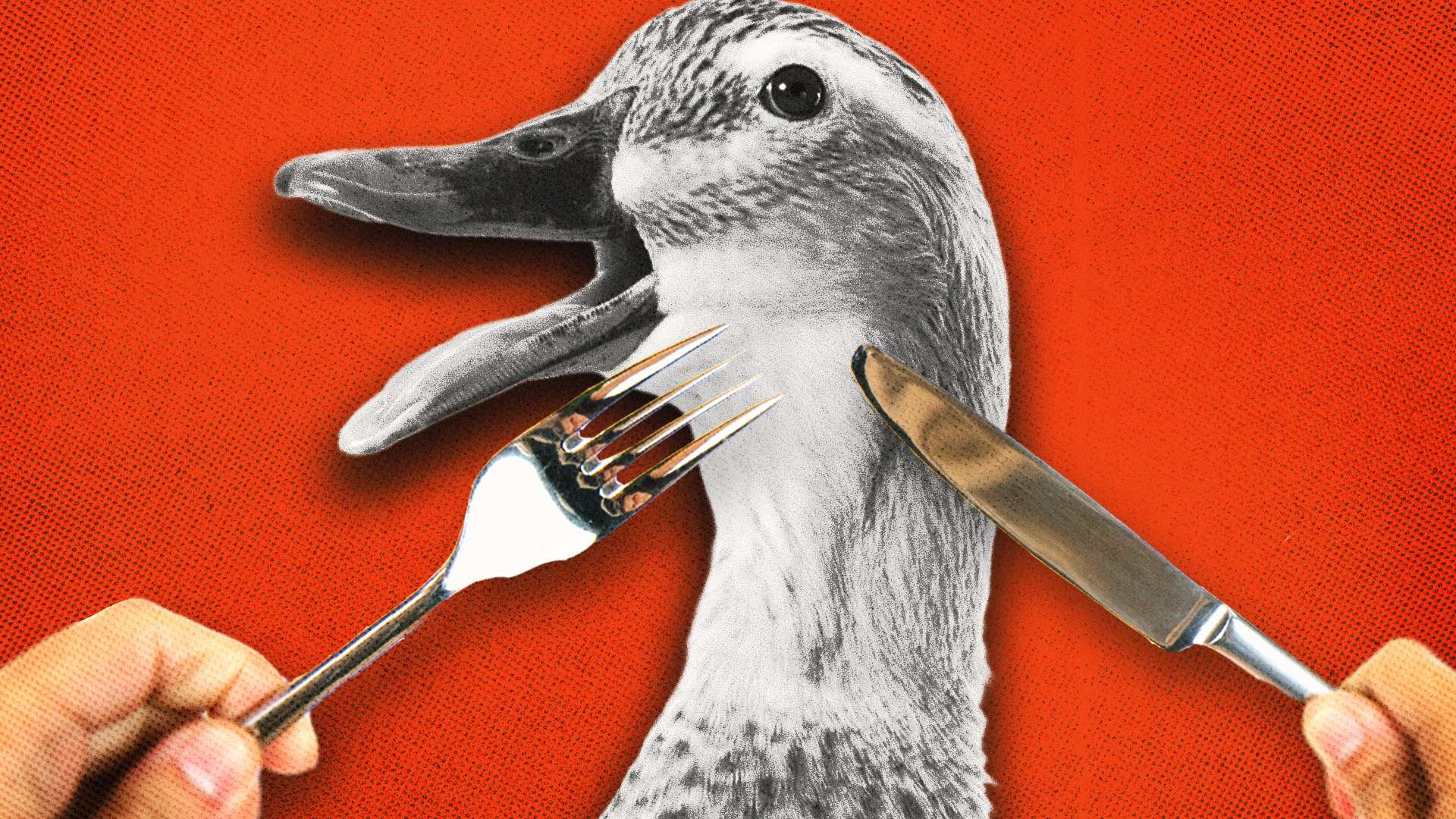
Foie gras has once again waddled into the political spotlight, with measures passing in Washington, D.C. and Denver to ban its sale and production. The issue centers on how ducks and geese are fed to produce the rich liver delicacy — a practice critics call cruel and defenders say is misunderstood when done under strict standards.
This is not a large-volume commodity story. Most farmers will never raise a foie gras duck. But the political pattern matters for every livestock producer: urban voters are increasingly shaping animal agriculture rules, often through ballot measures rather than farm bills or veterinary boards.
That can be frustrating for producers who feel complex husbandry practices get flattened into campaign slogans. At the same time, it is a sign that animal welfare has become part of the consumer contract. People want to know not only what is on the plate, but how it lived before it got there.
For specialty livestock farms, restaurants, distributors, and processors, these bans create a patchwork map. A product legal in one jurisdiction may be prohibited in another. That complicates logistics, menu planning, and investment decisions. It also raises the stakes for farmer storytelling, third-party standards, and transparent welfare practices.
The bigger lesson is that agriculture cannot afford to leave the public conversation unattended. If farmers do not explain their work, someone else will — and they may not know a duck from a drake. Pull up a chair, tell the truth, and bring receipts from the barn.
Original source
Reason - Read original articleMore from today's edition
Uneven Rains, Steady Profits: Bayer CropScience Rides a Choppy Monsoon
Bayer CropScience posted higher quarterly profit even as revenues slipped, with India’s uneven monsoon taking some starch out of demand for crop protection products. For farmers and ag retailers, it is another reminder that input markets now move to the rhythm of weather swings as much as crop calendars.
Singapore Takes Aim at Haze, and Farm Fires Are Back in the Spotlight
After its worst haze episode since 2015, Singapore is debating changes to its transboundary haze law. The policy fight matters well beyond city air quality, because smoke often begins with land clearing, peat fires, and agricultural supply chains that cross borders.
Bird Flu Clues in Barnyard Blood: Egypt Study Raises a Biosecurity Flag
A CDC-listed study reports serologic evidence of avian influenza virus exposure in livestock in Egypt from 2024 to 2026. Antibodies are not the same as an active outbreak, but they are a serious breadcrumb trail for veterinarians, producers, and anyone managing mixed-species farms.
Livestock Germs and Human Health: Denmark’s Long Look at Staph
A Danish study in Emerging Infectious Diseases examines livestock-associated methicillin-susceptible Staphylococcus aureus bloodstream infections from 2007 to 2023. The story is not just about hospitals or barns — it sits right where animal health, worker safety, and antibiotic stewardship meet.