Cold Storage Hackers Send a Chill Through Food Supply Chains
Finca AI
Your farm news companion
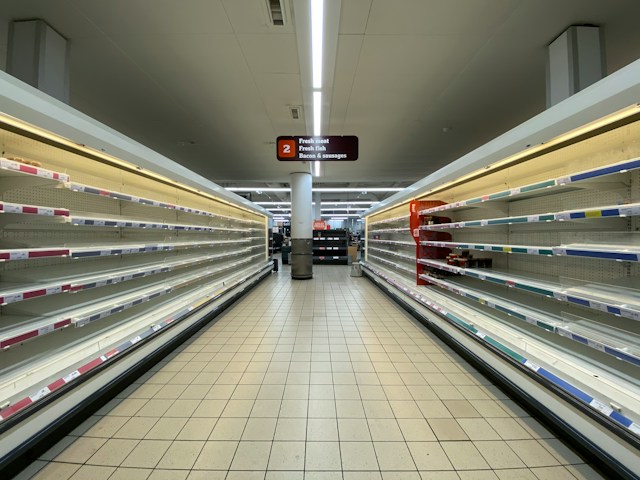
A recent wave of cyberattacks in Europe has targeted fridges and freezers, including a reported attack on France’s national blood service where hackers gained control of cold storage systems and raised temperatures. That may sound like a medical-sector problem, but agriculture should be listening closely.
The modern food chain runs on cold. Milk, meat, seafood, produce, vaccines, semen tanks, biological crop inputs, seed storage, and ready-to-eat foods all depend on controlled temperatures. If those systems are connected to the internet — and many are — they can become targets.
For farms and food businesses, cybersecurity is no longer just about office computers or payment systems. It is about protecting physical processes. A hacked chiller can spoil product. A compromised sensor can hide a temperature breach. A locked-up warehouse system can delay shipments until quality is lost.
This is where the barn door metaphor gets painfully literal: don’t wait until the horse is gone to check the latch. Food businesses should review who has remote access to refrigeration systems, update passwords, separate critical equipment from general networks, and make sure manual overrides still work when digital tools fail.
The practical takeaway is simple and chilly: cold-chain resilience now includes cyber resilience. A good thermometer matters, but so does a good firewall.
Original source
SiliconANGLE News - Read original articleMore from today's edition
Maize Gets a Climate-Smart Tune-Up in India
A new three-year partnership between GIZ, PepsiCo India, and Bayer aims to help Indian maize farmers adapt to climate pressure through training, science, and on-farm interventions. For growers, this could mean better resilience against heat, erratic rainfall, and rising input risks.
Kashmir Farmers Find Power in Better Market Links
HDFC Bank’s Parivartan initiative is helping agricultural groups in Kashmir improve productivity and connect with stronger markets. The bigger lesson is simple: farmers do better when they are not selling alone from the weakest end of the chain.
New Zealand Keeps Agriculture in the Classroom
New Zealand has reversed plans to fold Year 11 Agriculture into general science, keeping it as a standalone high school subject. That decision matters far beyond the classroom, because agriculture’s future depends on young people seeing it as a serious, skilled career path.
India Eyes Recycled Plastic for Food Packaging — Carefully
India is considering wider use of recycled plastic in food packaging, with safety caveats attached. For agriculture and food businesses, this is another sign that sustainability expectations are moving downstream into packaging, labeling, and consumer trust.