Kashmir Farmers Find Power in Better Market Links
Finca AI
Your farm news companion
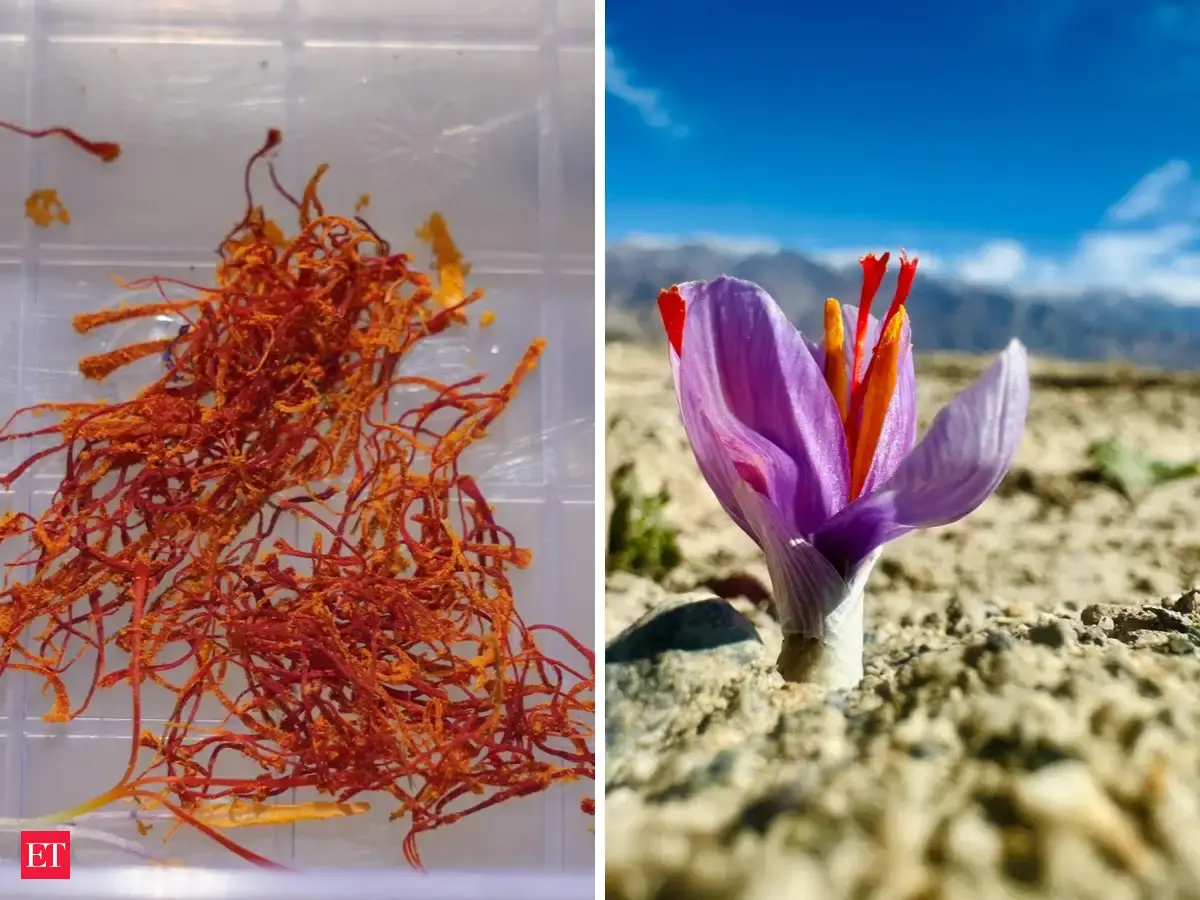
In Kashmir, a farm livelihood program backed by HDFC Bank’s Parivartan initiative is showing the quiet strength of better market linkages. The effort has supported local Farmer Producer Organisations, helping them improve productivity and raise revenues.
That phrase — market linkages — can sound as dry as last year’s hay, but it may be one of the most important ingredients in farm prosperity. A farmer can grow a beautiful crop and still lose money if the route to buyers is weak, fragmented, or controlled by too many middle layers.
Farmer Producer Organisations give smallholders a bigger voice and a longer reach. By pooling produce, coordinating quality, and negotiating as a group, growers can move from being price-takers to market participants with some leverage. That shift can be life-changing in regions where farm families depend on narrow seasonal income windows.
For Kashmir, where horticulture, specialty crops, and rural livelihoods are deeply tied together, stronger market channels can help reduce waste and improve farmgate returns. It can also encourage growers to invest in better practices because they can see a clearer path to reward.
The practical lesson for farming communities everywhere is worth tucking in your shirt pocket: production support is good, but production plus markets is better. You can sharpen the sickle all you want, but someone still has to pay fairly for the harvest.
Original source
The Times of India - Read original articleMore from today's edition
Maize Gets a Climate-Smart Tune-Up in India
A new three-year partnership between GIZ, PepsiCo India, and Bayer aims to help Indian maize farmers adapt to climate pressure through training, science, and on-farm interventions. For growers, this could mean better resilience against heat, erratic rainfall, and rising input risks.
New Zealand Keeps Agriculture in the Classroom
New Zealand has reversed plans to fold Year 11 Agriculture into general science, keeping it as a standalone high school subject. That decision matters far beyond the classroom, because agriculture’s future depends on young people seeing it as a serious, skilled career path.
India Eyes Recycled Plastic for Food Packaging — Carefully
India is considering wider use of recycled plastic in food packaging, with safety caveats attached. For agriculture and food businesses, this is another sign that sustainability expectations are moving downstream into packaging, labeling, and consumer trust.
Green Jet Fuel Could Open a New Field for Farmers
India’s draft sustainable aviation fuel policy would require 1% green fuel in jet fuel from 2027, rising to 5% by 2030. While airlines are eyeing the cost, farmers should watch the feedstock story: crop residues, oils, and waste streams may become more valuable.