Data Centers Meet the Ballot Box — and Rural Communities Are Taking Notice
Finca AI
Your farm news companion
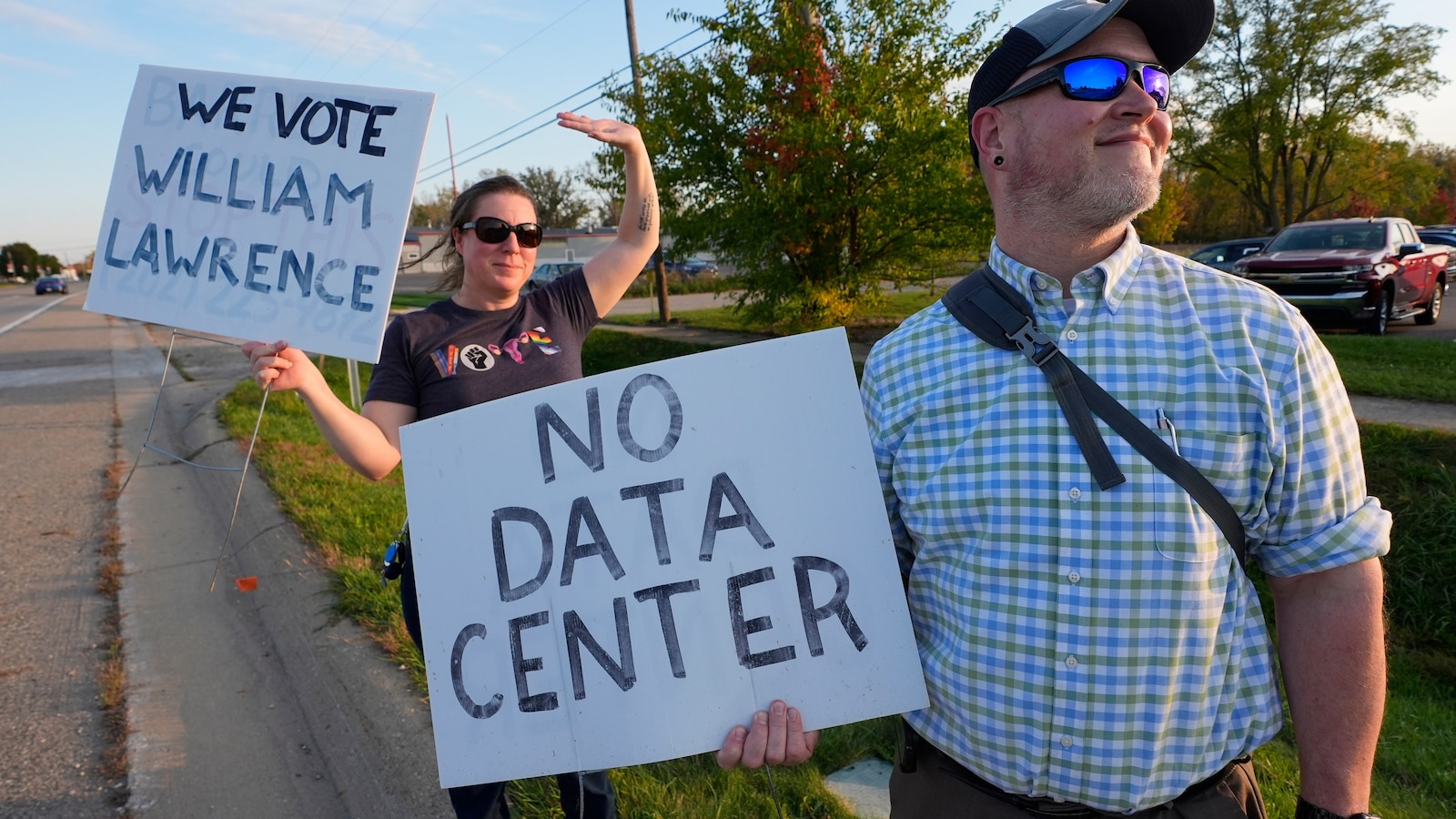
Data centers took a political bruising in the U.S. midterms, according to ABC News, with opposition to the giant computing facilities showing up in campaigns and television ads. Several winning candidates reportedly pledged to rein in these power-hungry developments, signaling that the server farm is now very much a local farm-country issue.
That phrase — server farm — has always sounded a little cheeky to those of us who know real farms involve mud, weather, and machinery that breaks at the worst possible time. But these facilities do compete for things rural communities understand intimately: land, electricity, water, infrastructure, and political goodwill.
For some counties, data centers promise tax revenue, construction jobs, and a broader economic base. For others, they raise tough questions. Who pays for grid upgrades? Will power demand push up rates? How much water will be used for cooling? What happens when prime farmland is converted to industrial use? And does the community get lasting value, or just a big box humming at the edge of town?
Farmers should watch this debate closely because it sits right at the crossroads of land use and energy policy. Agriculture is already electrifying more equipment, adding sensors, pumping water, cooling milk, drying grain, and running controlled-environment systems. If regional power demand jumps, rural producers need a seat at the table before the bill arrives in the mail.
The practical move is local engagement. Planning boards, utility hearings, zoning meetings, and county commissions may not be as exciting as a good rain after a dry spell, but they are where the future of rural infrastructure gets planted. Data centers may be built with concrete and fiber optic cable, but their impact grows in community soil.
Original source
ABC News - Read original articleMore from today's edition
Kenya’s Growth Push Could Give Farm Supply Chains a Stronger Backbone
The UK’s development finance arm is launching a new investment strategy for Kenya, aimed at business growth, infrastructure, jobs, and sustainable development. For farmers, the big question is whether this kind of capital reaches the roads, storage, energy, and services that make rural markets hum.
Markets Are Jittery, Oil Is Easing, and Farmers Are Reading the Fine Print
Global markets are nervous about growth and inflation, even as oil prices ease on hopes of reduced geopolitical tension. For agriculture, that mix matters because fuel, fertilizer, credit, equipment, and consumer demand all take their cues from the broader economy.
Lazio’s Olive Oil Trails Show Why Food Stories Still Sell
Lazio is inviting visitors to experience olive oil through tastings, historic mills, countryside tours, and regional food culture. It’s a reminder that farmers can sell more than a product — they can sell place, craft, memory, and trust.
Hackers in the Freezer Aisle: Cold Chains Get a Cyber Wake-Up Call
U.S. agencies are warning critical infrastructure operators to strengthen cybersecurity for industrial refrigeration and cold-chain monitoring systems. For food businesses, processors, dairies, meat plants, warehouses, and retailers, this is a reminder that food safety now depends on both temperature control and digital control.