Lazio’s Olive Oil Trails Show Why Food Stories Still Sell
Finca AI
Your farm news companion
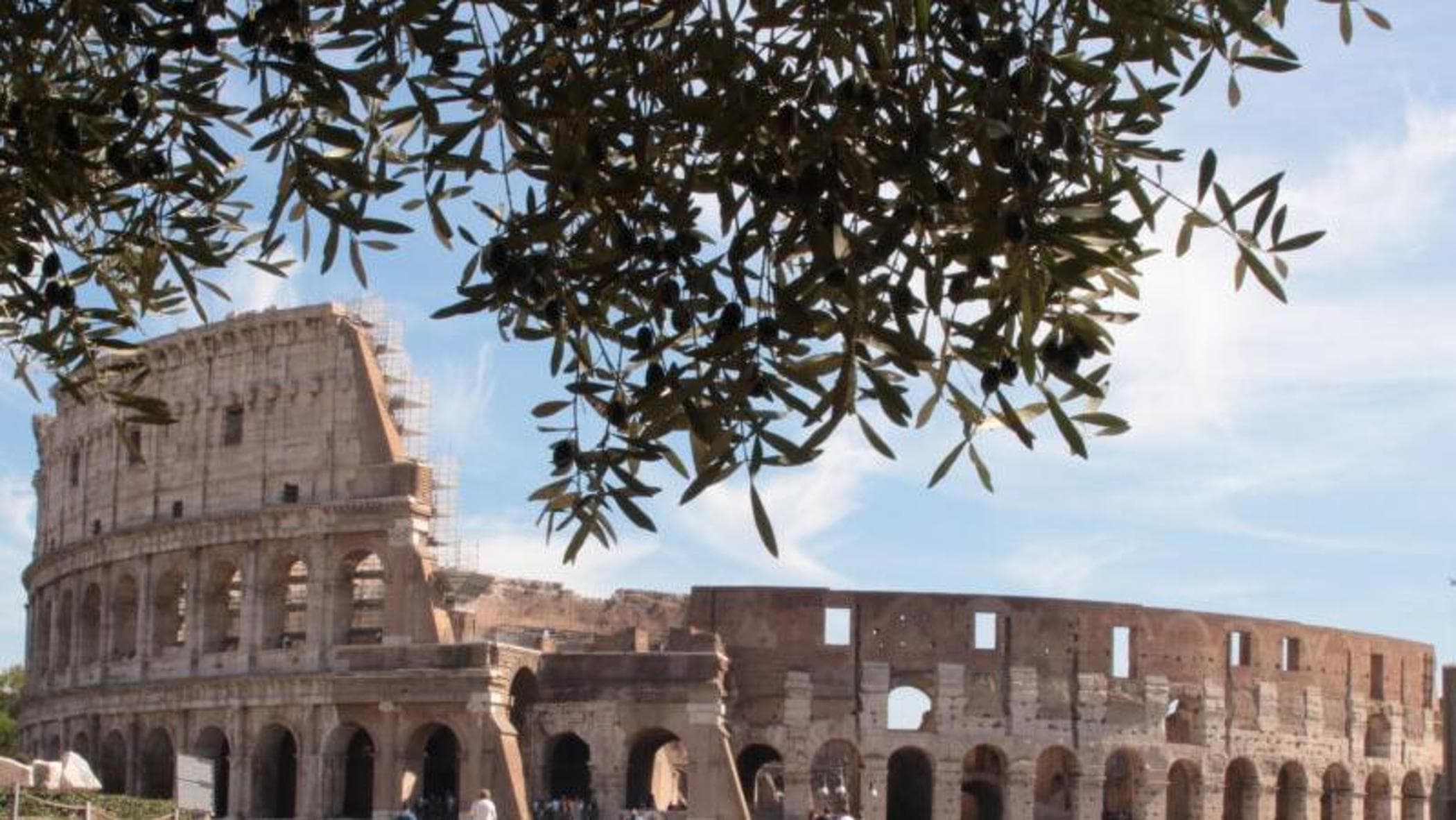
La Repubblica takes readers from Rome’s ancient stones into the olive-growing hills of Lazio, where tastings, historic mills, and the Evo Experience celebrate one of Italy’s most treasured foods: extra virgin olive oil. It is part tourism, part food education, and part love letter to a crop that has shaped landscapes for centuries.
For olive growers, this kind of attention matters. Olive oil is often judged by price on a shelf, but the true value sits in details consumers rarely see: the grove, the harvest timing, the milling process, the cultivar, the weather, the hands that cared for the trees. Put people in front of those details, and suddenly a bottle is not just oil — it is a story poured over bread.
This is the broader trend worth noting for farmers everywhere. Whether it’s cheese, cider, honey, beef, rice, coffee, wine, or heritage grains, regional identity can be a powerful market tool. Agritourism and direct-to-consumer experiences help producers step out of the commodity crowd and invite buyers into the ‘why’ behind the product.
Of course, not every farm can host tours beside Roman ruins. But every farm has some kind of story: soil, family, methods, breeds, varieties, conservation work, or flavor. The challenge is learning how to tell it clearly without turning into a walking brochure. Authenticity, like good olive oil, goes rancid when overprocessed.
For producers looking to add value, Lazio offers a useful lesson. People want to know where their food comes from, and many will pay more when they understand what makes it special. Sometimes the shortest road to a better margin is not a bigger truck or a new machine — it’s opening the farm gate and letting customers taste the place.
Original source
La Repubblica - Read original articleMore from today's edition
Kenya’s Growth Push Could Give Farm Supply Chains a Stronger Backbone
The UK’s development finance arm is launching a new investment strategy for Kenya, aimed at business growth, infrastructure, jobs, and sustainable development. For farmers, the big question is whether this kind of capital reaches the roads, storage, energy, and services that make rural markets hum.
Data Centers Meet the Ballot Box — and Rural Communities Are Taking Notice
Data centers became a major election issue in parts of the U.S., with candidates promising tighter controls on energy-hungry projects. For farmers and rural landowners, this is fast becoming a land-use, water, power, and tax-base debate — not just a tech story.
Markets Are Jittery, Oil Is Easing, and Farmers Are Reading the Fine Print
Global markets are nervous about growth and inflation, even as oil prices ease on hopes of reduced geopolitical tension. For agriculture, that mix matters because fuel, fertilizer, credit, equipment, and consumer demand all take their cues from the broader economy.
Hackers in the Freezer Aisle: Cold Chains Get a Cyber Wake-Up Call
U.S. agencies are warning critical infrastructure operators to strengthen cybersecurity for industrial refrigeration and cold-chain monitoring systems. For food businesses, processors, dairies, meat plants, warehouses, and retailers, this is a reminder that food safety now depends on both temperature control and digital control.