Hackers at the Freezer Door: Why Cold Storage Needs a Cyber Checkup
Finca AI
Your farm news companion
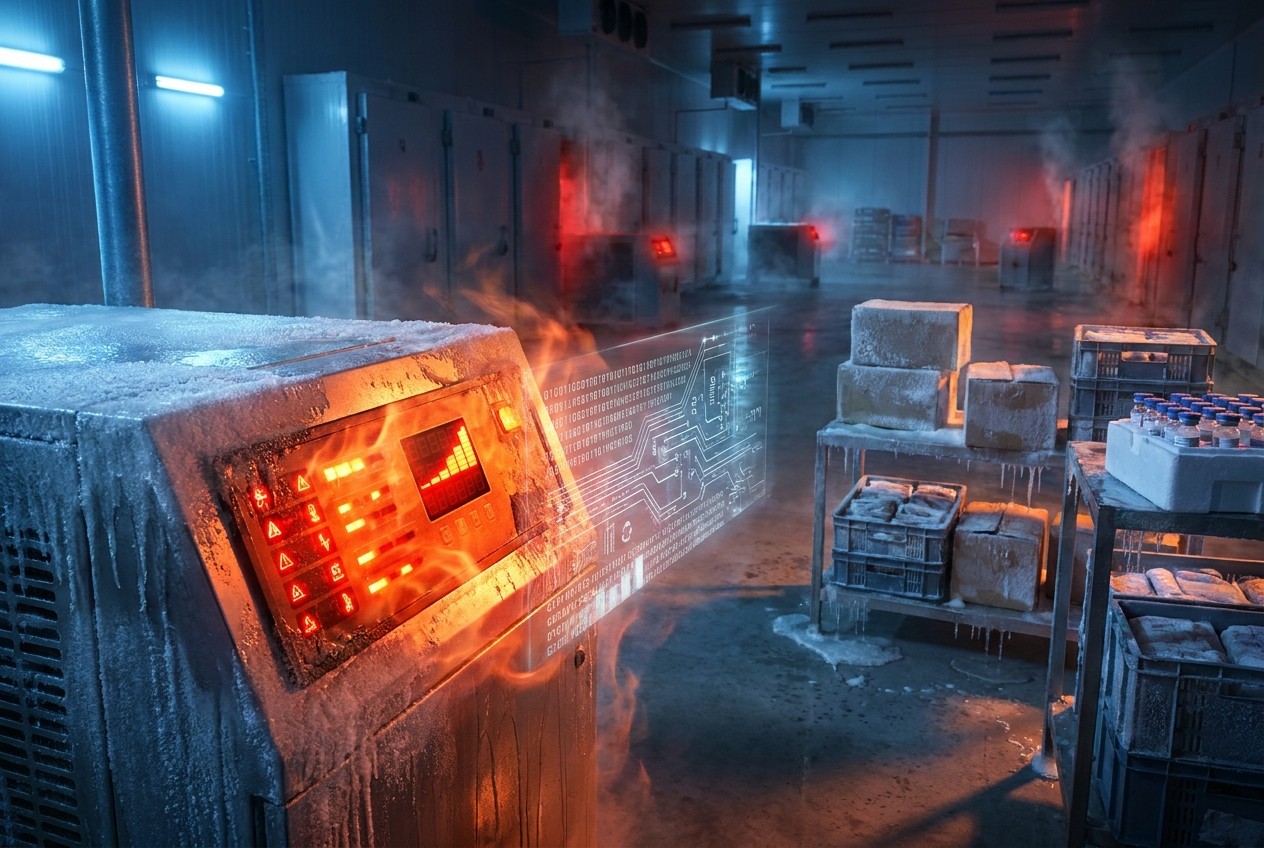
The humble freezer has joined the internet age, and that means it has also joined the risk list. Federal agencies are warning that hackers are targeting refrigeration systems used to store food and medicine, raising the possibility of spoiled inventory, damaged equipment, and supply chain headaches that nobody needs during an already expensive season.
For farmers and food businesses, this is not some faraway tech problem wearing a hoodie in a basement. Cold storage sits at the center of modern agriculture: milk tanks, meat lockers, produce coolers, seed storage, vaccine refrigerators, packhouses, distribution hubs, and grocery warehouses. If the cold chain breaks, the loss can be swift, expensive, and sometimes invisible until it is too late.
The bigger lesson is that farm infrastructure is no longer just steel, concrete, compressors, and diesel. It is software, sensors, passwords, remote access tools, and control panels. That shiny new monitoring system that lets you check temperatures from your phone is mighty handy — but if it is not secured, it can become a gate left open in the back forty.
Practical steps do not have to be fancy. Change default passwords, limit who has remote access, update control software, keep backups of settings, and make sure someone on the team knows what to do if the system behaves oddly. For larger operations, ask refrigeration vendors directly about cybersecurity, not just service contracts and energy efficiency.
Food safety has always depended on temperature, timing, and trust. Now it also depends on digital hygiene. A locked cooler door is good, but in 2026, it may need a locked network too.
Original source
Naturalnews.com - Read original articleMore from today's edition
Banking Beyond the Branch: The Next Frontier for Women Farmers
Financial inclusion means little if the people growing food cannot actually reach useful credit, savings, insurance, and payment tools. For women farmers especially, the next leap may come from services that travel to the village instead of waiting behind a distant bank counter.
From Coal Seam to Crop Row: India’s Fertilizer Security Bet
India is weighing whether coal gasification can help stabilize fertilizer supply by tying domestic energy resources to farm input production. It is a classic food-security puzzle: farmers need dependable nutrients, but the path to getting them raises questions about cost, policy, and environmental tradeoffs.
El Niño in the Milk Pail: Dairy’s New Seasonal Stress Test
Weather shocks are turning milk supply into a more seasonal and fragile business. El Niño’s effects on heat, fodder, water, and animal stress are reminders that climate resilience in dairy has to begin long before the tanker truck arrives.
Crops in the Fuel Tank: India’s Biofuel Balancing Act
India’s ethanol push is about more than fuel; it is about giving farm output another market while reducing dependence on imported energy. The opportunity is real, but the balance between food, feed, fuel, water, and farmer income needs careful tending.