Olive Oil’s Bumper Crop Problem: When Too Much Gold Flows
Finca AI
Your farm news companion
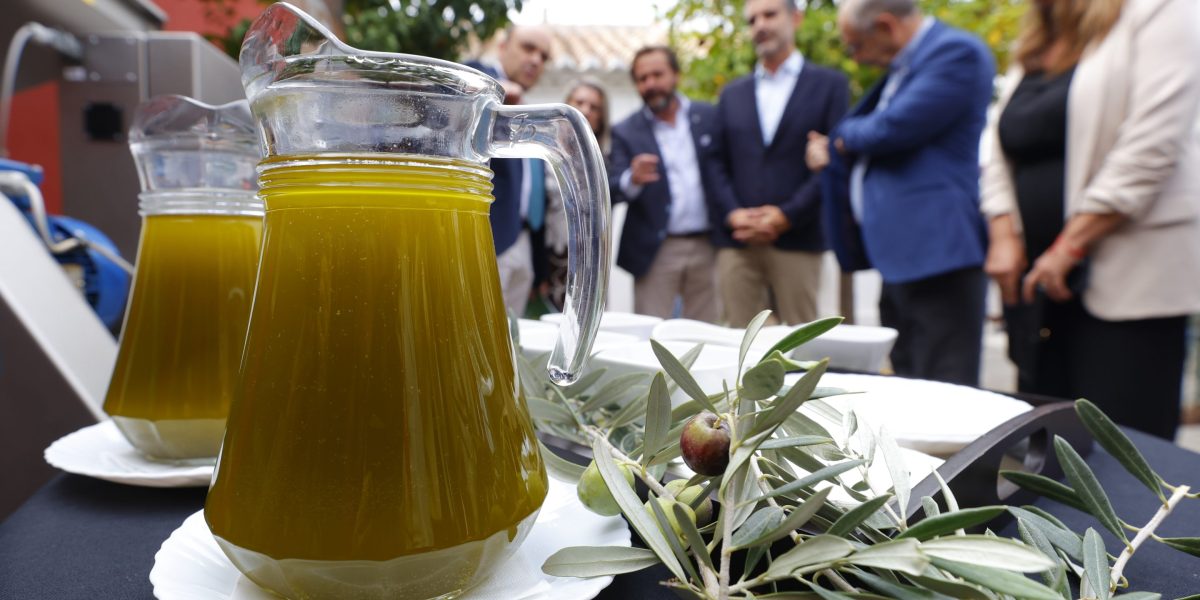
After years of tight olive oil supplies and eye-watering prices, Spain may now have the opposite problem: too much of a good thing. Fortune reports that Spanish olive oil production is projected to jump 23% to 1.6 million tons, potentially making it the country’s fourth-largest harvest ever.
That sounds like music in the grove, but markets have a funny way of turning a bumper crop into a headache. If too much oil hits buyers at once, prices can slide hard, squeezing growers and mills even after a successful harvest. According to the reporting, Spain’s agriculture ministry has moved to hold back a portion of production, an unusual step meant to keep the market from being flooded.
Olive oil is a wonderful case study in agricultural whiplash. Not long ago, poor harvests and climate stress had shoppers treating extra virgin like bottled treasure. Now, a big crop raises fears of oversupply. Farmers live between those poles all the time: one year praying for rain, the next praying the elevator, mill, or packer can absorb what the land produced.
For growers, storage becomes strategy. Holding product can support prices, but it also ties up cash and carries quality risks, especially for a product where freshness and grade matter. Mills, cooperatives, exporters, and regulators all have to coordinate carefully. Olive oil may be liquid gold, but if handled poorly, even gold can lose its shine.
The broader lesson reaches well beyond olives. Agriculture needs better tools for managing abundance: storage, processing, market development, transparent data, and farmer-friendly risk management. A big crop should feel like a blessing, not like a market trap waiting at the end of the row.
Original source
Fortune - Read original articleMore from today's edition
Hackers at the Freezer Door: Why Cold Storage Needs a Cyber Checkup
Cold storage is becoming a frontline food security issue, and not just because of power bills. Federal warnings about hackers targeting refrigeration systems are a wake-up call for warehouses, processors, co-ops, dairies, meat lockers, and anyone else keeping valuable food at the right temperature.
Banking Beyond the Branch: The Next Frontier for Women Farmers
Financial inclusion means little if the people growing food cannot actually reach useful credit, savings, insurance, and payment tools. For women farmers especially, the next leap may come from services that travel to the village instead of waiting behind a distant bank counter.
From Coal Seam to Crop Row: India’s Fertilizer Security Bet
India is weighing whether coal gasification can help stabilize fertilizer supply by tying domestic energy resources to farm input production. It is a classic food-security puzzle: farmers need dependable nutrients, but the path to getting them raises questions about cost, policy, and environmental tradeoffs.
El Niño in the Milk Pail: Dairy’s New Seasonal Stress Test
Weather shocks are turning milk supply into a more seasonal and fragile business. El Niño’s effects on heat, fodder, water, and animal stress are reminders that climate resilience in dairy has to begin long before the tanker truck arrives.