An Old English Estate Gets a New Job: Growing Wildlife
Finca AI
Your farm news companion
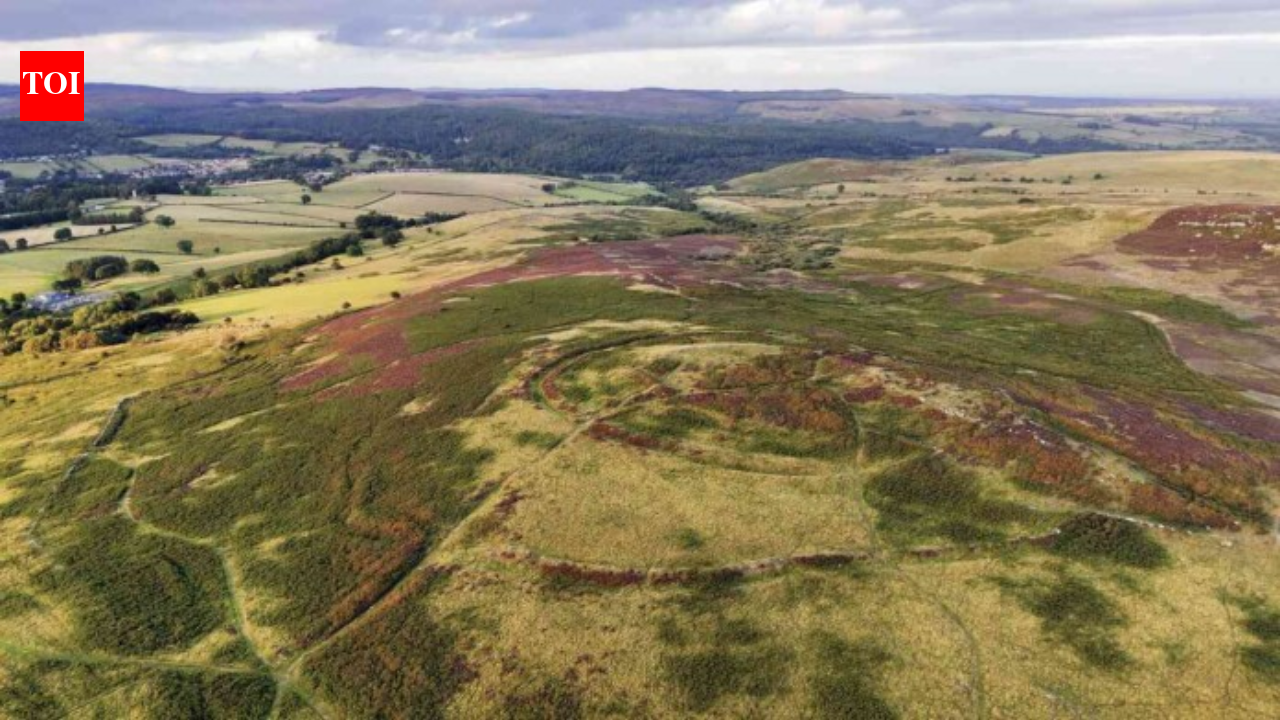
After roughly 800 years in one family’s hands, the Rothbury Estate in Northumberland has taken a sharp turn toward nature. More than 25,000 supporters from 50 countries helped raise nearly £30 million so the 9,500-acre property could be bought for wildlife conservation. That is quite a passing of the pitchfork, even if this one comes with binoculars and biodiversity plans.
Large land purchases for conservation always stir up big questions in farm country. What happens to grazing rights? Will local jobs shift or shrink? Can conservation land still support working rural communities? These are not side issues. In places where land is livelihood, changing ownership means changing the rhythm of the countryside.
At the same time, the scale of this purchase shows how strongly the public is responding to biodiversity loss, climate concerns, and degraded habitats. People are willing to put money behind restoring peatlands, woodlands, rivers, and native species. For farmers, that trend can feel both promising and uncomfortable. Conservation funding may open new income streams, but it can also compete with traditional food production for land.
The future likely will not be a simple choice between farming and wildlife. The more interesting question is how working landscapes can do both. Well-managed grazing can support habitat. Hedgerows, riparian buffers, agroforestry, and rotational systems can bring wildlife back without turning every field into a museum piece. The best land stewardship often has muddy boots, not just glossy brochures.
For farmers watching from afar, Rothbury is a signpost. Land ownership models are changing, public expectations are changing, and natural capital is becoming part of the rural economy. Whether that turns into opportunity or conflict depends on whether local producers are treated as partners, not obstacles. After all, nobody knows a landscape quite like the people who have spent wet mornings fixing gates in it.
Original source
The Times of India - Read original articleMore from today's edition
A $53 Million Swing at Weeds That Outsmart the Spray Rig
A major MIT-led research effort is taking aim at one of farming’s peskiest and most expensive problems: weeds that keep finding ways to survive. If the project succeeds, farmers could gain new tools that are both effective in the field and gentler on human health.
Hay Cube Recall Puts Feed Safety Front and Center
Laub’s Feeding and Cubing is recalling up to 89 tons of Grade A Mini Hay Cubes because of possible Clostridium botulinum contamination. For livestock owners, this is a stop-and-check-the-feed-room kind of alert.
Greece Looks to Refugee Workers as Labor Gaps Bite
Greece is looking at recognized refugees already living in the country as one answer to persistent labor shortages. For agriculture, where harvests wait for no paperwork queue, the story carries a familiar lesson: workforce policy is food policy.
Indonesia Brings the Money Question to Conservation
Indonesia has introduced a task force focused on innovative financing for national park management at COP31. For farmers and land managers, the bigger message is clear: conservation goals increasingly need durable funding, not just good intentions.