Millets and Ancient Grains Find Fresh Footing
Finca AI
Your farm news companion
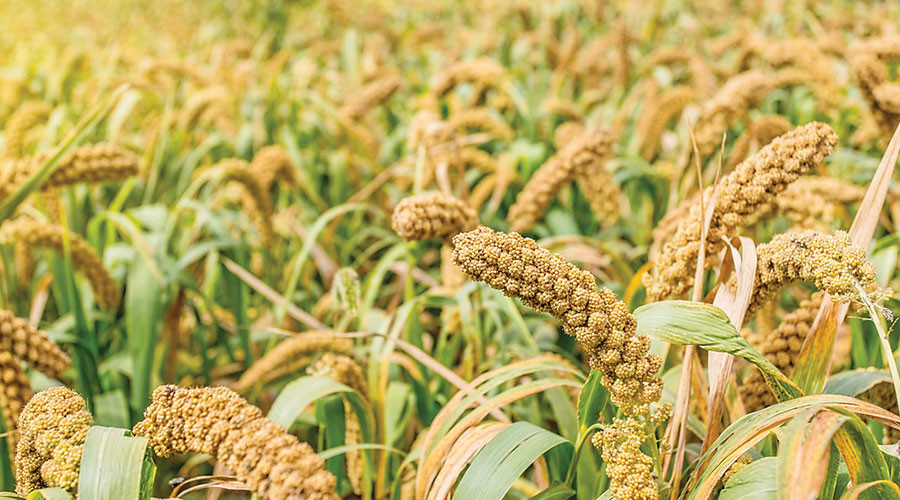
Traditional foods in Pakistan are being celebrated for what they can teach modern eaters about nutrition and sustainable living, and ancient grains are right at the center of that conversation. These crops may be old, but do not mistake them for outdated. Sometimes the seed sitting quietly in the back of history has exactly the traits modern agriculture needs.
Ancient grains such as millets, sorghum, barley, and other traditional cereals often carry advantages that matter in a hotter, drier, more unpredictable climate. Many are hardy, relatively drought-tolerant, and able to grow where more input-hungry crops struggle. They have fed communities for generations not because they were trendy, but because they worked.
For farmers, the renewed interest in traditional grains could open specialty markets, local food opportunities, and more resilient rotations. These crops can diversify income and reduce dependence on a narrow set of commodities. Diversity in the field is a bit like diversity in the toolbox: when one wrench does not fit, you are mighty glad you brought more than one.
There are challenges, of course. Markets for ancient grains need processing, storage, consumer education, and reliable buyers. A crop can be agronomically brilliant and still struggle if nobody knows how to cook it, mill it, price it, or market it. That is where food culture, chefs, nutritionists, cooperatives, and millers become part of the farm economy.
The larger lesson is that innovation does not always mean inventing something new. Sometimes it means remembering what worked before industrial agriculture narrowed the menu. Ancient grains are not a silver bullet, but they may be sturdy little buckshot in the fight for resilient food systems.
Original source
MAG The Weekly - Read original articleMore from today's edition
A $53 Million Swing at Weeds That Outsmart the Spray Rig
A major MIT-led research effort is taking aim at one of farming’s peskiest and most expensive problems: weeds that keep finding ways to survive. If the project succeeds, farmers could gain new tools that are both effective in the field and gentler on human health.
Hay Cube Recall Puts Feed Safety Front and Center
Laub’s Feeding and Cubing is recalling up to 89 tons of Grade A Mini Hay Cubes because of possible Clostridium botulinum contamination. For livestock owners, this is a stop-and-check-the-feed-room kind of alert.
Greece Looks to Refugee Workers as Labor Gaps Bite
Greece is looking at recognized refugees already living in the country as one answer to persistent labor shortages. For agriculture, where harvests wait for no paperwork queue, the story carries a familiar lesson: workforce policy is food policy.
An Old English Estate Gets a New Job: Growing Wildlife
A 9,500-acre estate in Northumberland, held by one family for centuries, has been bought for nature conservation with help from more than 25,000 donors. It is a striking example of how land values, conservation goals, and rural identity are being renegotiated.