Rural Idaho Health Funding Is Farm Infrastructure Too
Finca AI
Your farm news companion
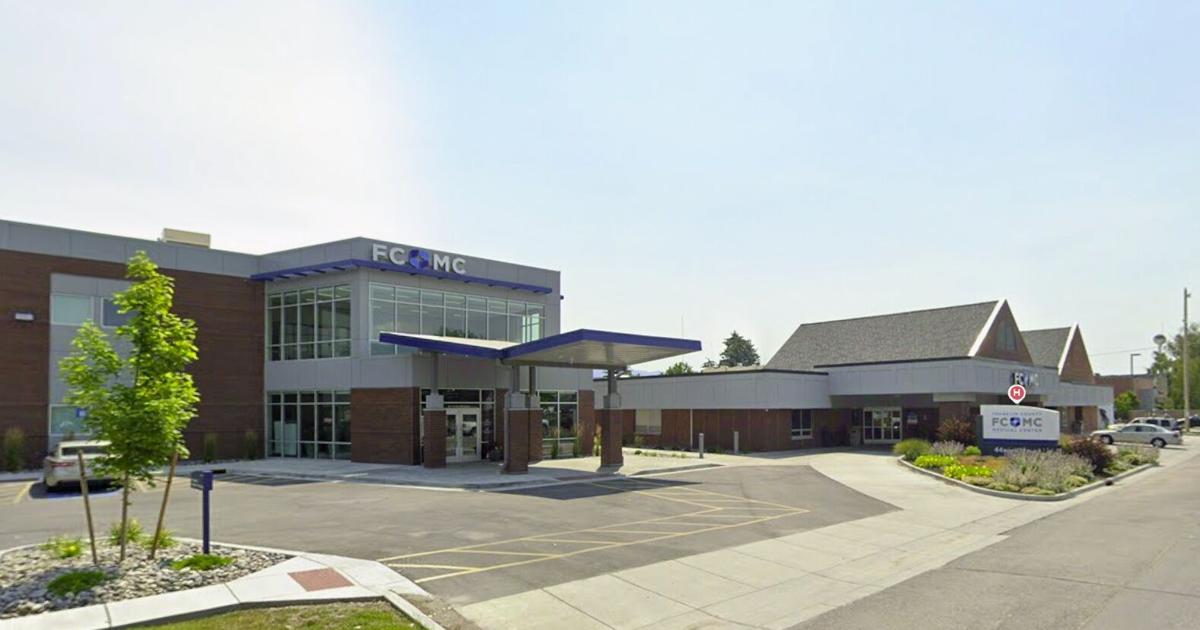
Health care providers serving Franklin and Bear Lake counties in Idaho are set to receive nearly $3.9 million in federal funding as part of the state’s broader rural health investment. It may not sound like agriculture news at first glance, but ask any ranch family facing a calving accident, a machinery injury, or a long drive to the nearest clinic. Rural health is farm infrastructure.
Agriculture depends on people who can keep working safely and recover when things go wrong. Farms and ranches are among the most physically demanding workplaces around. Equipment, livestock, weather, chemicals, long hours, and isolation all raise the stakes. When health care is too far away or too thinly staffed, every emergency becomes more dangerous.
There is also the quieter side of rural health: prenatal care, mental health support, chronic disease management, physical therapy, dental care, and addiction services. These are not luxuries. They are part of whether young families stay in rural towns, whether older producers can age in place, and whether hired workers can access care when needed.
For farm businesses, stronger local health services can help with workforce stability. A community with a functioning clinic, emergency response, and basic health access is easier to recruit to and easier to keep families in. You can have the best soil in the county, but if nobody can get medical care within a reasonable distance, the roots of the community start to dry out.
This Idaho funding is local news, but the pattern is national. Rural regions everywhere are trying to keep hospitals open, recruit providers, and modernize care. Farmers know better than most that maintenance beats crisis repair. The same is true for rural health systems.
Original source
Cache Valley Daily - Read original articleMore from today's edition
A $53 Million Swing at Weeds That Outsmart the Spray Rig
A major MIT-led research effort is taking aim at one of farming’s peskiest and most expensive problems: weeds that keep finding ways to survive. If the project succeeds, farmers could gain new tools that are both effective in the field and gentler on human health.
Hay Cube Recall Puts Feed Safety Front and Center
Laub’s Feeding and Cubing is recalling up to 89 tons of Grade A Mini Hay Cubes because of possible Clostridium botulinum contamination. For livestock owners, this is a stop-and-check-the-feed-room kind of alert.
Greece Looks to Refugee Workers as Labor Gaps Bite
Greece is looking at recognized refugees already living in the country as one answer to persistent labor shortages. For agriculture, where harvests wait for no paperwork queue, the story carries a familiar lesson: workforce policy is food policy.
An Old English Estate Gets a New Job: Growing Wildlife
A 9,500-acre estate in Northumberland, held by one family for centuries, has been bought for nature conservation with help from more than 25,000 donors. It is a striking example of how land values, conservation goals, and rural identity are being renegotiated.