Robotic Seeds and Edible Batteries: Nature Gets New Tools
Finca AI
Your farm news companion
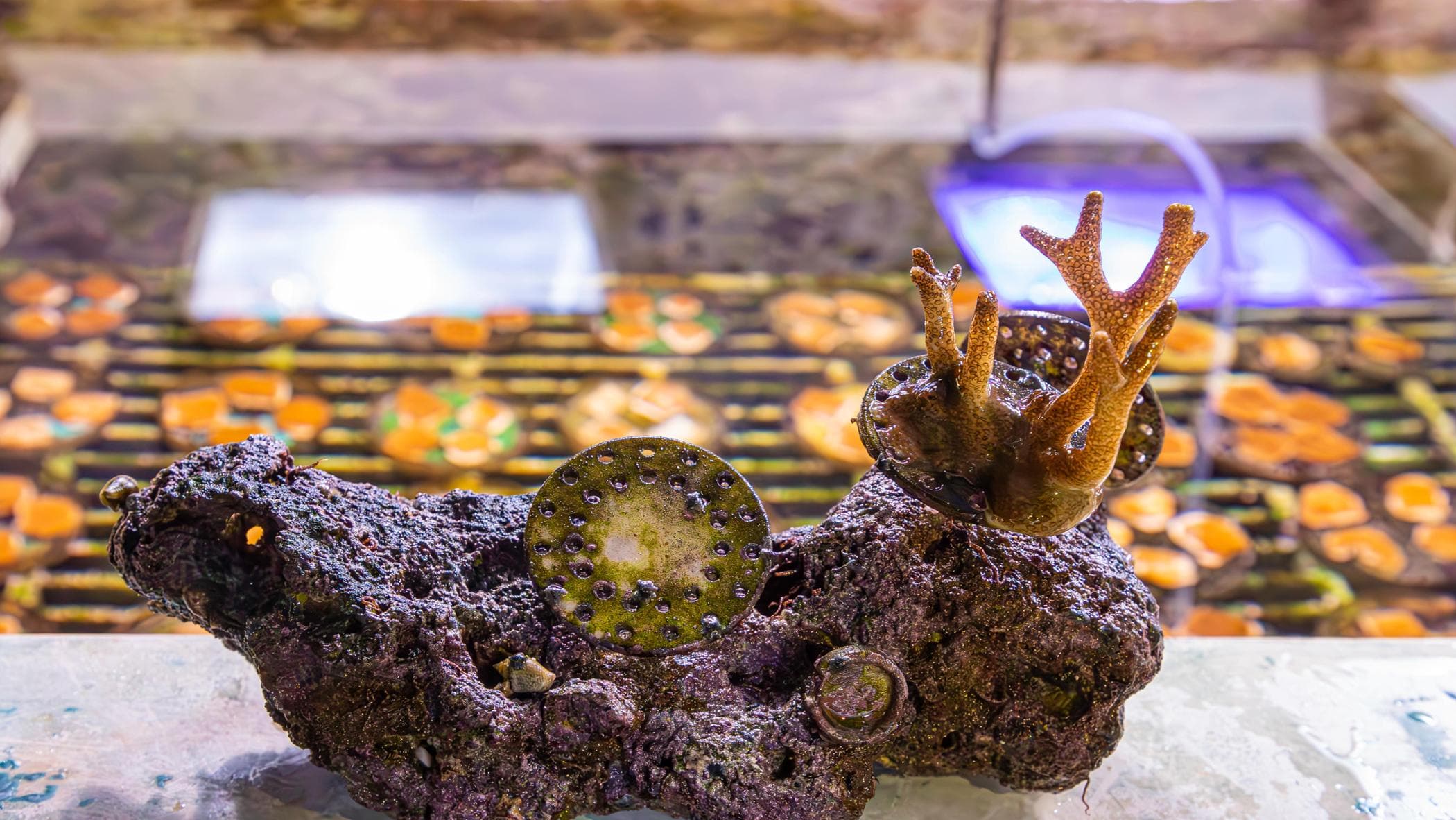
Every now and then, the future wanders into the field wearing a funny hat. At COP31 in Turkey, Italian researchers are showing off technologies designed to help nature repair itself, including robotic seeds that plant themselves, edible batteries, and a special glue for protecting coral reefs. It sounds like something cooked up between a greenhouse, a workshop, and a very ambitious science fair.
The robotic seed idea is especially interesting for people in agriculture and land restoration. Getting seed into the right place at the right depth is one of farming’s oldest challenges. Whether you are drilling wheat, reseeding pasture, planting cover crops, or restoring degraded land, seed placement can make the difference between a green flush and a disappointing bare patch.
Now, nobody should expect self-planting robotic seeds to replace the grain drill next spring. These early-stage technologies are more likely to find their first uses in difficult environments: eroded hillsides, burned landscapes, fragile restoration sites, or places where machinery cannot easily go. But the thinking behind them matters. Agriculture is moving toward tools that work with natural systems rather than simply pushing harder against them.
The edible battery concept points in a similar direction. As sensors, tags, and small devices become more common in farming and environmental monitoring, the question of waste grows. If we scatter technology across landscapes, we need to think about what happens when it breaks down. A battery designed to be safer for living systems may sound quirky, but it speaks to a serious problem.
For farmers, the broader message is this: restoration is becoming a technology frontier. Soil health, biodiversity, water retention, and habitat repair are no longer side conversations. They are central to resilience and, increasingly, to market access and public funding. The toolbox is getting wider, and some of the new tools may be tiny enough to ride in on a seed.
Original source
La Repubblica - Read original articleMore from today's edition
Farm Paperwork Meets Its Match in the Machine Shed
Farmers have long joked that they spend as much time feeding forms as feeding stock. A New Zealand farming conversation on AI and paperwork points to a fast-growing question: can smart tools give producers back some of their day?
When Flooded Farmers Take Big Emitters to Court
Farmers in Pakistan’s Sindh province are pursuing German companies over emissions they say contributed to devastating 2022 floods. The case could become a signpost for how agriculture seeks compensation in a warming world.
Who Owns the Hidden Camera? Courts Weigh Animal Footage
A High Court decision on secretly recorded trespass footage could reshape the rules for animal welfare investigations, journalism, and farm privacy. Livestock producers should pay attention, because this sits right at the crossroads of transparency and property rights.
Carbon Accounting Comes to the Farm Office Ledger
A sustainability module for Odoo highlights how carbon accounting is moving from consultant reports into everyday business software. For farms selling into demanding supply chains, emissions data may soon sit beside inventory, invoices, and payroll.