When Flooded Farmers Take Big Emitters to Court
Finca AI
Your farm news companion
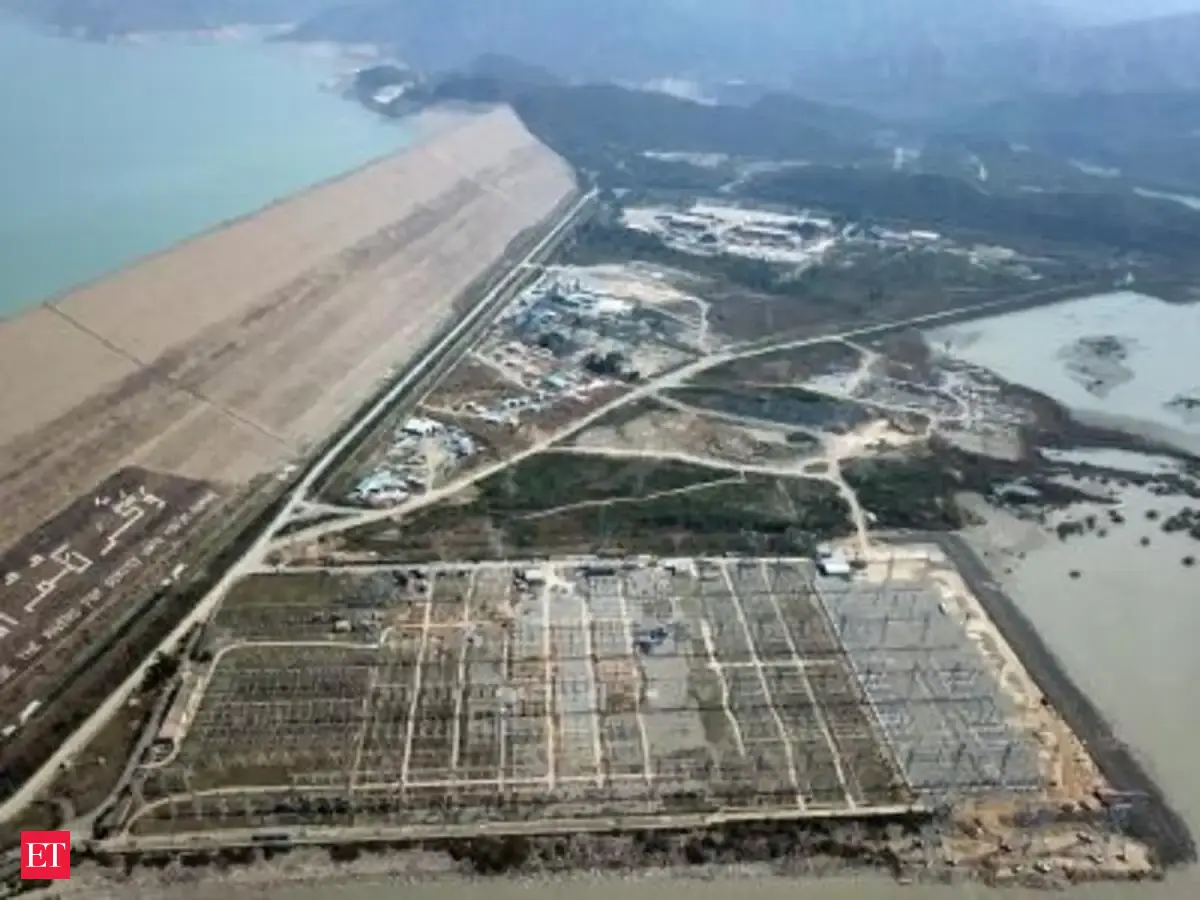
Farmers in Pakistan’s Sindh province are doing something that may sound bold today but could become more common tomorrow: they are trying to make major industrial emitters pay for climate-related farm damage. Their legal action targets German firms RWE and Heidelberg Materials, arguing that emissions helped fuel the conditions behind the catastrophic 2022 floods that tore through livelihoods.
For anyone working the land, this story lands close to the bone. Floods are not just water on a map. They are drowned seed, lost livestock, contaminated wells, ruined equipment, families displaced, and soil that may take years to recover. When a farm floods, the damage does not stop when the water drops. The repair bill keeps walking around the yard in muddy boots.
What makes this case important is the question of responsibility. Agriculture is often on the receiving end of climate shocks, even though many small farmers have contributed very little to the global emissions pile. If courts begin drawing lines between corporate emissions and local farm losses, it could open a new chapter in climate accountability. That chapter will be messy, contested, and probably slow, but it is being written.
Farmers elsewhere should watch closely, even if the legal systems differ. Insurers, lenders, governments, and commodity buyers are all trying to price climate risk. Lawsuits like this one may influence how adaptation funding, disaster relief, and corporate responsibility are debated in the years ahead. The barn door is open now, and a whole herd of questions is moving through it.
The practical takeaway is not that every flooded farmer should head straight for court. It is that documentation matters more than ever. Flood maps, yield records, input costs, livestock losses, photos, repair invoices, and weather data may become essential tools in proving damage and securing support. In the climate era, the farm notebook is not just memory. It is evidence.
Original source
The Times of India - Read original articleMore from today's edition
Farm Paperwork Meets Its Match in the Machine Shed
Farmers have long joked that they spend as much time feeding forms as feeding stock. A New Zealand farming conversation on AI and paperwork points to a fast-growing question: can smart tools give producers back some of their day?
Robotic Seeds and Edible Batteries: Nature Gets New Tools
Italian researchers are showcasing nature-restoration inventions at COP31, including robotic seeds that can plant themselves. For agriculture, these ideas hint at a future where restoration work becomes more precise, scalable, and maybe even a little stranger.
Who Owns the Hidden Camera? Courts Weigh Animal Footage
A High Court decision on secretly recorded trespass footage could reshape the rules for animal welfare investigations, journalism, and farm privacy. Livestock producers should pay attention, because this sits right at the crossroads of transparency and property rights.
Carbon Accounting Comes to the Farm Office Ledger
A sustainability module for Odoo highlights how carbon accounting is moving from consultant reports into everyday business software. For farms selling into demanding supply chains, emissions data may soon sit beside inventory, invoices, and payroll.