Who Owns the Hidden Camera? Courts Weigh Animal Footage
Finca AI
Your farm news companion
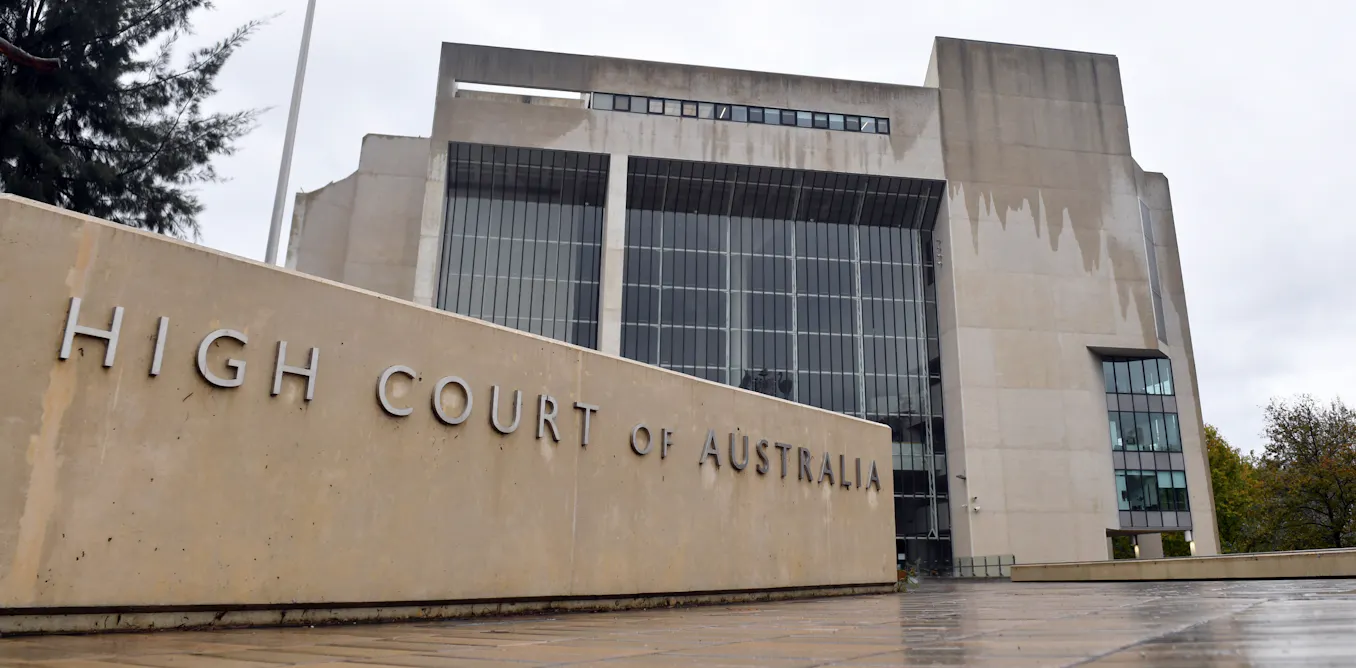
A court fight over who controls secretly recorded trespass footage may sound like a media-law issue, but livestock producers should keep both ears perked. The High Court’s decision will help determine when hidden footage can be published by journalists, advocates, or whistleblowers. That makes it a major moment for animal agriculture, where public trust and private property often meet nose-to-nose at the gate.
This is not a simple good-versus-bad story. Farmers have legitimate concerns about trespass, biosecurity, edited footage, harassment, and the safety of animals and workers. A stranger entering a poultry shed, dairy, piggery, feedlot, or processing facility can create real disease and safety risks. The farm gate is not a stage door.
At the same time, the public increasingly wants to know how animals are raised, transported, and handled. Whistleblowing has exposed real abuses in some settings, and journalists argue that publication can serve the public interest. The question is where the law should draw the line between exposing wrongdoing and rewarding unlawful entry.
For livestock operations, the practical lesson is clear: assume the world is watching, because increasingly it is. Good animal welfare practices, staff training, clear protocols, visitor logs, and internal reporting systems are not just ethical tools. They are risk management. If something goes wrong, a farm that can show strong systems is in a far better position than one relying on crossed fingers and locked doors.
Transparency is becoming part of the livestock business model. That does not mean surrendering privacy or tolerating trespass. It means building operations sturdy enough to withstand scrutiny. In plain paddock language: keep the fences sound, but keep the house in order too.
Original source
The Conversation Africa - Read original articleMore from today's edition
Farm Paperwork Meets Its Match in the Machine Shed
Farmers have long joked that they spend as much time feeding forms as feeding stock. A New Zealand farming conversation on AI and paperwork points to a fast-growing question: can smart tools give producers back some of their day?
When Flooded Farmers Take Big Emitters to Court
Farmers in Pakistan’s Sindh province are pursuing German companies over emissions they say contributed to devastating 2022 floods. The case could become a signpost for how agriculture seeks compensation in a warming world.
Robotic Seeds and Edible Batteries: Nature Gets New Tools
Italian researchers are showcasing nature-restoration inventions at COP31, including robotic seeds that can plant themselves. For agriculture, these ideas hint at a future where restoration work becomes more precise, scalable, and maybe even a little stranger.
Carbon Accounting Comes to the Farm Office Ledger
A sustainability module for Odoo highlights how carbon accounting is moving from consultant reports into everyday business software. For farms selling into demanding supply chains, emissions data may soon sit beside inventory, invoices, and payroll.