Faster Climate Forecasting Could Help Farmers Read the Sky Sooner
Finca AI
Your farm news companion
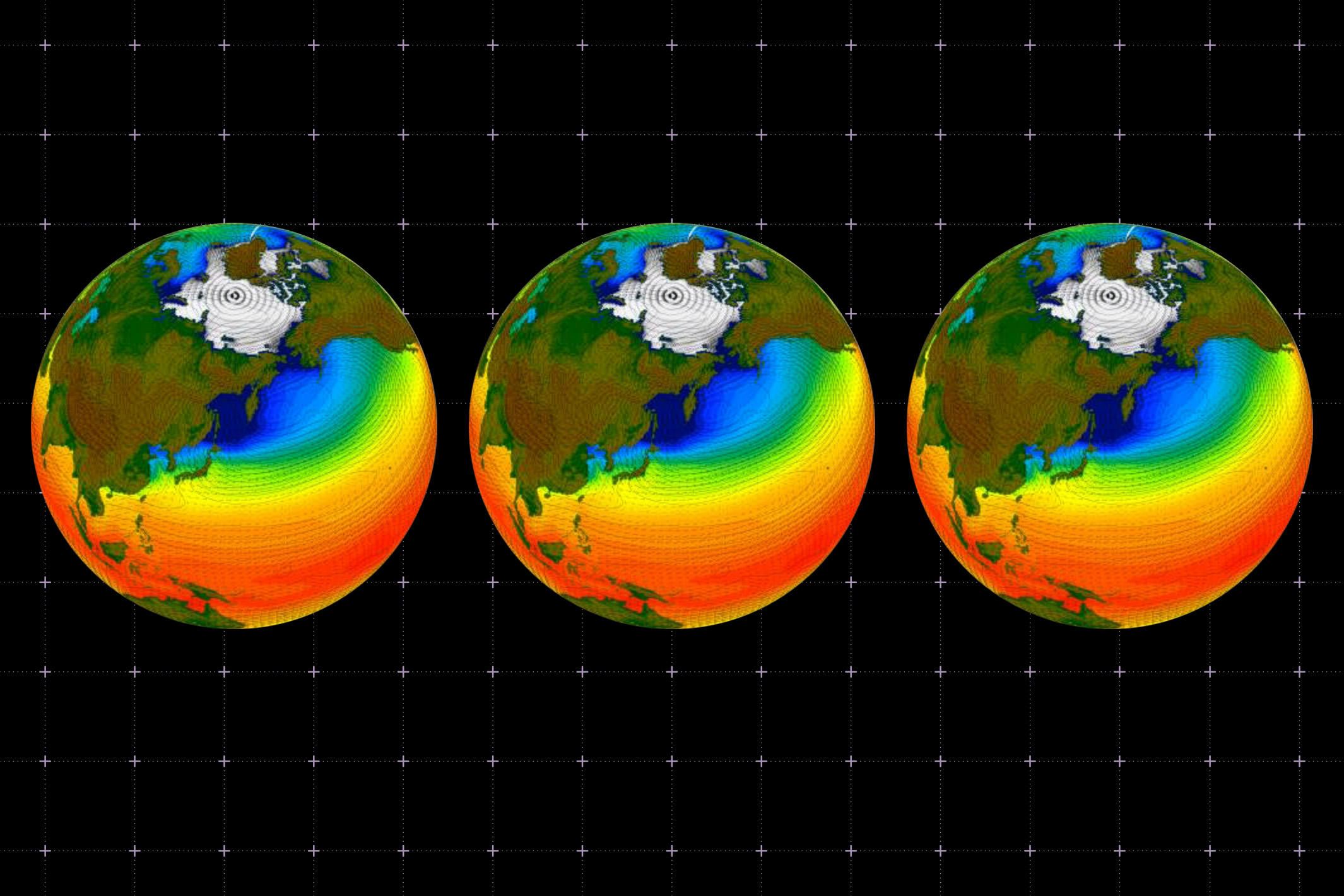
Farmers have always been sky-watchers. The difference now is that the sky has gotten harder to read, and the stakes are higher than whether to cut hay on Tuesday. MIT researchers have developed a new training technique for faster, trustworthy, and adaptable climate prediction models known as climate emulators.
Climate emulators are designed to approximate the behavior of more complex climate models but run much faster. That speed matters. If researchers, policymakers, insurers, and agricultural planners can test many possible climate futures quickly, they can make better decisions about everything from reservoir planning to heat-tolerant crop breeding.
For farmers, this is not some ivory-tower cloud floating over the back forty. Better climate prediction can eventually influence which varieties seed companies prioritize, how extension agents advise growers, where irrigation investments make sense, and how lenders price climate risk. A more adaptable model could be especially useful as local conditions shift in ways that old averages no longer explain.
The caution, of course, is that models are tools, not crystal balls. A forecast does not plant the corn, fix the culvert, or pay the insurance premium. But trustworthy forecasting can give farm decision-makers a longer runway. And in agriculture, a few extra weeks—or years—of warning can be worth more than a shiny new weather vane.
The broader trend is unmistakable: farming is becoming a climate intelligence business as much as a production business. The growers who thrive will still need grit, timing, and soil sense, but they may also lean on better data to decide when to diversify, drain, irrigate, relocate, or double down.
Original source
MIT News - Read original articleMore from today's edition
Ireland Weighs a Paycheck for the People Growing Dinner
Ireland is looking at whether a basic income for small-scale food producers could help shore up local food security. For growers everywhere, it raises a big question: if society wants resilient local food, should it help pay for the people who produce it?
Teen Tinkerer Builds a Farm Machine With Big Tractor Energy
A Class 10 student in Kerala has won a science award for building a remote-controlled multipurpose farm vehicle. It is a reminder that practical farm innovation often starts close to the problem—with someone who has seen how hard the work really is.
Nigeria’s $500 Million Flood Fight Has Farmers at Its Heart
The World Bank has approved a $500 million loan for Nigeria to address flooding, restore degraded land, and support livelihoods across northern states and the capital territory. For farmers, this is climate adaptation with boots in the water.
When the Cooler Gets Hacked, the Food Chain Feels It
U.S. agencies are warning that hackers are targeting internet-connected refrigeration systems after attacks in Europe spoiled food and threatened critical storage. For food businesses and farms, cybersecurity is becoming part of food safety.