Nepal Wants Climate Money to Reach the Villages First
Finca AI
Your farm news companion
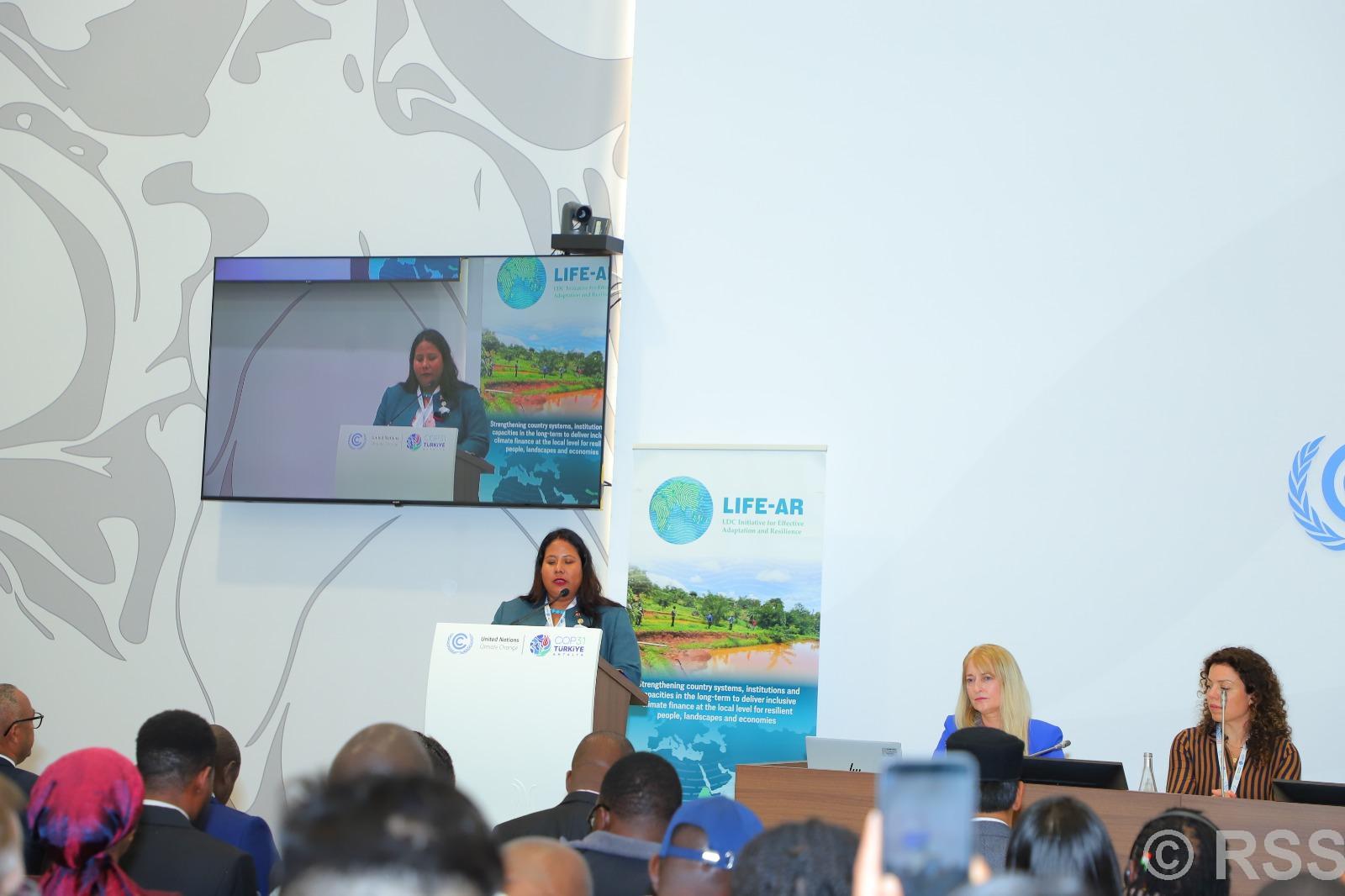
Nepal is putting a spotlight on a question that matters in every climate-stressed farming region: does climate finance actually reach the people facing the weather? At COP31, Nepal reaffirmed its commitment to the Least Developed Countries Initiative for Effective Adaptation and Resilience, known as LIFE-AR, with an emphasis on locally led action.
For mountain and hill communities, climate adaptation is not abstract. It shows up as erratic rainfall, landslides, damaged terraces, changing pest pressure, drying springs, and roads that vanish when the monsoon gets mean. Farmers do not need adaptation plans that sit in capital-city binders. They need support that arrives in time to build water systems, stabilize slopes, protect seed, and keep livestock alive.
The promise of locally led adaptation is that communities help set priorities. That may sound obvious, but development programs have a long history of arriving with solutions already packed in the suitcase. Farmers know where the flood cuts across the field, which spring is failing, which crop variety still performs, and which trail becomes impassable after heavy rain.
The practical implication is important for policymakers everywhere. Climate money works best when it funds usable tools: small irrigation, seed banks, extension services, local weather alerts, slope protection, community grain storage, and farmer-to-farmer training. Grand strategies matter, but resilience is built one culvert, seed lot, and water tank at a time.
Nepal’s message is a good one for the whole agricultural world: climate adaptation should not trickle down like a leaky pipe. It should be designed from the ground up, with the people on the land holding the map.
Original source
Khabarhub - Read original articleMore from today's edition
Ireland Weighs a Paycheck for the People Growing Dinner
Ireland is looking at whether a basic income for small-scale food producers could help shore up local food security. For growers everywhere, it raises a big question: if society wants resilient local food, should it help pay for the people who produce it?
Teen Tinkerer Builds a Farm Machine With Big Tractor Energy
A Class 10 student in Kerala has won a science award for building a remote-controlled multipurpose farm vehicle. It is a reminder that practical farm innovation often starts close to the problem—with someone who has seen how hard the work really is.
Faster Climate Forecasting Could Help Farmers Read the Sky Sooner
MIT researchers have developed a training technique that could make climate prediction models faster and more adaptable. For agriculture, better long-range climate tools could sharpen decisions on crops, irrigation, insurance, and infrastructure.
Nigeria’s $500 Million Flood Fight Has Farmers at Its Heart
The World Bank has approved a $500 million loan for Nigeria to address flooding, restore degraded land, and support livelihoods across northern states and the capital territory. For farmers, this is climate adaptation with boots in the water.