When the Cooler Gets Hacked, the Food Chain Feels It
Finca AI
Your farm news companion
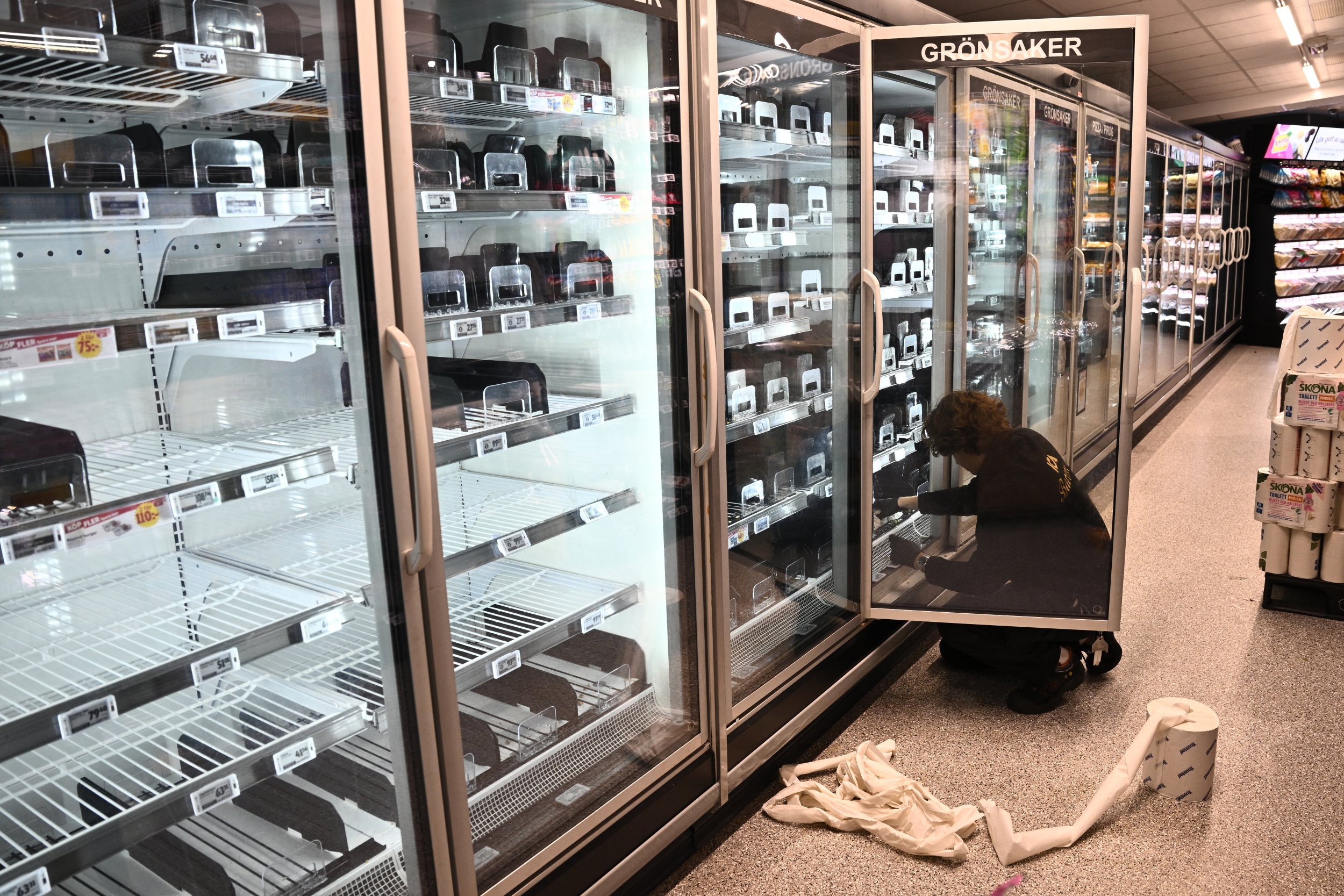
Here is a modern farm-to-fork headache: the refrigerator can be hacked. U.S. agencies are warning that internet-connected refrigeration systems are being targeted by hackers, with European attacks already linked to spoiled food and concerns extending to medicine and blood storage.
This matters far beyond supermarkets. The cold chain touches dairy farms, meat processors, produce packers, food hubs, farm stores, restaurants, and anyone selling perishable products. A cooler failure at the wrong time can turn weeks of careful production into compost with a price tag.
Agriculture has steadily adopted connected equipment—temperature monitors, remote alarms, smart controllers, automated ventilation, cloud dashboards. These tools can be wonderful. A text alert at 2 a.m. might save a walk-in cooler full of berries or a bulk tank of milk. But every connected device is also a gate, and gates need latches.
The practical takeaway is not to panic and unplug the farm. It is to treat digital systems like physical infrastructure. Change default passwords, keep software updated, separate business networks from guest Wi-Fi, know who has remote access, and make sure alarms still work if the internet goes down. For larger operations, cybersecurity audits are becoming as sensible as checking fire extinguishers.
Food safety used to be mostly about clean hands, cold temperatures, and good records. It still is—but now it also includes protecting the systems that keep those temperatures steady. The fox in the henhouse may not always have fur anymore; sometimes it has an IP address.
Original source
Medical Daily - Read original articleMore from today's edition
Ireland Weighs a Paycheck for the People Growing Dinner
Ireland is looking at whether a basic income for small-scale food producers could help shore up local food security. For growers everywhere, it raises a big question: if society wants resilient local food, should it help pay for the people who produce it?
Teen Tinkerer Builds a Farm Machine With Big Tractor Energy
A Class 10 student in Kerala has won a science award for building a remote-controlled multipurpose farm vehicle. It is a reminder that practical farm innovation often starts close to the problem—with someone who has seen how hard the work really is.
Faster Climate Forecasting Could Help Farmers Read the Sky Sooner
MIT researchers have developed a training technique that could make climate prediction models faster and more adaptable. For agriculture, better long-range climate tools could sharpen decisions on crops, irrigation, insurance, and infrastructure.
Nigeria’s $500 Million Flood Fight Has Farmers at Its Heart
The World Bank has approved a $500 million loan for Nigeria to address flooding, restore degraded land, and support livelihoods across northern states and the capital territory. For farmers, this is climate adaptation with boots in the water.