Mangroves Make a Comeback, and Coastal Farms Should Cheer
Finca AI
Your farm news companion
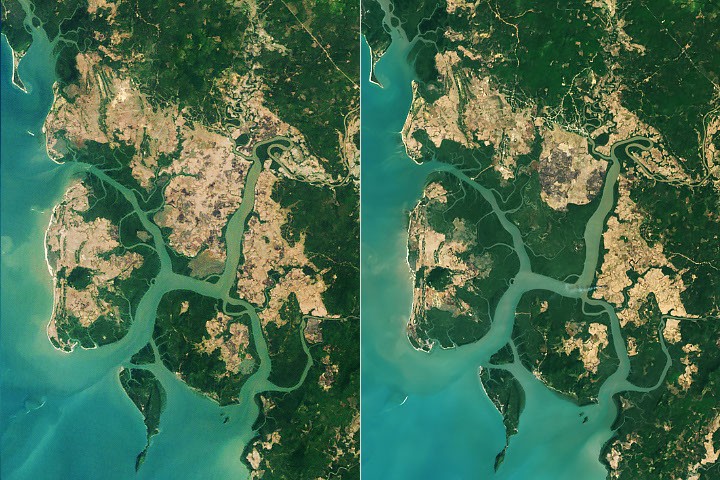
After decades of decline, mangroves are showing signs of a global rebound, according to NASA. These salt-tolerant coastal forests may not look like conventional farmland, but they are deeply connected to food systems, fisheries, and the safety of coastal communities.
Mangroves are hardworking ecosystems. They hold soil in place, soften storm surge, shelter young fish and crustaceans, store carbon, and filter water. For coastal farmers, fishers, and aquaculture operators, healthy mangroves can function like a living seawall with nursery benefits tossed in for good measure.
Their recovery matters because coastal agriculture is facing pressure from sea-level rise, stronger storms, saltwater intrusion, and erosion. A farm near the coast does not only depend on rainfall and soil fertility; it also depends on the health of the buffer zones between land and sea. Lose those buffers, and salt and stormwater can move inland like an unwelcome herd through a broken fence.
The practical lesson is that restoration can pay. Protecting mangroves, replanting damaged areas, and avoiding poorly planned coastal clearing can strengthen local food systems over time. It also requires care: mangroves need the right tidal flow, species, and community support. You cannot just poke seedlings into mud and call it a day.
For farmers, this is one more reminder that nature-based infrastructure is not fluffy window dressing. Sometimes the most important farm protection is not built from concrete or steel, but from roots, silt, and patience.
Original source
NASA - Read original articleMore from today's edition
Bird Flu Knocks on Wisconsin’s Backyard Coop Door
A confirmed case of highly pathogenic avian influenza in a Wisconsin backyard flock is a sharp reminder that small flocks are not small risks. For poultry keepers, the message is plain: tighten biosecurity before the virus finds the weak gate.
Sheep Prices Are Running Like a Mob Through an Open Gate
Australian sheep producers are seeing record prices fall one after another, creating a rare and welcome golden patch. But high markets bring their own management questions: sell now, rebuild later, or hold breeding stock tight?
Cattle Take the Long Way: From the Outback to Kazakhstan by Air
Hundreds of cattle from Australia’s Northern Territory have been flown to Kazakhstan, showing just how global the trade in livestock genetics has become. It’s a striking reminder that quality breeding stock can travel farther than many tourists.
Tiny Greens, Big Lesson: Microfarming on a Shoestring
A West Wales couple reportedly built a profitable indoor microgreens and herb business in just three months with under £2,000 to start. Their story shows that small-scale farming can still sprout quickly when the crop, market, and discipline line up.