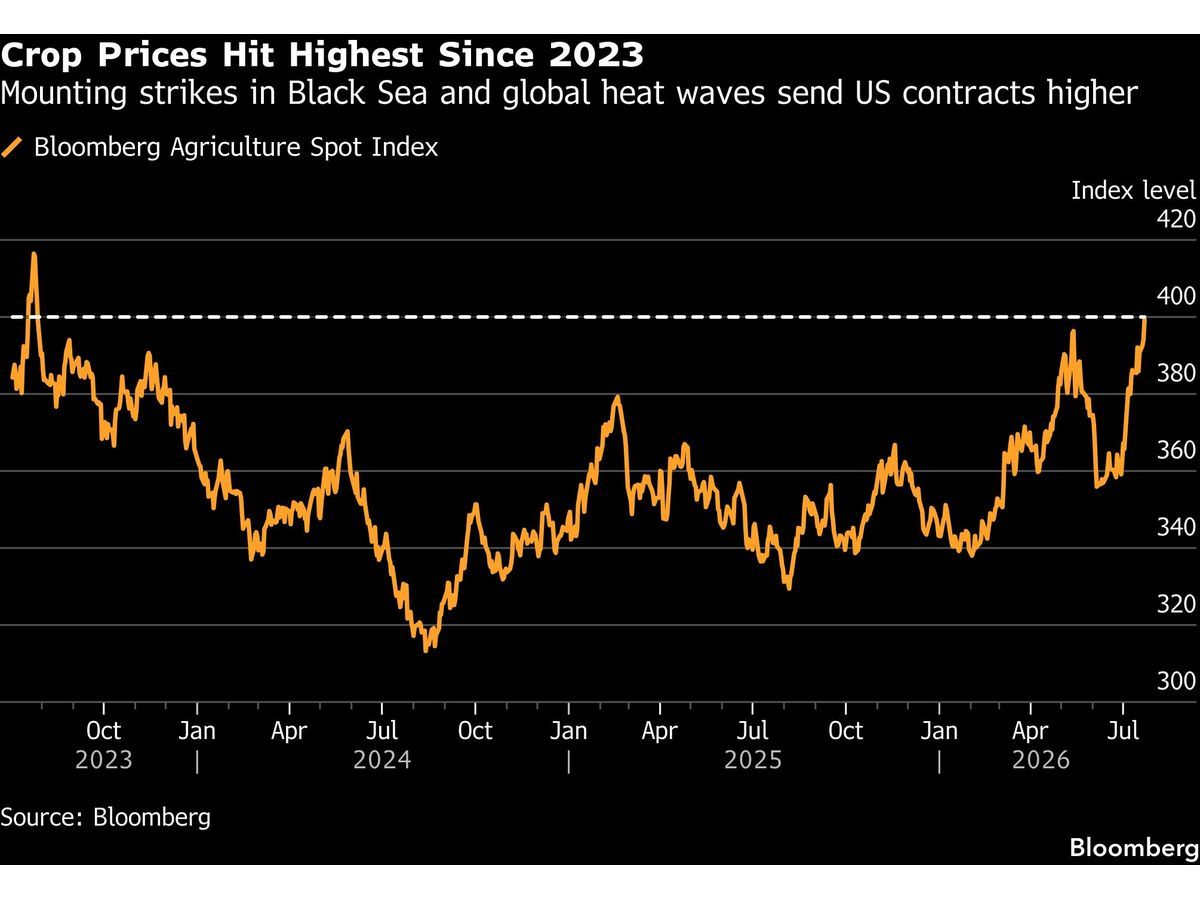
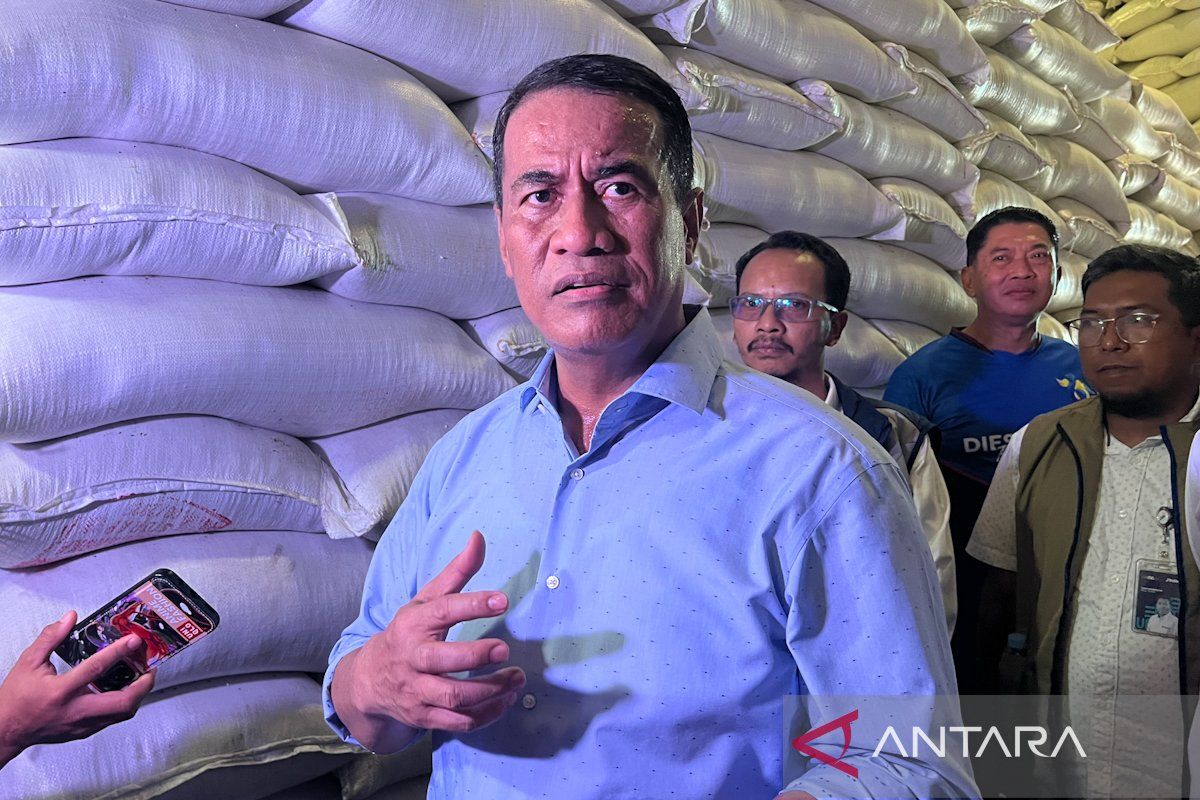
There’s a familiar pattern running through today’s farm news: pressure is building at the edges. Heat waves are tightening grain supplies, shipping chokepoints are keeping markets jumpy, and governments from Europe to Indonesia are trying to figure out how much food security they can grow at home instead of buying from somewhere else.
For livestock producers, the methane conversation is shifting from blunt carbon math toward a more species-specific approach. The European Union edging closer to New Zealand’s split-gas thinking may sound like policy paperwork, but it could shape how cattle and sheep farms are measured, taxed, rewarded, or defended in the years ahead.
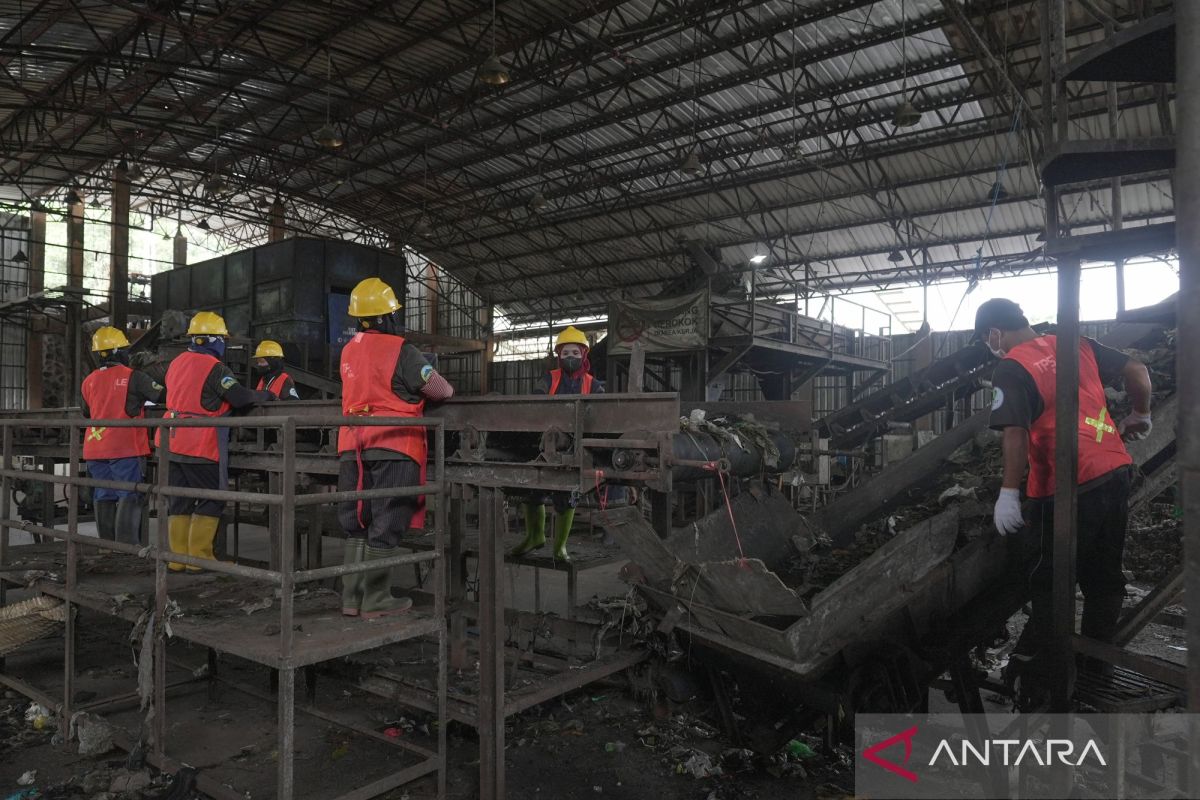
Meanwhile, the countryside is getting crowded with new demands. Data centers want land, water, and electricity. Waste-to-energy plants promise cleaner cities and new power. Agri-startups want to turn local crops into export products. The farm gate is no longer just about what leaves in a truck; it is also about who else wants a piece of rural infrastructure.
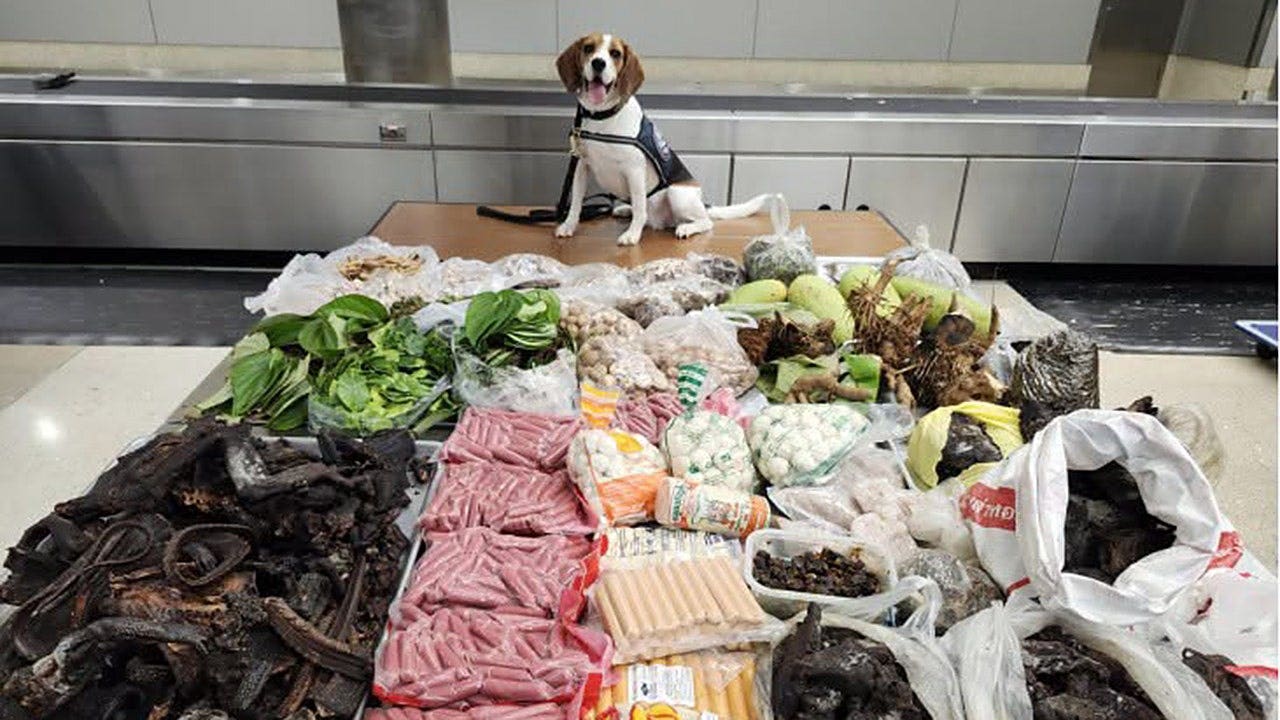
And then there are the quiet heroes: hedgerows, butterflies, citizen scientists, border dogs, and farmers trying to keep monkeys out of crops in Nepal. They remind us that farming has always been more than production. It is stewardship, observation, defense, adaptation, and, on a good day, a little wonder blooming between the office blocks.